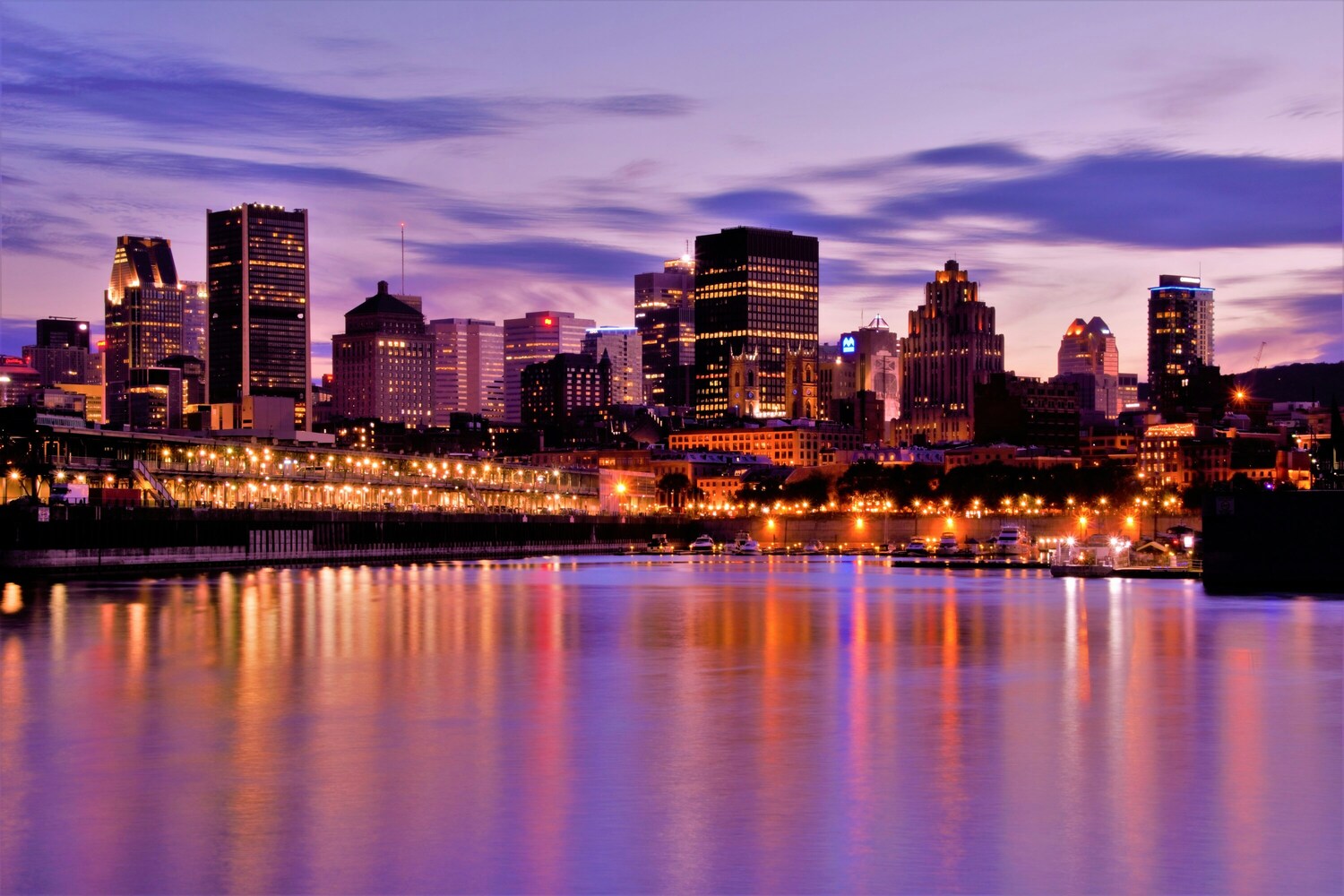
Montreal Travel Guide: Everything You Need to Know for 2026
Your complete guide to visiting Canada’s cultural capital and bilingual jewel
Table of Contents
- Montreal Overview
- Getting There & Around
- Top Attractions & Landmarks
- Neighborhoods & Districts to Explore
- Food & Dining
- Nightlife & Entertainment
- Shopping
- Seasonal Events & Festivals
- Accommodation Recommendations
- Practical Information
- Day Trips & Nearby Destinations
- Insider Tips & Hidden Gems
- Money-Saving Tips
- Common Tourist Mistakes to Avoid
- Sample Itineraries
- Frequently Asked Questions
1. Montreal Overview
Montreal is where European charm meets North American energy in the most delightful way possible. Cobblestone streets wind past centuries-old churches, while modern skyscrapers tower above vibrant neighborhoods where French and English blend seamlessly. This island city on the Saint Lawrence River pulses with creativity, from world-class street art to internationally renowned festivals that transform entire districts into celebration zones.
You should visit Montreal for its unique blend of cultures that you won’t find anywhere else in North America. Where else can you enjoy authentic French cuisine, explore underground cities, catch a Canadiens hockey game, and dance at massive music festivals all in one weekend? The city’s bilingual character creates a fascinating cultural mix, and Montrealers are famously friendly and proud to share their city with visitors.
Montreal does get very cold in winter and very hot in summer, which can challenge unprepared travelers. However, locals have adapted brilliantly with the Underground City for winter and countless outdoor terraces for summer. The city’s festival culture means that no matter when you visit, there’s likely something exciting happening.
Best Time to Visit Montreal
Spring (April-May): Spring in Montreal brings temperatures from 5°C to 18°C (41°F to 64°F), with cherry blossoms blooming in late April. Crowds are moderate and hotel prices reasonable. This is when outdoor terraces reopen and the city shakes off its winter hibernation with renewed energy. Watch for occasional rain showers and pack layers.
Summer (June-August): Peak season brings warm temperatures of 20°C to 27°C (68°F to 80°F), perfect festival weather, and the highest prices. Nearly every weekend features a major festival, from Jazz Fest to Just for Laughs. Book hotels 2-3 months ahead during festival weekends. The city explodes with outdoor dining, street performers, and endless activities, but expect crowds at major attractions.
Fall (September-October): Montreal’s best-kept secret season offers comfortable temperatures of 10°C to 20°C (50°F to 68°F), stunning fall foliage, and manageable crowds. September still feels like summer with outdoor patios open, while October brings beautiful autumn colors. Prices drop after Labour Day, and the golden light makes photography spectacular.
Winter (November-March): Temperatures plunge to -10°C to -25°C (-14°F to -13°F) with frequent snowfall. However, winter brings significantly lower hotel prices, the magical Igloofest electronic music festival, and gorgeous holiday decorations. The Underground City keeps you warm while shopping and dining. If you can handle the cold, winter Montreal offers authentic local experiences without tourist crowds.
How Long to Stay in Montreal
- 1-2 days: Just enough for Old Montreal, Mount Royal, and a smoked meat sandwich at Schwartz’s. You’ll hit the major highlights but miss the neighborhood charm and diverse food scene that makes Montreal special.
- 3-4 days: Perfect for first-time visitors to see main sights, explore 2-3 neighborhoods like Plateau Mont-Royal and Mile End, enjoy multiple great meals, and catch a festival if timing aligns. This gives you time to wander without rushing.
- 5-7 days: Ideal for deep exploration including day trips to Quebec City or the Laurentian Mountains, visiting multiple museums, experiencing the nightlife, discovering hidden neighborhoods like Little Italy and Hochelaga-Maisonneuve, and truly eating your way through the city.
- 1 week+: For food enthusiasts, festival-goers, or those wanting to live like a local. Explore every arrondissement, take cooking classes, enjoy extended day trips, visit during multiple festivals, and discover why so many people fall in love with Montreal permanently.
Quick Facts About Montreal
- Population: 1.78 million (city), 4.3 million (metro area)
- Language: French (official), English widely spoken in tourist areas and downtown
- Currency: Canadian Dollar (CAD or $)
- Time Zone: Eastern Standard Time (EST/UTC-5), Eastern Daylight Time (EDT/UTC-4)
- Country Code: +1
- Area Code: 514 and 438
2. Getting There & Around
Airports Serving Montreal
Montréal-Pierre Elliott Trudeau International Airport (YUL)
975 Romeo-Vachon Boulevard North, Dorval, QC H4Y 1H1
Located 20 km (12 miles) west of downtown, this is Montreal’s main international airport serving all major carriers including Air Canada, WestJet, American, Delta, United, and numerous international airlines. Modern facilities with excellent dining and shopping options.
Montréal-St-Hubert Longueuil Airport (YHU)
8500 Route de l’Aéroport, Saint-Hubert, QC J3Y 8Y9
Located 15 km southeast of downtown, this smaller airport primarily serves Porter Airlines and some charter flights. Less crowded but fewer flight options and connections.
[AFFILIATE LINK: Find cheap flights to Montreal – Skyscanner/Expedia]
Getting from Airport to City Center
Public Transport (Bus + Metro): $11 CAD per person, 45-60 minutes. Take the 747 Express Bus from YUL directly to downtown, running 24/7 every 8-30 minutes. Stops at major hotels and connects to metro stations. Buy tickets at airport kiosks or with exact change on board.
Taxi: $45 CAD flat rate to downtown, 25-40 minutes depending on traffic. Official taxis have white license plates. Pay by card or cash. Queue at designated taxi stands outside arrivals.
Rideshare (Uber): $35-55 CAD, 25-40 minutes. Request from designated rideshare pickup zones. Prices surge during peak times and can exceed taxi rates during rush hour.
Private Transfer: $60-90 CAD, direct to your hotel door. Book through your hotel or online services. Best for groups or travelers with lots of luggage.
[AFFILIATE LINK: Book airport transfers to Montreal – GetYourGuide/Viator]
Getting Around Montreal
Montreal’s public transportation system (STM) is excellent, clean, safe, and affordable. The metro consists of 4 color-coded lines reaching most tourist areas, while buses fill the gaps. Downtown and Old Montreal are very walkable, and the city has over 700 km of bike paths. Most visitors find they rarely need taxis except late at night.
Metro/Subway System
The Montreal Metro has 68 stations across 4 lines (Orange, Green, Yellow, Blue) covering 71 km. Trains run every 3-10 minutes depending on time of day. Hours are 5:30am to 12:30am weekdays, 5:30am to 1:00am Fridays, 5:30am to 1:30am Saturdays, 5:30am to 12:30am Sundays. The system is easy to navigate with clear signage in French and English.
Tickets & Passes:
- Single ride: $3.75 CAD (90 minutes validity, can transfer between bus and metro)
- 2 trips: $6.50 CAD
- 10 trips: $31 CAD
- 24-hour unlimited: $11 CAD
- 3-day unlimited: $21.25 CAD
- Weekend unlimited: $14.50 CAD (Friday 4pm to Monday 5am)
- Weekly unlimited: $30.25 CAD (Monday to Sunday)
Buy tickets at metro station vending machines (accept cash and cards), at authorized retailers, or via the STM mobile app. Always keep your ticket or pass until you exit the station, as inspectors regularly check.
Buses & Trams
Montreal’s bus network covers areas the metro doesn’t reach, including Mount Royal and some residential neighborhoods. Buses run less frequently than the metro but use the same tickets and passes. The same 90-minute transfer rules apply. Bus stops display route numbers and you can pay exact fare in cash when boarding.
Taxis & Rideshare
Official Montreal taxis have orange license plates and illuminated roof signs. Flag fall is $3.50, then $1.70 per km. Credit cards accepted in most taxis. You can hail them on the street or find them at taxi stands near major hotels and attractions.
Uber operates throughout Montreal with standard UberX, Uber Comfort, and UberXL options. Prices are generally comparable to taxis except during surge pricing. Lyft is not available in Montreal.
Walking
Downtown Montreal is extremely walkable with wide sidewalks and pedestrian-friendly design. Old Montreal to downtown is about 2 km (a pleasant 25-minute walk). The Plateau and Mile End neighborhoods are also walkable from downtown in 30-40 minutes. The city is relatively flat except for Mount Royal. Sidewalks are well-maintained in summer but can be icy in winter.
Walkability Score: 85/100 for downtown and central neighborhoods. Old Montreal, downtown, Plateau, Mile End, and Gay Village are all easily walkable and connected.
Biking
Montreal is one of North America’s best biking cities with extensive protected bike lanes and the BIXI bike-share program. The city is flat except for Mount Royal, making cycling easy. BIXI has 800+ stations with 10,000+ bikes available April to November. One-way trips cost $1.25, day passes are $5.50, and monthly passes $20.50. Download the BIXI app to locate stations and bikes.
Tourist Passes & Cards
Montreal Museum Pass: $85 CAD for 3 consecutive days, includes entry to 41 museums plus unlimited public transit. Worth it if you plan to visit 3+ museums. Available online or at participating museums and tourist offices.
All-Access Montreal Card: Varies by duration, includes attractions, tours, and transit. Research current offerings as these change seasonally.
[DISPLAY AD PLACEHOLDER #1]
3. Top Attractions & Landmarks
[AFFILIATE LINK: Book skip-the-line tickets for Montreal attractions – GetYourGuide/Viator]
Old Montreal (Vieux-Montréal)
Bounded by McGill Street, Saint Antoine Street, Berri Street and the Old Port, Montreal, QC H2Y
Old Montreal is the historic heart of the city where Montreal was founded in 1642. Cobblestone streets wind between 17th and 18th-century buildings housing galleries, restaurants, and boutiques. The architecture showcases stunning French colonial, Victorian, and Art Deco styles. You’ll find street performers, horse-drawn carriages, and an atmosphere that feels transported from Europe.
Place Jacques-Cartier is the central square buzzing with outdoor cafes and flower vendors. Rue Saint-Paul is lined with art galleries and antique shops, while the Old Port waterfront offers walking paths along the Saint Lawrence River. The district is compact and entirely walkable, creating an enchanting neighborhood perfect for wandering.
Why visit: This is Montreal’s most photogenic area and gives you the European experience without crossing the ocean. You’ll soak in centuries of history while enjoying modern amenities. It’s particularly magical at night when historic buildings are illuminated and romantic restaurants fill with candlelight.
Entrance: Free to walk around (individual attractions have separate fees)
Best time: Early morning (8-10am) for photos without crowds, evening for dining and atmosphere
Hours: Public streets accessible 24/7, shops/restaurants vary
Notre-Dame Basilica
110 Notre-Dame Street West, Montreal, QC H2Y 1T2
Notre-Dame Basilica is one of North America’s most spectacular churches, built in 1829 in Gothic Revival style. The interior explodes with color featuring deep blue ceilings scattered with golden stars, intricate wood carvings, and stunning stained glass depicting Montreal’s history rather than biblical scenes. The grand altar and pipe organ containing 7,000 pipes dominate the space with breathtaking beauty.
The basilica can accommodate 4,000 people and features a chapel behind the main altar dedicated to the Sacred Heart, used for intimate ceremonies. The sound and light show “AURA” transforms the space into an immersive experience combining music, video projections, and architectural lighting. Céline Dion was married here in 1994, giving you an idea of its prestige.
Why visit: This architectural masterpiece showcases Montreal’s religious heritage and artistic excellence. The vibrant colors and intricate details create an unforgettable visual experience. Even non-religious visitors are moved by the space’s beauty and peaceful atmosphere.
Entrance: $15 CAD adults, $12 CAD seniors/students, $8 CAD ages 7-17, free under 7; AURA show $33 CAD adults, $25 CAD ages 6-17
Best time: Weekday mornings (9-11am) for fewer crowds, evening for AURA experience
Hours: Monday-Friday 9am-4:30pm, Saturday 9am-4pm, Sunday 12:30pm-4pm (closed during services)
Mount Royal Park (Parc du Mont-Royal)
1260 Remembrance Road, Montreal, QC H3H 1A2
Mount Royal is Montreal’s green lung and the mountain the city is named after, designed by Frederick Law Olmsted who created New York’s Central Park. This 470-acre park offers hiking trails, scenic lookouts, and a peaceful escape from urban energy. The park’s summit rises 233 meters above the city, providing spectacular 360-degree views of Montreal, the Saint Lawrence River, and surrounding mountains.
Kondiaronk Belvedere is the main lookout platform where you’ll find the iconic Montreal skyline view seen in countless photos. The park features Beaver Lake for summer paddle boating and winter ice skating, walking paths through forests, and hidden staircases leading to secret viewpoints. Thousands of steps connect different park areas, creating an urban hiking experience.
Why visit: This is THE view of Montreal that defines the city’s skyline. You’ll understand Montreal’s geography and layout from above while enjoying nature in the city’s heart. Locals use this park daily for exercise, picnics, and tam-tam drum circles, giving you authentic Montreal culture.
Entrance: Free
Best time: Sunset for photography, Sunday afternoons for tam-tam gatherings, autumn for foliage
Hours: Open 24/7, visitor chalet 9am-5pm
Old Port of Montreal (Vieux-Port)
333 Rue de la Commune West, Montreal, QC H2Y 2E2
The Old Port transformed from working harbor to recreational waterfront spanning 2.5 km along the Saint Lawrence River. This linear park offers walking and biking paths, outdoor activities, seasonal festivals, and stunning river views. Historic warehouses now house museums, markets, and restaurants, while the boardwalk connects multiple piers extending into the water.
Summer brings urban beaches, zip-lining, giant Ferris wheel (La Grande Roue), and paddle boat rentals. Winter transforms the space into ice skating on Natrel Rink and winter village markets. The Montreal Science Centre anchors the western end while the Clock Tower marks the eastern boundary. Free summer concerts and movie screenings happen regularly on the waterfront.
Why visit: This waterfront shows modern Montreal at play with activities for all ages and seasons. You’ll get river breezes, skyline views, and people-watching opportunities. It connects seamlessly with Old Montreal, making it easy to combine historical sightseeing with outdoor recreation.
Entrance: Free to access, individual activities have separate fees ($10-40 CAD each)
Best time: Sunset for photography, summer weekends for energy and activities, winter evenings for skating
Hours: Boardwalk open 24/7, attractions typically 10am-10pm in summer, shorter in winter
Montreal Museum of Fine Arts (MBAM)
1380 Sherbrooke Street West, Montreal, QC H3G 1J5
The Montreal Museum of Fine Arts is Canada’s oldest art institution, founded in 1860, now spreading across five pavilions connected by underground tunnels. The collection contains over 45,000 works spanning ancient civilizations to contemporary art, including exceptional Canadian, European, and Indigenous collections. Special exhibitions bring world-class traveling shows featuring artists from Picasso to contemporary masters.
The museum’s architecture itself is worth seeing, combining historic Beaux-Arts buildings with stunning modern additions featuring glass and white marble. The permanent collection includes decorative arts, furniture, fashion, and an entire pavilion dedicated to world cultures. Interactive exhibits and artist studios make art accessible rather than intimidating.
Why visit: This world-class museum rivals institutions in much larger cities, offering cultural depth beyond Montreal’s party reputation. You’ll discover unexpected treasures from Inuit art to ancient artifacts. The variety means everyone finds something that speaks to them, whether Renaissance paintings or contemporary installations.
Entrance: $26 CAD adults, $16 CAD seniors/students, free ages 21 and under for permanent collection; special exhibitions additional $10-25 CAD
Best time: Weekday mornings (10am-12pm) for quieter galleries, Wednesday evenings for late hours
Hours: Tuesday-Friday 10am-5pm, Wednesday until 9pm, Saturday-Sunday 10am-5pm, closed Monday
[DISPLAY AD PLACEHOLDER #2]
Saint Joseph’s Oratory
3800 Queen Mary Road, Montreal, QC H3V 1H6
Saint Joseph’s Oratory is the largest church in Canada, sitting atop Mount Royal’s northern slope with its distinctive copper dome visible across the city. Brother André founded this pilgrimage site in 1904, and it now attracts millions of visitors annually. The massive basilica combines Renaissance and Art Deco styles, featuring a soaring interior that can hold 10,000 people.
The dome rises 97 meters high, making it one of the world’s largest church domes. Inside, you’ll find stunning stained glass, a massive pipe organ with 5,811 pipes, and the Museum of St. Joseph’s Oratory displaying religious artifacts. The site includes beautiful gardens, a Way of the Cross outdoor sculpture trail, and panoramic city views from the terrace.
Why visit: This architectural and spiritual masterpiece offers a different perspective of Montreal from its mountainside perch. The views alone justify the visit, even for non-religious travelers. The peaceful gardens and grand interior provide contemplative beauty that contrasts with the city’s vibrant energy.
Entrance: Free (donations appreciated), museum $5 CAD adults, $3 CAD seniors/students
Best time: Weekday mornings for peaceful visits, sunset for views
Hours: Oratory 6am-9pm daily, museum 10am-5pm, shops 9am-6pm
Jean-Talon Market (Marché Jean-Talon)
7070 Henri-Julien Avenue, Montreal, QC H2S 3S3
Jean-Talon Market is Montreal’s largest public market and one of North America’s premier farmers markets, operating year-round since 1933. This covered market in Little Italy bursts with fresh produce from Quebec farms, artisanal cheeses, baked goods, flowers, and specialty foods. The atmosphere is authentically local with vendors chatting in French, Italian, and English as they sell their wares.
Summer brings incredible abundance with heirloom tomatoes, Quebec strawberries, local honey, and fresh herbs piled high on stands. Surrounding the central market building, specialty shops sell maple products, imported cheeses, spices, and prepared foods. The area has become a culinary destination with excellent restaurants and cafes nearby.
Why visit: This market immerses you in Montreal’s food culture and shows you how locals shop and eat. You’ll taste Quebec specialties, interact with farmers and producers, and assemble an amazing picnic. It’s where Montreal’s celebrated food scene begins, with chefs shopping here daily.
Entrance: Free
Best time: Saturday mornings (8-10am) for full selection before crowds, avoid Monday when many vendors are closed
Hours: Monday-Wednesday 7am-6pm, Thursday-Friday 7am-7pm, Saturday-Sunday 7am-5pm (winter hours shorter)
Biodome de Montreal
4777 Pierre-De Coubertin Avenue, Montreal, QC H1V 1B3
The Montreal Biodome houses five ecosystems of the Americas under one roof in a reimagined Olympic velodrome from the 1976 Games. You’ll journey from Tropical Rainforest to Gulf of St. Lawrence, experiencing authentic environments with 4,800 animals and 500 plant species. Each ecosystem maintains proper temperature, humidity, and lighting to recreate natural habitats where animals roam freely.
The immersive design eliminates visible barriers, making you feel transported into actual rainforests, Laurentian forests, Labrador coast, and subpolar regions. Lynx, beavers, penguins, tropical birds, and fish swim past as you walk through their habitats. The recently renovated facility uses cutting-edge sustainable technology and offers interactive educational experiences.
Why visit: This unique attraction offers year-round nature experiences regardless of Montreal’s weather. Families love watching penguins and exploring tropical environments in winter. The biodiversity education and conservation message creates meaningful learning experiences beyond typical zoos.
Entrance: $22.75 CAD adults, $21 CAD seniors, $11.25 CAD ages 5-17, free under 5; Space for Life passport (includes Botanical Garden, Insectarium, Planetarium) $45 CAD
Best time: Weekday mornings (10am-12pm) for active animals and smaller crowds, winter for indoor tropical escape
Hours: Daily 9am-5pm (varies seasonally)
Underground City (RESO)
Multiple entrances throughout downtown, main hubs: Place Ville Marie, Complexe Desjardins, Montreal Eaton Centre
Montreal’s Underground City is actually a vast network of climate-controlled tunnels connecting metro stations, shopping centers, hotels, offices, and attractions across 33 km (20 miles) of pedestrian passages. Over 500,000 people use this subterranean network daily, especially during harsh winters and hot summers. The system links more than 120 exterior access points throughout downtown.
You’ll find over 1,700 shops, 200 restaurants, cinemas, museums, universities, and even apartment buildings connected underground. Each section has distinct character from upscale Place Ville Marie boutiques to the food court at Montreal Eaton Centre. Navigation can be confusing with multiple levels and corridors, but that’s part of the adventure.
Why visit: This uniquely Montreal experience shows how locals adapt to extreme weather while creating vibrant underground neighborhoods. You can walk from Old Montreal to McGill University entirely indoors, a genuine thrill during February blizzards. It’s practical and fascinating to explore this parallel city beneath the streets.
Entrance: Free
Best time: Weekdays 11am-2pm for lunch crowds and people-watching, winter for necessity
Hours: Generally 6am-midnight (individual shops and restaurants vary)
Montreal Botanical Garden (Jardin botanique)
4101 Sherbrooke Street East, Montreal, QC H1X 2B2
The Montreal Botanical Garden spreads across 75 hectares (185 acres) with 22,000 plant species and 30 thematic gardens, making it one of the world’s largest and most beautiful botanical gardens. Founded in 1931, the gardens showcase plants from every continent with spectacular seasonal displays. The Japanese Garden and Chinese Garden are among the best examples outside Asia.
Ten exhibition greenhouses remain open year-round displaying tropical plants, orchids, and seasonal shows. Outdoor gardens peak in different seasons from spring tulips to summer roses to autumn chrysanthemum displays. The First Nations Garden honors Indigenous botanical knowledge and traditional plant uses. Art installations and sculptures enhance natural beauty throughout the grounds.
Why visit: This peaceful oasis offers respite from urban energy with world-class horticultural displays that rival famous European gardens. Each season brings different highlights, making it worthwhile year-round. Garden enthusiasts and photographers find endless inspiration among themed spaces and cultivated beauty.
Entrance: $22.75 CAD adults, $21 CAD seniors, $11.25 CAD ages 5-17, free under 5; Space for Life passport $45 CAD
Best time: May for tulips and flowering trees, June-August for roses, September for autumn colors, December-February for greenhouse escapes
Hours: Summer 9am-6pm, fall/spring 9am-5pm, winter 9am-5pm (outdoor gardens close seasonally)
Olympic Stadium and Tower
4545 Pierre-De Coubertin Avenue, Montreal, QC H1V 0B2
Olympic Stadium is Montreal’s most recognizable landmark, built for the 1976 Summer Olympics with distinctive elliptical design and 175-meter inclined tower. The tower is the world’s tallest inclined structure, leaning at a 45-degree angle and offering panoramic views from the observation deck accessed by cable car. The stadium itself seats 56,000 for major events and houses a sports museum.
The futuristic architecture was controversial and over-budget but created an iconic silhouette defining Montreal’s skyline. The observation deck provides 360-degree views across the city, river, and mountains. The Sports Museum chronicles Olympic history and Montreal’s athletic heritage with interactive exhibits and artifacts from the 1976 Games.
Why visit: The tower observation deck offers Montreal’s highest accessible viewpoint with unmatched city panoramas. You’ll appreciate the city’s island geography, see all neighborhoods laid out below, and understand Montreal’s relationship with the Saint Lawrence River. The architectural ambition represents Montreal’s bold modernist period.
Entrance: Tower $25 CAD adults, $23 CAD seniors, $12.50 CAD ages 5-17; Stadium + museum tours $11 CAD adults
Best time: Clear weather days for maximum visibility, sunset for photography
Hours: Tower Monday-Friday 9am-5pm, Saturday-Sunday 9am-6pm (summer), reduced winter hours
Pointe-à-Callière Museum (Montreal Museum of Archaeology and History)
350 Place Royale, Montreal, QC H2Y 3Y5
Pointe-à-Callière is built on the exact spot where Montreal was founded in 1642, incorporating actual archaeological ruins into the museum structure. The underground exhibition takes you through layers of history with authentic 18th-century stone foundations, sewers, and artifacts discovered during excavations. Modern architecture combines with historical remains to create unique immersive experiences.
The museum chronicles Montreal’s evolution from Indigenous settlement through French colonial period to modern metropolis. Interactive displays, multimedia presentations, and hands-on exhibits bring 1,000 years of history alive. The rooftop terrace offers Old Montreal and waterfront views while you contemplate the city’s transformation from the exact birthplace location.
Why visit: This is Montreal’s origin story told through actual artifacts and ruins beneath your feet. You’ll walk through authentic historical layers that exist nowhere else. Understanding Montreal’s founding helps contextualize everything else you see in the city, making historical neighborhoods more meaningful.
Entrance: $25 CAD adults, $23 CAD seniors, $17 CAD students, $8.50 CAD ages 6-17, free under 6
Best time: Weekday afternoons (1-4pm) for smaller crowds
Hours: Tuesday-Friday 10am-5pm, Saturday-Sunday 11am-5pm, closed Monday (summer hours extended)
4. Neighborhoods & Districts to Explore
Montreal’s neighborhoods each have distinct personalities shaped by different immigrant communities, historical development, and local culture. The city’s bilingual nature creates fascinating cultural blends where European elegance meets North American energy. Exploring different arrondissements shows you Montreal’s incredible diversity beyond downtown tourist areas.
Plateau Mont-Royal (The Plateau)
Character: The Plateau is Montreal’s hipster heart with colorful row houses, winding outdoor staircases, tree-lined streets, and vibrant arts scene. Murals cover walls, vintage shops line Mont-Royal Avenue, and sidewalk cafes buzz with French conversations. This is quintessential Montreal where locals live, work, and play in stylish bohemian comfort.
What makes it special: This neighborhood showcases Montreal’s residential beauty with iconic architecture including triplexes with exterior staircases painted in bold colors. You’ll find the city’s best independent shops, record stores, bookstores, and brunch spots. The creative energy is palpable with street musicians, poets, and artists everywhere.
Best for: Young travelers, culture seekers, foodies, shoppers, Instagram photographers, anyone wanting to see where Montrealers actually live and socialize
Must-see in this area: Mont-Royal Avenue for shopping and dining, Square Saint-Louis park, Duluth Street for BYOB restaurants, colorful residential streets around Rue Rachel, La Fontaine Park
How to get there: Mont-Royal or Sherbrooke metro stations, or walk 20 minutes northeast from downtown
Location: Bounded roughly by Sherbrooke Street, Mont-Royal Avenue, Avenue Papineau, and Avenue du Parc, Montreal, QC
Mile End
Character: Mile End is the creative soul of Montreal where artists, musicians, and writers mingle in cafes and independent galleries. The neighborhood has a literary and musical heritage (Arcade Fire formed here) combined with authentic Jewish and Greek communities. Brick buildings house music venues, vintage shops, and some of Montreal’s best bagel shops.
What makes it special: Mile End seamlessly blends different cultures with Hasidic Jewish families, Greek restaurants, Portuguese bakeries, and hipster coffee shops coexisting harmoniously. St-Viateur and Fairmount bagel shops have competed here since the 1950s. The streets are quieter than the Plateau but equally charming with local character.
Best for: Foodies, music lovers, book enthusiasts, those seeking authentic neighborhood vibes, bagel pilgrims, indie culture fans
Must-see in this area: St-Viateur Bagel and Fairmount Bagel (try both and pick a side), Bernard Avenue shops and cafes, Saint Lawrence Boulevard (The Main), Drawn & Quarterly bookstore, vintage clothing on Saint Laurent Boulevard
How to get there: Laurier or Rosemont metro stations, 10-minute walk from Mont-Royal metro
Location: Bounded by Avenue du Parc, Avenue Henri-Julien, Rue Saint-Viateur, and Van Horne Avenue, Montreal, QC
Old Montreal (Vieux-Montréal)
Character: Historic, romantic, European in atmosphere with cobblestone streets, horse-drawn carriages, street performers, and buildings dating to the 1600s-1800s. This is Montreal’s most touristy neighborhood but also its most historically significant and photogenic.
What makes it special: Walking these streets feels like stepping into 18th-century France with authentic colonial architecture preserved beautifully. The waterfront location along the Saint Lawrence provides beautiful promenades. Art galleries, museums, and upscale restaurants occupy heritage buildings, creating elegant sophistication.
Best for: History buffs, couples, photographers, first-time visitors, architecture lovers, anyone wanting classic Montreal postcard experiences
Must-see in this area: Notre-Dame Basilica, Place Jacques-Cartier, Rue Saint-Paul galleries and shops, Old Port waterfront, Bonsecours Market, City Hall, Place d’Armes
How to get there: Place-d’Armes, Champ-de-Mars, or Square-Victoria metro stations
Location: Bounded by McGill Street, Saint Antoine Street, Berri Street, and the Saint Lawrence River, Montreal, QC H2Y
Gay Village (Le Village)
Character: North America’s largest gay village bursts with rainbow flags, flamboyant energy, nightclubs, drag shows, and vibrant street life. Sainte-Catherine Street becomes a pedestrian zone in summer with overhead ball decorations creating a festive canopy. The neighborhood celebrates diversity with pride and creativity year-round.
What makes it special: Montreal’s reputation as an LGBTQ+ friendly city centers here where rainbow crosswalks and public art celebrate queer culture. The nightlife is legendary with clubs staying open until sunrise. Even during daytime, the neighborhood has welcoming cafes, bookstores, and community spaces. Pride celebrations here are massive and joyful.
Best for: LGBTQ+ travelers, nightlife seekers, party enthusiasts, anyone who appreciates inclusive and celebratory atmospheres, festival-goers
Must-see in this area: Sainte-Catherine Street pedestrian zone, rainbow crosswalks and public art, Club Unity and other nightclubs, drag show venues, l’Amère à Boire brewery
How to get there: Beaudry metro station (rainbow-themed) or Papineau metro
Location: Sainte-Catherine Street East between Rue Saint-Hubert and Avenue Papineau, Montreal, QC
Little Italy (La Petite-Italie)
Character: Authentic Italian neighborhood where espresso flows freely, elderly Italian men play bocce in parks, and the aroma of fresh pasta and pizza fills the air. Red, white, and green flags decorate streets, and Italian is spoken as commonly as French. This is residential Montreal with genuine community feeling.
What makes it special: Jean-Talon Market anchors the neighborhood as Montreal’s premier food destination. Family-run Italian cafes, pasticcerias, and restaurants have operated for generations. The neighborhood comes alive during soccer matches when entire streets fill with celebrating fans. It’s less touristy than other areas, giving authentic local experiences.
Best for: Food lovers, market shoppers, families, those seeking authentic ethnic neighborhoods, coffee aficionados, soccer fans
Must-see in this area: Jean-Talon Market, Café Italia for espresso and soccer viewing, Dante Street boutiques, Madonna della Difesa Church with Mussolini fresco, Marché Mozart for Italian groceries
How to get there: Jean-Talon metro station exits directly into the market area
Location: Centered around Boulevard Saint-Laurent and Rue Jean-Talon, Montreal, QC H2R
Downtown (Centre-Ville)
Character: Modern, business-focused during weekdays, with skyscrapers, shopping centers, museums, universities, and the Underground City network. Sainte-Catherine Street is Montreal’s main commercial artery lined with department stores and chain retailers. The energy is cosmopolitan and fast-paced.
What makes it special: Downtown combines Francophone and Anglophone Montreal with McGill University, Concordia University, major museums, and entertainment venues concentrated here. The Underground City provides climate-controlled shopping and dining. Crescent Street and Bishop Street offer restaurant rows and nightlife. This is practical Montreal for business and convenience.
Best for: Shopping enthusiasts, museum-goers, business travelers, first-time visitors wanting central locations, those seeking modern amenities and English-language comfort
Must-see in this area: Montreal Museum of Fine Arts, Sainte-Catherine Street shopping, Crescent Street restaurants and bars, McGill University campus, Place Ville Marie and Underground City, Bell Centre for hockey
How to get there: McGill, Peel, Guy-Concordia, or Place-des-Arts metro stations
Location: Bounded roughly by Sherbrooke Street, René-Lévesque Boulevard, Saint-Denis Street, and Atwater Avenue, Montreal, QC
Griffintown
Character: Montreal’s newest trendy neighborhood, transformed from industrial wasteland to sleek condo towers, rooftop bars, craft breweries, and modern restaurants. The vibe is young professional with exposed brick, industrial chic design, and contemporary energy. Development continues rapidly with new openings constantly.
What makes it special: This area shows Montreal’s modern evolution and urban renewal done well. The Lachine Canal waterfront provides beautiful walking and biking paths. Craft breweries, specialty coffee roasters, and innovative restaurants cater to discerning tastes. It’s less historic but more cutting-edge than older neighborhoods.
Best for: Young professionals, craft beer enthusiasts, modern architecture fans, cyclists, those seeking contemporary Montreal over historic charm
Must-see in this area: Lachine Canal bike path, Atwater Market, craft breweries like Dominion Square Tavern and Brasserie Harricana, Notre-Dame Street restaurants, waterfront parks
How to get there: Bonaventure, Lucien-L’Allier, or Lionel-Groulx metro stations, 15-minute walk from Old Montreal
Location: Bounded by Rue Notre-Dame West, the Lachine Canal, Rue Guy, and Rue McGill, Montreal, QC
5. Food & Dining
Montreal is one of North America’s greatest food cities where French culinary traditions meet global influences and local creativity. Montrealers are passionate about food, from smoked meat sandwiches to haute cuisine, bagels to poutine. The city’s 6,000+ restaurants represent cuisines from every continent. Breakfast is called “déjeuner,” lunch is “dîner,” and dinner is “souper” in local French usage.
Must-Try Local Dishes & Specialties
- Poutine – Quebec’s most famous dish consists of french fries topped with squeaky cheese curds and smothered in brown gravy. It originated in rural Quebec in the 1950s and has become Montreal’s unofficial comfort food. The cheese must be fresh curds that squeak when you bite them, and the gravy should be hot enough to partially melt the cheese.
- Montreal-Style Bagels – Smaller, denser, and sweeter than New York bagels, hand-rolled and boiled in honey water before baking in wood-fired ovens. The eternal debate rages between St-Viateur Bagel and Fairmount Bagel, both operating 24/7 since the 1950s. Always eaten fresh, never toasted, with cream cheese or butter.
- Smoked Meat Sandwich – Montreal’s answer to pastrami, this is beef brisket cured with secret spice blends, smoked for hours, then steamed and hand-sliced thick onto rye bread with yellow mustard. Schwartz’s Deli has perfected this since 1928. Order it “medium” for the perfect fat-to-lean ratio.
- Tourtière – Traditional French-Canadian meat pie made with ground pork, beef, or game, spiced with cinnamon, cloves, and savory herbs, baked in flaky pastry. Especially popular during Christmas season but available year-round at traditional Quebecois restaurants.
- Maple Syrup Everything – Quebec produces 70% of the world’s maple syrup, and Montreal uses it in everything from traditional sugar shack meals to craft cocktails and desserts. Try maple taffy (tire sur la neige), maple butter, maple-glazed salmon, and maple pie.
- Steamies and All-Dressed Hot Dogs – Montreal-style hot dogs are steamed (never grilled) and served in steamed buns. “All-dressed” means mustard, relish, chopped onions, coleslaw, and sometimes a sprinkle of celery salt. Pool Room and La Belle Province are classic spots.
- Pouding Chômeur – “Poor man’s pudding” is a Depression-era dessert of cake batter baked in hot maple syrup or caramel sauce, creating a gooey, sweet comfort food that’s lighter than it sounds. Found in traditional Quebecois restaurants and sugar shacks.
- Oreilles de Crisse – “Christ’s ears” are deep-fried pork rinds served at sugar shacks (cabanes à sucre) during maple syrup season. Crispy, salty, and traditionally dipped in maple syrup for a sweet-savory combination that’s addictively delicious.
Restaurant Recommendations by Budget
Budget-Friendly (Under $15 CAD per meal)
- Schwartz’s Deli – 3895 Saint Laurent Boulevard, Montreal, QC H2W 1X9 – The legendary smoked meat sandwich ($10-15) is a must-try Montreal experience. Expect lines but they move fast. Cash only, no reservations, communal seating creates authentic deli atmosphere.
- Boustan – 2020 Crescent Street, Montreal, QC H3G 2B8 – Late-night favorite serving massive shawarma platters and poutine ($10-14). Open until 4am on weekends, perfect after clubbing. The chicken shawarma poutine is legendary.
- Patati Patata – 4177 Saint Laurent Boulevard, Montreal, QC H2W 1Y7 – Tiny diner famous for excellent poutine ($8-12) and creative comfort food. Cash only, seats about 12 people, often has lines but worth the wait for quality ingredients and generous portions.
- Nouveau Palais – 281 Bernard Avenue West, Montreal, QC H2V 1T8 – Hip diner serving classic Montreal comfort food with creative twists ($12-18). The burger and fries are excellent. Hipster vibe meets authentic greasy spoon nostalgia.
- Fairmount Bagel or St-Viateur Bagel – Multiple locations – Fresh bagels cost $1-2 each, buy them by the dozen. Open 24/7, watch them being hand-rolled and baked in wood ovens. Sesame or poppy seed, always fresh and warm.
Mid-Range ($15-40 CAD per meal)
- Au Pied de Cochon – 536 Duluth Street East, Montreal, QC H2L 1A9 – Celebrity chef Martin Picard’s temple to excess serves foie gras poutine, duck in a can, and decadent French-Canadian cuisine ($25-45 per dish). Rich, heavy, unforgettable. Reservations essential weeks ahead.
- Liverpool House – 2501 Notre-Dame Street West, Montreal, QC H3J 1N4 – Cozy wine bar and restaurant from the Joe Beef team serving Italian-inspired seafood and meat dishes ($20-40). Excellent wine list, intimate atmosphere, impeccable service. Book ahead.
- Damas – 1201 Van Horne Avenue, Montreal, QC H2V 1K4 – Upscale Syrian restaurant with mezze platters, grilled meats, and gorgeous Middle Eastern flavors ($18-35). The tasting menu ($55) is exceptional value. Elegant atmosphere, perfect for special occasions.
- Maison Boulud – 1228 Sherbrooke Street West, Montreal, QC H3G 1H6 – Daniel Boulud’s Montreal outpost in the Ritz-Carlton serves French bistro classics with seasonal Quebec ingredients ($28-48). The lunch menu offers better value. Beautiful Beaux-Arts dining room.
- Larry’s – 9 Saint Paul Street East, Montreal, QC H2Y 1G2 – Popular Old Montreal spot with seafood, oysters, and creative dishes in casual-elegant setting ($22-38). Great for groups, lively atmosphere, excellent cocktails. The lobster spaghetti is famous.
Fine Dining ($40+ CAD per meal)
- Toqué! – 900 Place Jean-Paul-Riopelle, Montreal, QC H2Z 2B2 – Montreal’s most celebrated restaurant with innovative tasting menus ($125-165) showcasing Quebec terroir. Chef Normand Laprise creates sophisticated, seasonal French cuisine. Reservations required weeks ahead. Dress code enforced.
- Joe Beef – 2491 Notre-Dame Street West, Montreal, QC H3J 1N6 – Legendary restaurant serving indulgent meat and seafood dishes ($40-75) with exceptional wine list. No-reservations policy for dinner (lunch takes bookings). Arrive early to snag a table at this Montreal institution.
- Le Mousso – 1023 Ontario Street East, Montreal, QC H2L 1P8 – Modern fine dining with inventive tasting menus ($95-135) that push creative boundaries. Minimalist space lets the food shine. Wine pairings available. Reservations essential.
Food Markets & Street Food
Jean-Talon Market – 7070 Henri-Julien Avenue, Montreal, QC H2S 3S3 – Open Monday-Wednesday 7am-6pm, Thursday-Friday 7am-7pm, Saturday-Sunday 7am-5pm. Quebec’s largest public market overflows with local produce, artisanal cheeses, maple products, prepared foods, and specialty imports. Sample everything, buy picnic supplies, watch locals shop. Peak season is August-September for best produce selection.
Atwater Market – 138 Atwater Avenue, Montreal, QC H4C 2H6 – Open daily 7am-6pm (reduced winter hours). Smaller and more European in feel than Jean-Talon, specializing in flowers, meats, cheeses, and baked goods. The building’s Art Deco architecture is beautiful. Excellent butchers and fromagers. Located next to Lachine Canal bike path.
Dining Customs & Etiquette
Meal times: Breakfast 7-10am, lunch 11:30am-2pm, dinner 6-9pm (later on weekends). Montrealers dine later than Americans but earlier than Europeans.
Tipping: 15% is standard, 18-20% for excellent service. Tax is added separately (14.975% total). Many restaurants add automatic gratuity for groups of 6+. Tip on pre-tax amount.
Reservations: Essential for fine dining and popular restaurants, especially weekends. Book 1-2 weeks ahead for trendy spots, 3-4 weeks for Joe Beef and Au Pied de Cochon. Some casual places don’t take reservations.
Dress code: Montreal is generally casual but stylish. Fine dining restaurants require business casual minimum. Shorts and flip-flops are frowned upon at upscale establishments. Locals dress fashionably even for casual dining.
[AFFILIATE LINK: Book food tours in Montreal – GetYourGuide/Viator]
6. Nightlife & Entertainment
Montreal’s nightlife is legendary with bars staying open until 3am and clubs until sunrise. The city balances sophisticated cocktail lounges, dive bars, massive nightclubs, live music venues, and unique Montreal experiences like jazz clubs and comedy shows. The legal drinking age is 18, attracting American college students, but the scene caters to all ages with world-class entertainment.
Best Areas for Nightlife
- Crescent Street and Rue Bishop – Downtown Montreal, QC H3G – English-speaking bar district with pubs, sports bars, and clubs attracting McGill students and tourists. Gets rowdy on weekends, especially during hockey season. Outdoor terraces in summer create street party atmosphere.
- Saint-Laurent Boulevard (The Main) – From Sherbrooke to Mont-Royal, Montreal, QC – Montreal’s coolest nightlife strip with indie music venues, craft cocktail bars, dance clubs, and late-night restaurants. More alternative and artsy than Crescent Street. Dress well and come after 11pm.
- Gay Village – Sainte-Catherine Street East, Montreal, QC – North America’s largest gay village with inclusive nightclubs, drag shows, and dance parties. Everyone is welcome. Clubs stay packed until dawn. Most fun and accepting nightlife in the city.
- Old Montreal – Rue Saint-Paul and surrounding streets, Montreal, QC H2Y – Upscale cocktail bars, wine bars, and lounges in heritage buildings. Romantic and sophisticated, perfect for dates and mature crowds. More expensive but beautiful settings.
Bars & Pubs
- Dieu du Ciel! – 29 Laurier Avenue West, Montreal, QC H2T 2N2 – Legendary microbrewery with constantly rotating taps of innovative craft beers. The Péché Mortel (imperial coffee stout) is world-famous. Cozy atmosphere, knowledgeable staff, beer geek paradise. Always crowded but worth it.
- Big in Japan – 4175 Saint-Laurent Boulevard, Montreal, QC H2W 1Y7 – Izakaya-style bar with Japanese whisky selection, sake cocktails, and Asian-fusion bar snacks. Intimate, dimly-lit, perfect for cocktail enthusiasts. No sign outside, look for the red door.
- Burgundy Lion – 2496 Notre-Dame Street West, Montreal, QC H3J 1N5 – British-style pub with excellent beer selection, Scotch eggs, fish and chips, and proper Sunday roasts. Comfortable neighborhood vibe, great for casual drinks and elevated pub food.
- Bar Furco – 425 Mayor Street, Montreal, QC H3A 1L5 – Hip cocktail bar in Old Montreal serving creative drinks and Italian-inspired small plates. Exposed brick, candlelight, sophisticated crowd. Reservations recommended for tables.
Clubs & Dancing
- Stereo – 858 Sainte-Catherine Street East, Montreal, QC H2L 2E3 – Legendary afterhours club in Gay Village featuring world-class electronic music and state-of-the-art sound system. Opens at 2am and goes until noon Sunday. No alcohol (it’s technically an afterhours juice bar). Serious clubbers only.
- New City Gas – 950 Ottawa Street, Montreal, QC H3C 1S4 – Massive warehouse club hosting international DJs and electronic music events. Industrial space with multiple rooms, top-tier production. Cover $20-40, dress code enforced on weekends.
- Club Unity – 1171 Sainte-Catherine Street East, Montreal, QC H2L 2G5 – Two-floor gay club with drag shows, theme nights, and inclusive dance parties. Everyone welcome, always fun, great energy. Friday and Saturday peak nights.
- Tokyo Bar – 3709 Saint-Laurent Boulevard, Montreal, QC H2X 2V7 – Intimate dance club with eclectic music from funk to soul to electronic. No pretense, just good vibes and dancing. Cover $5-10, operates until 3am.
Live Music & Shows
- Upstairs Jazz Bar & Grill – 1254 Mackay Street, Montreal, QC H3G 2H4 – Intimate jazz club featuring local and international musicians nightly. Dinner and drinks available. Cover varies by performer ($10-25). Shows typically start at 8pm and 10pm.
- Club Soda – 1225 Saint-Laurent Boulevard, Montreal, QC H2X 2S6 – Mid-sized venue hosting rock, indie, electronic, and hip-hop shows. Standing room, full bar, excellent sound. Check schedule for touring acts.
- Le Quai des Brumes – 4481 Saint-Denis Street, Montreal, QC H2J 2L2 – Beloved dive bar with live music most nights, cheap beer, and unpretentious atmosphere. Rock, punk, indie bands. Small cover ($5-10), cash only.
- Théâtre Corona – 2490 Notre-Dame Street West, Montreal, QC H3J 1N5 – Beautifully restored theater hosting concerts, comedy, and cultural events. Diverse programming from indie bands to world music. 750-person capacity.
Cultural Performances
Place des Arts is Montreal’s cultural complex hosting Opéra de Montréal, Les Grands Ballets Canadiens, Orchestre Symphonique de Montréal, and touring Broadway shows. Ticket prices range from $30-200 depending on performance and seating. Book through Place des Arts box office (175 Sainte-Catherine Street West, Montreal, QC H2X 1Z8) or online. Just for Laughs year-round comedy club operates in the entertainment district with nightly shows ($20-40).
Family-Friendly Evening Entertainment
Cirque du Soleil headquarters in Montreal occasionally offers shows at their Big Top or touring performances. IMAX theater at Montreal Science Centre shows evening films. Old Port often has free evening concerts and outdoor movies in summer. Many festivals (Jazz Fest, Just for Laughs) offer free outdoor programming suitable for families.
7. Shopping
Best Shopping Districts
- Sainte-Catherine Street – Downtown Montreal, QC H3B – Montreal’s main shopping artery with department stores (Hudson’s Bay, Simons), international chains (Zara, H&M, Apple), and Montreal Eaton Centre mall. One mile of retail therapy with everything from budget to mid-range. Connected to Underground City for winter shopping comfort.
- Mont-Royal Avenue – Plateau Mont-Royal, QC H2J – Independent boutiques, vintage shops, record stores, bookstores, and local designer ateliers. Bohemian and trendy with one-of-a-kind finds. Great for clothing, jewelry, home decor, and vinyl. Walk from Mont-Royal metro.
- Old Montreal – Rue Saint-Paul – Old Montreal, QC H2Y – Art galleries, antique shops, jewelry stores, and boutique fashion in historic buildings. Upscale and touristy but quality goods. Great for Canadian art, First Nations crafts, and unique souvenirs. Premium pricing.
- Underground City (RESO) – Downtown Montreal – Climate-controlled shopping with 1,700+ stores connected by tunnels. Everything from luxury brands to food courts. Perfect for winter shopping or rainy days. Multiple shopping centers connected including Montreal Eaton Centre, Complexe Desjardins, Place Ville Marie.
Markets
Atwater Market – 138 Atwater Avenue, Montreal, QC H4C 2H6 – Wednesday-Sunday 7am-6pm, Monday-Tuesday 7am-5pm. Beautiful Art Deco building housing food vendors, butchers, cheese shops, and flower stalls. Great for gourmet gifts like Quebec cheeses, maple products, and artisanal goods. More upscale than Jean-Talon with excellent prepared foods.
Marché Bonsecours – 350 Rue Saint-Paul East, Montreal, QC H2Y 1H2 – Daily 10am-6pm (extended summer hours). Historic market building in Old Montreal now featuring Quebec artisan shops, Indigenous crafts, local designer boutiques. Higher-end souvenirs and gifts. Beautiful architecture worth seeing even if not shopping.
What to Buy – Local Products & Souvenirs
- Maple Syrup and Products – Buy authentic Quebec maple syrup in decorative bottles, maple butter, maple candies, and maple cookies. Jean-Talon Market and Atwater Market have excellent selections at fair prices ($8-25 depending on size and grade). Look for “Produit du Québec” labels to ensure it’s local.
- Indigenous Arts and Crafts – Authentic First Nations artwork including Inuit soapstone carvings, beadwork, paintings, and dreamcatchers. Marché Bonsecours and specialized galleries in Old Montreal carry certified authentic pieces ($30-5000+ depending on size and artist). Always ask for certificates of authenticity for expensive items.
- Montreal Canadiens Merchandise – Hockey jerseys, hats, and memorabilia from Canada’s most storied NHL team. Official Canadiens store at Bell Centre (1909 Avenue des Canadiens-de-Montréal) has widest selection. Prices range $25-350 for authentic gear. A Habs jersey is the quintessential Montreal souvenir.
- Local Fashion and Design – Montreal designers create unique clothing and accessories. Brands like Mackage (outerwear), Rudsak (leather goods), and Yoga Jeans originated here. Boutiques on Mont-Royal Avenue and Saint-Laurent Boulevard carry local designers ($50-500 per piece). Look for “Made in Montreal” or “Fait à Montréal” labels.
- Quebec Cheese – Quebec produces incredible artisanal cheeses. Buy at fromageries in Jean-Talon or Atwater markets. Try Oka (monastery cheese), Le Cendrillon (ash-covered goat cheese), or aged cheddars. Vacuum-sealed portions travel well ($8-20 per piece). Some vendors ship internationally.
- Craft Beer – Montreal’s craft beer scene produces excellent brews. Dieu du Ciel!, Brasseurs de Montréal, and McAuslan bottles are available at SAQ and dépanneurs (corner stores). Six-packs run $12-18. Look for Montreal-specific brews unavailable elsewhere. Note: Cannot bring alcohol across US border without declaring and paying duty.
Shopping Hours & Customs
Most stores open Monday-Wednesday 10am-6pm, Thursday-Friday 10am-9pm, Saturday 10am-5pm, Sunday noon-5pm. Major shopping streets and malls have extended hours. Boutiques in trendy neighborhoods may open later (11am or noon) and close earlier. Many stores close major holidays including Saint-Jean-Baptiste Day (June 24).
Major sales happen during Boxing Week (late December), Back to School (August), and Black Friday (November). Quebec law requires all commercial signage to be in French, so stores display “Solde” (sale) signs. Tax refund for tourists: foreign visitors can claim back Quebec sales tax (QST) on purchases over $200 by keeping receipts and filing at the airport.
8. Seasonal Events & Festivals
Montreal is festival-obsessed with major events nearly every week in summer and significant winter celebrations. The city transforms entire neighborhoods into festival zones with free outdoor performances, food vendors, and cultural programming. Festivals range from world-famous International Jazz Festival to niche celebrations attracting dedicated fans.
Annual Events Calendar
| Month/Season | Event Name | Description |
|---|---|---|
| January | Igloofest | Electronic music festival in Old Port with outdoor dancing in freezing temperatures, ice bars, and DJ competitions. Fridays-Saturdays mid-January to early February. Dress warmly and expect massive crowds of cold-weather ravers. Free and ticketed events. |
| February | Montreal en Lumière | Winter festival celebrating food, arts, and light with outdoor activities, culinary events, and nightly illuminations. Late February for 11 days. Features Nuit Blanche (all-night cultural event). Free outdoor programming plus ticketed gastronomic events ($30-150). |
| March | St. Patrick’s Day Parade | One of North America’s oldest St. Patrick’s Day parades (since 1824) through downtown Montreal. Sunday closest to March 17. Free to watch. Sainte-Catherine Street fills with green-clad celebrants and Irish pubs overflow. |
| April-May | Blue Metropolis Literary Festival | International literary festival bringing authors from 40+ countries for readings, discussions, and book signings. Late April-early May. Mix of free and ticketed events ($10-25). Headquartered at various downtown venues. |
| June | Grand Prix du Canada (F1) | Formula 1 racing at Circuit Gilles Villeneuve on Île Notre-Dame. Early June weekend. Tickets $150-1500 depending on seating. The entire city parties with themed events at bars and clubs. Book hotels 6+ months ahead. |
| June | Saint-Jean-Baptiste Day | Quebec’s national holiday (June 24) celebrating Francophone culture with concerts, bonfires, and festivities. Major free concert on Mount Royal. Fireworks, parades, parties citywide. Many businesses close. Very crowded but quintessentially Montreal. |
| June-July | International Jazz Festival | World’s largest jazz festival with 3,000+ artists and 2 million attendees over 11 days in late June-early July. Downtown transforms into pedestrian festival zone with free outdoor stages and ticketed indoor concerts ($30-150). Massive crowds but incredible atmosphere. |
| July | Just for Laughs Festival | Largest comedy festival in the world featuring stand-up, sketch comedy, and street performers. Mid-July for 2+ weeks. Mix of free outdoor shows and ticketed performances ($25-100+). International comedians and rising stars. Very popular, book ahead. |
| July-August | L’International des Feux Loto-Québec | International fireworks competition with displays every Wednesday and Saturday evenings late June-early August. Countries compete with synchronized pyrotechnics and music. Free viewing from Old Port, Jacques-Cartier Bridge, and Mount Royal. Paid seating at La Ronde amusement park ($20-40). |
| August | Osheaga Music Festival | Massive outdoor music festival on Île Sainte-Hélène featuring rock, indie, electronic, and hip-hop headliners. Early August weekend. 3-day passes $350-400, single days $130-150. Camping-festival vibe attracts 135,000 attendees. Sells out months ahead. |
| September | Pop Montreal | Indie music and arts festival showcasing emerging bands across 50+ venues. Mid-late September for 5 days. Day passes $30-50, festival passes $100-150. Discover new music in intimate club settings. Less crowded than summer festivals. |
| October | Black & Blue Festival | Massive 5-day LGBTQ+ celebration with dance parties, circuit events, and themed nights culminating in the legendary Black & Blue Ball. Mid-October. Party tickets $50-150 each. International gay community descends on Montreal. Hotels book far ahead. |
| November | Montreal International Documentary Festival | Premier documentary film festival screening 150+ films from 50 countries. Mid-November for 10 days. Individual screenings $12-15, passes $100-200. Held at various downtown cinemas. Q&As with filmmakers. |
| December | Christmas Markets | European-style Christmas markets in various locations including Atwater Market and Complexe Desjardins. Late November through December. Free admission, shop for crafts, enjoy mulled wine and seasonal treats. Holiday lights throughout Old Montreal create magical atmosphere. |
Booking Considerations During Festival Periods
Hotel prices spike 50-200% during major festivals, especially Grand Prix, Jazz Festival, Just for Laughs, and Osheaga. Book 3-6 months ahead for these events. Airbnb prices also increase but less dramatically. Metro and downtown streets become packed with festival-goers. Restaurants require reservations weeks ahead. Despite crowds and prices, festivals showcase Montreal at its most vibrant and are worth experiencing if your dates align.
9. Accommodation Recommendations
Montreal offers accommodations for every budget from luxury heritage hotels to hostels and Airbnb apartments. The hotel scene ranges from international chains downtown to boutique properties in trendy neighborhoods. Staying in residential areas like the Plateau or Mile End provides authentic Montreal experiences, while downtown offers convenience and proximity to attractions.
Best Neighborhoods to Stay
| Neighborhood | Vibe | Price Range (per night) | Best For |
|---|---|---|---|
| Old Montreal | Historic, romantic, touristy | $180-400 CAD | First-time visitors, couples, luxury travelers who want European atmosphere |
| Downtown | Central, convenient, business-focused | $120-300 CAD | Business travelers, transit access, proximity to museums and shopping |
| Plateau Mont-Royal | Trendy, residential, artistic | $100-250 CAD | Young travelers, foodies, those wanting local neighborhood experience |
| Mile End | Hip, creative, authentic | $90-200 CAD | Culture seekers, bagel enthusiasts, music lovers, boutique hotel fans |
| Gay Village | Lively, inclusive, nightlife-focused | $80-180 CAD | LGBTQ+ travelers, party-goers, budget-conscious travelers near metro |
Pros & Cons of Each Area
Old Montreal:
Pros: Most atmospheric area with cobblestone charm, walking distance to Old Port and downtown, excellent restaurants, boutique hotels in heritage buildings, romantic ambiance perfect for couples.
Cons: Most expensive neighborhood, very touristy with crowds and tourist-trap restaurants, fewer grocery stores and practical services, can feel artificial and less authentically Montreal than residential neighborhoods.
Downtown:
Pros: Best transit connections, close to museums and McGill University, Underground City access for winter, wide range of hotels from budget to luxury, central location for accessing all neighborhoods, English widely spoken.
Cons: Business district feel with less neighborhood character, office buildings dominate, fewer unique local restaurants, noisier with traffic, less “Montreal” atmosphere than Francophone neighborhoods.
Plateau Mont-Royal:
Pros: Authentic residential Montreal with beautiful architecture, excellent independent restaurants and cafes, walkable to downtown and Mile End, vibrant street life, local markets and shops, more affordable Airbnbs.
Cons: Fewer traditional hotels (mostly Airbnb), farther from Old Montreal attractions (30-minute walk or metro ride), some streets have limited English, residential area with less tourist infrastructure.
Mile End:
Pros: Coolest neighborhood with bagel shops and local charm, excellent restaurants and cafes, quieter than Plateau while remaining interesting, good boutique hotel options, easy biking to downtown.
Cons: Farther from major attractions, limited metro access (15-minute walk to stations), fewer hotels overall, not as convenient for quick trips, need to commute for downtown museums.
Gay Village:
Pros: Budget-friendly options, excellent nightlife, very inclusive and welcoming, close to downtown, good metro connections (Beaudry and Papineau stations), festival atmosphere in summer.
Cons: Can be loud at night near bars and clubs, some streets feel less safe late at night, limited daytime attractions, fewer restaurant options compared to Plateau, area is primarily nightlife-focused.
Booking Tips
Book 2-3 months ahead for summer travel (June-August), 4-6 months for festival weekends (Jazz Fest, Just for Laughs, Grand Prix). Winter and spring (November-April excluding holidays) offer best deals with rates 30-50% lower than summer. Look for hotels offering free breakfast to save $15-25 per person daily. Many Montreal hotels charge resort fees or parking fees ($20-45/night), so confirm total price when booking.
[AFFILIATE LINK: Search hotels in Montreal – Booking.com/Hotels.com]
[AFFILIATE LINK: Book vacation rentals in Montreal – Airbnb/Vrbo]
[DISPLAY AD PLACEHOLDER #3]
10. Practical Information
Essential Travel Details
- Currency: Canadian Dollar (CAD or $), approximately $1 CAD = $0.70-0.75 USD. Exchange at banks for best rates or withdraw from ATMs. Avoid airport exchange booths (poor rates). Most places accept credit cards.
- Credit Cards: Widely accepted everywhere. Visa and Mastercard most common, American Express less so. Tap-to-pay standard. Some small cafes and markets prefer cash or have minimum card purchases.
- ATMs: Abundant throughout the city. Most charge $3-5 CAD withdrawal fees. Scotiabank, TD, RBC, and BMO networks everywhere. Daily limits typically $500-1000 CAD. Use bank ATMs to avoid high-fee independent machines.
- Language: French (official), but Montreal is bilingual. Downtown and tourist areas, English widely spoken. Attempt French greetings (“Bonjour!”) appreciated. Most signage in French but metro has bilingual announcements. “Parlez-vous anglais?” (do you speak English?) helps.
- Tipping: Restaurants 15-20%, taxis 10-15%, hotel porters $2-5 per bag, housekeeping $3-5 per night, tour guides $5-10 per person, bartenders $1-2 per drink. Tax shown separately on bills.
- Electrical Plugs: Type A and B (same as USA), 120V. Americans need no adapters. Europeans and others need adapters and sometimes voltage converters.
- Emergency Number: 911 for police, ambulance, fire
- Police: 911 or non-emergency 514-280-2222
- Medical Emergency: 911 or go to nearest hospital emergency room
- Tourist Police: Info-Touriste Centre 514-873-2015
- SIM Cards: Available at airports, Fido/Rogers/Bell stores, and convenience stores. Tourist plans from Fido or Lucky Mobile: $40-60 CAD for 3-10GB data for 30 days. Buy at airport or Jean-Talon metro mall.
- WiFi: Free WiFi in cafes (Starbucks, Second Cup), most restaurants, libraries, and many public spaces. Metro has free WiFi at stations but not in tunnels. Most hotels include WiFi.
- Tap Water: Completely safe to drink and tastes good. Refill bottles freely at fountains and in restaurants. Montreal’s water quality is excellent. No need for bottled water except personal preference.
Daily Budget Guide (2026 Prices)
| Budget Type | Daily Cost | What’s Included |
|---|---|---|
| Budget Traveler | $60-100 CAD | Hostel dorm ($30-45), street food and cheap eats ($20-30), public transit day pass ($11), free attractions and walking tours, one paid museum ($15-25), water and snacks |
| Mid-Range Traveler | $150-250 CAD | 3-star hotel or Airbnb ($100-150), mix of casual and mid-range restaurants ($40-60), occasional taxis ($10-20), 2-3 paid attractions ($30-50), drinks and entertainment ($20-30) |
| Luxury Traveler | $400+ CAD | 4-5 star hotel ($250-400), fine dining ($100-200), private transport/taxis ($30-50), VIP tickets and tours ($50-100), cocktails and entertainment ($40-80), shopping and extras |
Language Basics – Essential Phrases
- Hello: Bonjour (bon-ZHOOR)
- Thank you: Merci (mehr-SEE)
- Please: S’il vous plaît (seel voo PLAY)
- Excuse me: Excusez-moi (ex-kew-zay-MWAH)
- How much?: Combien? (kom-bee-EN)
- Where is…?: Où est…? (oo-EH)
- I don’t understand: Je ne comprends pas (zhuh nuh kom-PRON pah)
- Help!: À l’aide! (ah-LED)
- Bathroom: Toilettes or Salle de bain (twah-LET / sal duh BAN)
- Check, please: L’addition, s’il vous plaît (lah-dee-SYON, seel voo PLAY)
Safety Tips
Montreal is very safe by North American standards with low violent crime rates. The city ranks as one of Canada’s safest major cities. Most areas frequented by tourists are safe day and night. Use common sense as you would in any large city.
Areas to avoid: Montreal-Nord, parts of Hochelaga-Maisonneuve east of Pie-IX, and Saint-Michel neighborhoods have higher crime but tourists rarely visit these areas. Gay Village can have sketchy characters late at night near Berri-UQAM station. Downtown around Cabot Square has some homelessness but is generally safe.
Common scams: Unlicensed taxis at airport charging inflated rates (use official taxi queue only). Restaurant bills adding automatic gratuity then requesting additional tip (check bills carefully). Street vendors selling fake designer goods. Distraction thefts in crowded metro cars during rush hour. Beggars with sob stories (give to shelters instead). Clubs advertising “free admission” then charging mandatory coat check ($10-15).
Pickpocketing: Less common than European cities but happens on crowded metros during festivals, at Jazz Fest outdoor concerts, and in tourist areas like Old Montreal. Keep wallets in front pockets, wear bags in front on metro, don’t leave phones on restaurant tables.
Solo traveler safety: Montreal is excellent for solo travel with solo-friendly hostels, group tours, and welcoming locals. Women traveling alone report feeling safe. The city is very LGBTQ+ friendly with Gay Village as a welcoming hub. Solo diners are common and not awkward.
Cultural Customs & Etiquette
- Greetings: Always say “Bonjour” when entering shops, restaurants, or approaching service staff. It’s considered rude to start with English without greeting in French first. Handshakes for business, cheek kisses (two, left then right) for friends.
- Dress code: Montreal is stylish and fashion-conscious. Locals dress well even casually. Avoid wearing shorts and flip-flops to nice restaurants. Athleisure worn more for actual sports than everyday wear. Churches require covered shoulders.
- Photography: Generally fine in public spaces. Ask permission before photographing people. Some museums prohibit photography of special exhibitions. Street performers appreciate tips if you photograph them.
- Public behavior: Quebecois are more reserved than Americans but friendly. Keep voices moderate in restaurants and transit. Queuing culture exists but less rigid than Britain. PDA is accepted. Montreal is progressive and open-minded.
- Dining: Eating everything on your plate is normal and polite. Splitting bills (“additions séparées”) is common and not awkward. Snapping fingers for service is rude. Bread is free but ask for “du pain” if not brought automatically.
- Gestures to avoid: None specifically offensive. Standard Western etiquette applies. Quebecois use hand gestures when speaking but nothing unique or taboo to avoid.
Visa Requirements
US citizens need valid passport but no visa for stays up to 6 months. Citizens of most Western European countries, Australia, New Zealand, Japan, and South Korea need Electronic Travel Authorization (eTA) obtained online ($7 CAD, valid 5 years) before flying to Canada. Citizens of most other countries require visitor visas applied for at Canadian embassies. Check official Government of Canada website for your specific nationality requirements as rules change.
All travelers should verify requirements at canada.ca/en/immigration-refugees-citizenship/services/visit-canada.html before booking.
Health & Medical Information
Vaccinations: No special vaccinations required for Montreal. Routine vaccines (measles, tetanus, etc.) recommended as for any travel. No malaria or tropical disease concerns.
Pharmacies: Jean Coutu and Pharmaprix (Shoppers Drug Mart) chains everywhere. Many open 8am-9pm or later. Some 24-hour locations. Most over-the-counter medicines available without prescription. Pharmacists speak English and can advise on minor ailments.
Hospitals: Excellent public healthcare system for emergencies. Montreal General Hospital, Royal Victoria Hospital, and Jewish General Hospital have English-speaking staff. Private clinics for non-emergency care. Healthcare is free for Canadians but tourists must pay. Emergency room visits cost $500-2000 CAD for non-residents. Travel insurance essential.
Common health issues: Water and food are very safe. No special health concerns. Summer heat can cause dehydration (stay hydrated). Winter cold can cause frostbite (dress warmly in layers). Air quality is good. Allergies may flare during spring pollen season.
[AFFILIATE LINK: Get travel insurance for your Montreal trip – World Nomads/SafetyWing]
Accessibility Information
Montreal has improving accessibility but challenges remain. Downtown sidewalks have curb cuts. Many but not all metro stations have elevators (check STM website for accessible stations – about 65% have elevators). Newer buses are wheelchair accessible with ramps. Old Montreal’s cobblestones are very difficult for wheelchairs. Most major museums and attractions are accessible with elevators and ramps. Restaurants vary widely, with newer establishments better than older buildings.
Major accessible attractions include Montreal Museum of Fine Arts, Biodome, Botanical Garden, and most downtown sites. Old Montreal and Mount Royal present challenges. Accessible taxis available through Taxi Diamond (514-273-6331) but must be reserved ahead. Wheelchair rentals available from medical supply stores.
Family-Friendly Considerations
Montreal is very family-friendly with stroller-accessible sidewalks in most areas except Old Montreal’s cobblestones. Changing facilities available in large malls, museums, and many restaurants. High chairs standard in family restaurants. Baby supplies readily available at Pharmaprix and Jean Coutu pharmacies. Breastfeeding in public is legal and accepted. Parks and playgrounds abundant. La Fontaine Park, Parc Jean-Drapeau, and Mount Royal have great play areas. Many festivals have family zones with activities for kids.
11. Day Trips & Nearby Destinations
Montreal’s location in Quebec provides easy access to historic cities, mountain resorts, charming villages, and natural beauty. Day trips range from 30 minutes to 3 hours away, offering French-Canadian culture, outdoor adventures, and distinct experiences beyond the city
Montreal’s location in Quebec provides easy access to historic cities, mountain resorts, charming villages, and natural beauty. Day trips range from 30 minutes to 3 hours away, offering French-Canadian culture, outdoor adventures, and distinct experiences beyond the city.
Quebec City
Distance: 250 km / 155 miles, 2.5-3 hours by car or train
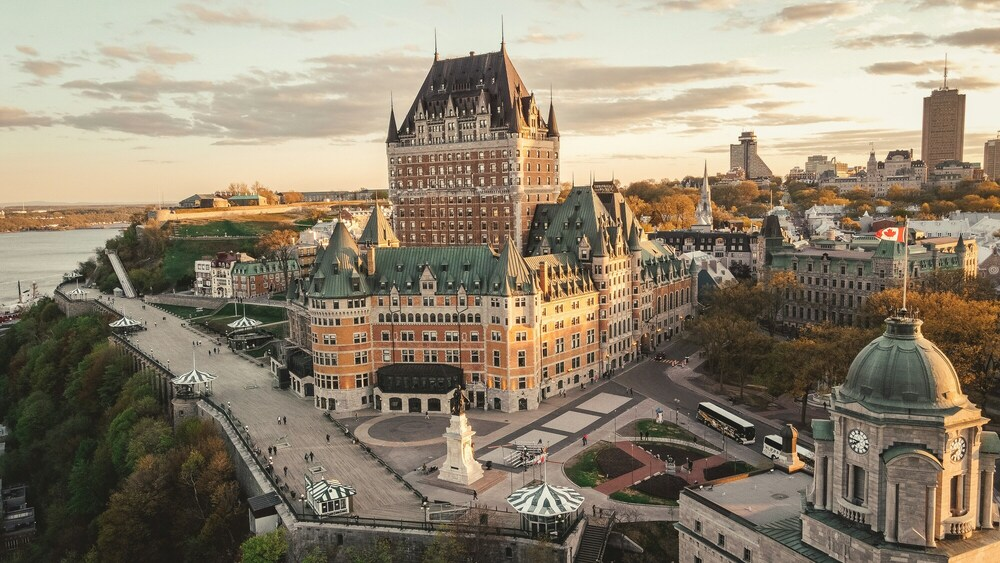
What to see: Quebec City is a UNESCO World Heritage Site with the only walled city north of Mexico. Old Quebec (Vieux-Québec) features narrow cobblestone streets, 17th-century buildings, and the iconic Château Frontenac hotel dominating the skyline. Walk the fortification walls, explore the Citadel fortress, stroll Petit Champlain shopping district, and ride the funicular. The city feels more European than Montreal with almost entirely French-speaking population. Plains of Abraham park offers history and river views.
How to get there: VIA Rail trains depart Montreal Central Station 4-5 times daily ($50-120 CAD round-trip, 3.5 hours). Orleans Express buses run frequently ($30-60 CAD round-trip, 3 hours). Driving via Highway 20 or 40 takes 2.5-3 hours. Car rentals start at $50/day.
Time needed: Full day minimum, overnight highly recommended to experience evening atmosphere and see more sites
Best for: History enthusiasts, photographers, Francophiles, anyone wanting quintessential French-Canadian experiences, couples seeking romantic getaway
Location: Old Quebec, 2 Rue des Carrières, Quebec City, QC G1R 5H3
Mont-Tremblant
Distance: 130 km / 80 miles, 1.5-2 hours northwest of Montreal
What to see: Mont-Tremblant is a charming European-style ski village nestled in the Laurentian Mountains. Winter brings world-class skiing and snowboarding with 102 trails. Summer offers hiking, mountain biking, zip-lining, golf, and water sports on Lac Tremblant. The pedestrian village has colorful buildings housing shops, restaurants, and cafes. Scenic gondola rides provide mountain views year-round. The area showcases Quebec’s natural beauty with lakes, forests, and mountains.
How to get there: Galland bus service from Montreal ($40-60 CAD round-trip, 2.5 hours). Driving via Highway 15 North takes 1.5 hours. Car rental recommended for flexibility exploring surrounding villages and lakes.
Time needed: Full day for village exploration and one activity, overnight for skiing or multiple activities
Best for: Outdoor enthusiasts, skiers/snowboarders, nature lovers, families, couples, anyone seeking mountain resort atmosphere
Location: 1000 Chemin des Voyageurs, Mont-Tremblant, QC J8E 1T1
Eastern Townships (Cantons-de-l’Est)
Distance: 80-150 km / 50-95 miles, 1-2 hours southeast of Montreal
What to see: The Eastern Townships are Quebec’s wine country and lakeside resort region with rolling hills, vineyards, craft breweries, and charming villages. Visit wineries for tours and tastings, explore Magog on Lake Memphremagog, see Abbaye de Saint-Benoît-du-Lac monastery, shop in North Hatley boutiques, and enjoy farm-to-table dining. Fall foliage here is spectacular. The area has a more English-speaking heritage than most of Quebec.
How to get there: Car rental essential for exploring multiple villages and wineries ($50-70/day). Driving to Magog takes 1.5 hours via Highway 10 East. Organized wine tours available from Montreal ($100-150 CAD including transport and tastings).
Time needed: Full day to visit 2-3 wineries and one village, weekend ideal for thorough exploration
Best for: Wine lovers, foodies, couples, leaf-peepers in fall, those seeking scenic countryside, cyclists (great bike routes)
Location: Magog Tourist Office, 55 Rue Cabana, Magog, QC J1X 2C4
Ottawa
Distance: 200 km / 125 miles, 2-2.5 hours west of Montreal
What to see: Canada’s capital city offers Parliament Hill with Gothic Revival buildings and Changing of the Guard ceremony (summer), excellent national museums including Canadian Museum of History and National Gallery, Rideau Canal (UNESCO site), and ByWard Market for food and shopping. The city is bilingual with grand architecture and cultural institutions. Winter brings Winterlude festival with ice sculptures and skating on the canal.
How to get there: VIA Rail trains run frequently ($40-90 CAD round-trip, 2 hours). Greyhound/Megabus services available ($20-50 CAD, 2.5 hours). Driving via Highway 40 West takes 2 hours. Easy day trip by train.
Time needed: Full day to see Parliament, 1-2 museums, and ByWard Market
Best for: History buffs, museum lovers, those interested in Canadian politics and culture, families (excellent museums for kids)
Location: Parliament Hill, Wellington Street, Ottawa, ON K1A 0A9
Oka and Hudson
Distance: 40-50 km / 25-30 miles, 45-60 minutes northwest of Montreal
What to see: Oka Provincial Park offers sandy beaches on Lake of Two Mountains, perfect for swimming, kayaking, and picnics. The Oka Monastery produces famous Oka cheese (visit the shop). Hudson village has antique stores, cafes, and English-speaking charm. This area provides quick nature escape with water activities close to the city. Apple orchards and farms dot the region for U-pick experiences in fall.
How to get there: Car rental needed ($50/day). Drive via Highway 13 and 344 West (45 minutes). No public transit connections. Combine Oka and Hudson in one trip as they’re 15 minutes apart.
Time needed: Half day for beach and monastery, full day to include Hudson and leisurely activities
Best for: Families with kids, beach lovers, those seeking easy nature escape, cyclists (scenic routes)
Location: Oka National Park, 2020 Chemin Oka, Oka, QC J0N 1E0
Saint-Sauveur and Val-David
Distance: 60-80 km / 37-50 miles, 1 hour north of Montreal
What to see: Laurentian Mountain villages offering boutique shopping, art galleries, and outdoor activities. Saint-Sauveur has upscale shops and restaurants along Rue Principale. Val-David is an artsy village with hiking trails, rock climbing, and bohemian cafes. Both offer access to mountains for hiking in summer and skiing in winter. Factory outlet shopping available nearby.
How to get there: Galland bus service to Saint-Sauveur ($20-35 CAD). Driving via Highway 15 North takes 1 hour. Car allows visiting both villages plus stops along the way.
Time needed: Half day for one village, full day for both plus outdoor activities
Best for: Shoppers, hikers, artists and creatives, those wanting mountains without going as far as Tremblant
Location: Saint-Sauveur Tourist Office, 605 Chemin des Érables, Saint-Sauveur, QC J0R 1R6
[AFFILIATE LINK: Book guided day tours from Montreal – GetYourGuide/Viator]
12. Insider Tips & Hidden Gems
Beyond the tourist trail, Montreal hides neighborhood secrets, local hangouts, and experiences that visitors often miss. These insider spots show you where Montrealers actually spend time and reveal the city’s authentic character.
Hidden Gems & Local Favorites
- Tam-Tams at Mount Royal: Parc du Mont-Royal, Monument Sir George-Étienne Cartier, Montreal, QC – Every Sunday afternoon from May to September, hundreds gather for spontaneous drum circles, dancing, and socializing near the Sir George-Étienne Cartier monument. Drummers create rhythms while people dance, juggle, play frisbee, and picnic. It’s a uniquely Montreal tradition showcasing the city’s free-spirited culture. Arrive around 2-3pm, bring blankets and snacks.
- Habitat 67: 2600 Avenue Pierre-Dupuy, Montreal, QC H3C 3R6 – This experimental housing complex designed by Moshe Safdie for Expo 67 looks like stacked concrete Lego blocks creating a futuristic apartment building. You can’t go inside (private residences) but it’s worth seeing from the outside. Walk around the complex for architectural photography. Combine with a visit to nearby Parc Jean-Drapeau.
- Lachine Canal Bike Path: From Old Port to Lachine, Montreal, QC – This 13.5 km paved path follows a historic canal with locks, industrial heritage, and waterfront parks. Rent BIXI bikes and ride from Old Montreal to Atwater Market and beyond. Pass converted warehouses, cross pedestrian bridges, and see heritage machinery. Less touristy than Old Port but equally scenic.
- Marché Atwater Hot Dogs: 138 Atwater Avenue, Montreal, QC H4C 2H6 – Inside Atwater Market, several butchers sell fresh sausages and hot dogs. Buy them at meat counters, then take them to nearby grills where locals cook them fresh. Add toppings from condiment bars. This insider lunch costs $5-8 and beats any restaurant hot dog. Watch locals for the full experience.
- Montreal Pool Room: 1217 Saint-Laurent Boulevard, Montreal, QC H2X 2S6 – Iconic greasy spoon diner operating since 1912 serving steamies (steamed hot dogs), poutine, and fries. No pool tables despite the name. Cash only, counter service, standing room when busy. This is old-school Montreal where everyone from artists to businesspeople grabs late-night food.
- Mile Ex (Mile-Exchange): North of Mile End around Bernard Street and Saint-Laurent Boulevard, Montreal, QC – This emerging neighborhood has hip cafes, craft breweries, and creative spaces in converted industrial buildings. Less discovered than Mile End but equally cool. Try Dispatch Coffee, Brasserie Harricana brewery, and explore street art murals.
- La Fontaine Park: 3819 Avenue Calixa-Lavallée, Montreal, QC H2L 3A7 – This Plateau park is where locals picnic, jog, and relax away from tourist crowds. Two ponds with fountains, theater performances in summer, tennis courts, and beautiful landscaping. BYOB picnics here are quintessential Montreal summer evenings. Less famous than Mount Royal but equally loved by locals.
Best Photo Spots
- Mount Royal Belvedere: 1260 Remembrance Road, Montreal, QC – The iconic Montreal skyline view from Kondiaronk Belvedere captures the entire city with Mount Royal cross visible in frame. Best at sunset when the city lights begin glowing. Arrive 30 minutes before sunset for positioning. This is THE Montreal photo everyone wants.
- Jacques-Cartier Bridge: Parc de la Cité-du-Havre, Montreal, QC – View from Parc Jean-Drapeau or Habitat 67 area showing the illuminated bridge with downtown skyline behind it. The bridge has color-changing LED lights making night photos spectacular. Blue hour (30 minutes after sunset) creates dreamy lighting.
- Rue Saint-Paul in Old Montreal: Saint-Paul Street between Place Jacques-Cartier and Bonsecours Market, Montreal, QC – Cobblestone streets with heritage buildings, flower boxes, and church spires. Early morning (7-8am) has no crowds and beautiful soft light. This is postcard Montreal at its most charming.
- Plateau Staircases: Around Carré Saint-Louis and Rue Saint-Denis, Montreal, QC – Montreal’s iconic exterior staircases painted in bright colors with row houses create quintessential residential shots. Look for colorful doors, wrought-iron railings, and flower boxes. Respect private property and photograph from the sidewalk.
Local Secrets
13. Money-Saving Tips
Comprehensive Money-Saving Strategies
- Visit major museums like Montreal Museum of Fine Arts on Wednesday evenings after 5pm for reduced admission ($13 CAD vs $26 CAD). Permanent collections are free for visitors under 21 always.
- Many museums offer free admission on specific days. McCord Museum is free every Wednesday evening. Pointe-à-Callière has free first Friday evenings monthly. Check individual museum websites.
- Table d’hôte lunch menus at upscale restaurants offer same quality as dinner for half the price. Three-course lunches run $20-35 vs $50-80+ for dinner at places like Au Pied de Cochon.
- BYOB restaurants eliminate wine markup costs. Bring bottles from SAQ (Quebec liquor stores) where wine costs $12-30 instead of $40-80+ in restaurants. No corkage fees. Look for “Apportez votre vin” signs.
- Shop at Jean-Talon or Atwater markets for picnic supplies and prepared foods. $15-20 buys gourmet lunches vs $40+ at restaurants. Parks and waterfront provide free scenic dining rooms.
- Montreal’s bagels cost $1-2 each. Buy a dozen fresh bagels ($10-12) with cream cheese from the market ($5) for multiple cheap breakfasts instead of $15-20 cafe breakfasts.
- Happy hour “5 à 7” (5pm-7pm) offers drink specials and discounted appetizers citywide. Beers drop from $8-10 to $5-6, cocktails from $15 to $10.
- Walk instead of taking taxis when possible. Downtown to Old Montreal is 20 minutes walking vs $15-20 taxi. Plateau to downtown is 30 minutes. The city is very walkable and you’ll see more.
- Use BIXI bikes for getting around ($5.50 day pass, $1.25 per trip). Much cheaper than taxis and faster than walking. First 30 minutes of each trip included.
- Book hotels in winter (January-March) for 40-60% savings vs summer. Temperatures are cold but many winter activities and festivals still happen. Underground City keeps you warm.
- Stay in Airbnb apartments in Plateau or Mile End instead of downtown hotels. Save 30-50% while getting kitchens to cook some meals. More space and authentic neighborhoods too.
- Montreal’s free activities rival paid attractions: Mount Royal park, Old Montreal wandering, Tam-Tams drum circles, waterfront walking, festival free outdoor stages, church visits (many free).
- The 747 airport bus ($11 CAD) includes 24-hour unlimited transit pass, saving airport taxi costs ($45) while providing day-one transportation around the city.
- Buy poutine from hole-in-the-wall spots ($6-8) instead of trendy restaurants ($15-18). Often tastes better too. Montreal Pool Room, La Banquise, and Patati Patata offer authentic cheap poutine.
- Split plates at restaurants. Montreal portions are generous. Many restaurants allow splitting with no charge, or charge just $3-5. One entree plus appetizers feeds two people.
Free Activities & Attractions
- Mount Royal Park: Hiking, viewpoints, Tam-Tams gatherings, Beaver Lake, nature trails – all completely free with spectacular city views and nature experiences in the city’s heart.
- Old Montreal Walking: Cobblestone streets, architecture, Place Jacques-Cartier, waterfront, public squares – free to explore at your own pace with some of Montreal’s best photo opportunities.
- Notre-Dame Basilica Exterior: The basilica charges entry but the exterior and square are free to photograph and appreciate the Gothic Revival architecture and surrounding historic district.
- Festival Free Programming: Jazz Festival, Just for Laughs, and most Montreal festivals offer extensive free outdoor stages with world-class performers. Entertainment rivals paid shows.
- Lachine Canal: 13.5 km bike and walking path along historic canal with locks, parks, industrial heritage. Completely free with beautiful scenery and local atmosphere away from tourist crowds.
Discount Cards & Passes Worth Buying
Montreal Museum Pass: $85 CAD for 3 consecutive days – Includes entry to 41 museums plus unlimited STM transit. Pays for itself if visiting 3+ museums. Montreal Museum of Fine Arts alone is $26, Biodome $22.75, Botanical Garden $22.75. The pass saves $50+ while including transit.
STM 3-Day Transit Pass: $21.25 CAD – Unlimited metro and bus for 3 consecutive days. Pays for itself after 6 rides. Essential for frequent transit users and includes buses to Mount Royal and other areas not walkable from downtown.
Budget-Friendly Alternatives
Skip the Eiffel Tower-like Olympic Stadium observation deck ($25) and go to Mount Royal summit instead for free panoramic views that are actually better. Instead of expensive harbor cruises ($40-60), walk the Lachine Canal path for waterfront views. Rather than paid walking tours ($25-40), follow free self-guided walking tour routes available online. Replace fine dining splurges with food market picnics featuring same quality artisanal products at half the cost.
14. Common Tourist Mistakes to Avoid
Mistakes to Avoid
- Mistake: Assuming everyone speaks English and starting conversations in English without greeting in French first. → Instead: Always start with “Bonjour!” before asking “Parlez-vous anglais?” Locals appreciate the effort and will switch to English if comfortable. This small courtesy makes huge difference in reception.
- Mistake: Only staying in Old Montreal and missing the authentic neighborhoods where Montrealers live like Plateau, Mile End, and Little Italy. → Instead: Spend one day in Old Montreal but explore residential neighborhoods for real Montreal culture, better food values, and authentic atmosphere beyond tourist sites.
- Mistake: Visiting only in summer and missing Montreal’s incredible winter personality including Igloofest, outdoor skating, winter festivals, and snow-covered beauty. → Instead: Consider winter visits (with proper clothing) for 50% cheaper hotels, fewer crowds, unique winter experiences, and seeing how locals thrive in harsh winters.
- Mistake: Renting cars for exploring the city when parking costs $30-50/day and public transit is excellent. → Instead: Use metro, buses, BIXI bikes, and walking for city exploration. Only rent cars for day trips outside Montreal like Quebec City or Eastern Townships where public transit doesn’t reach.
- Mistake: Eating dinner at 6pm when restaurants are empty and missing the lively atmosphere when locals dine at 7:30-9pm. → Instead: Book reservations for 7:30-8pm to experience restaurants at their peak energy with full crowds and best atmosphere. Montreal dining culture is later than typical North American timings.
- Mistake: Skipping BYOB restaurants because you don’t know about them or find them confusing. → Instead: Embrace BYOB culture for excellent food at much lower total costs. Buy wine at nearby SAQ stores. Ask restaurant staff for wine recommendations and they’ll often suggest specific bottles from nearby shops.
- Mistake: Trying to see everything in 24-48 hours and missing the pleasure of Montreal’s café culture and wandering neighborhoods slowly. → Instead: Plan for 3-4 days minimum. Schedule downtime for lingering in cafes, spontaneous discoveries, and experiencing Montreal’s relaxed pace rather than rushing between tourist sites.
- Mistake: Buying tourist trap souvenirs in Old Montreal gift shops at inflated prices ($25-30 for small maple syrup bottles). → Instead: Buy authentic Quebec products at Jean-Talon Market, Atwater Market, or local shops outside tourist zones for 40-60% savings and better quality selection.
- Mistake: Taking taxis everywhere when BIXI bikes are faster, cheaper, and more fun for getting around the flat central neighborhoods. → Instead: Use BIXI bike share ($5.50/day, first 30 minutes free per trip) for distances too far to walk but too short to justify taxi costs. Montreal has 800+ bike stations citywide.
- Mistake: Visiting Mount Royal at noon when harsh overhead light creates poor photos and heat makes climbing uncomfortable. → Instead: Time Mount Royal visits for sunset (golden hour photography), early morning (fewer crowds), or Sunday afternoons for Tam-Tams gatherings. The view is free anytime but timing enhances experience dramatically.
15. Sample Itineraries
1 Day in Montreal – Highlights Tour
Morning (9:00 AM – 12:00 PM): Start with breakfast at St-Viateur or Fairmount Bagel in Mile End ($5-8, fresh bagels with cream cheese and lox). Metro to Place-d’Armes station and spend the morning exploring Old Montreal’s cobblestone streets. Visit Notre-Dame Basilica ($15, 45 minutes) for stunning interior. Walk Rue Saint-Paul browsing galleries and shops, then stroll to the Old Port waterfront.
Afternoon (12:00 PM – 5:00 PM): Grab lunch at Schwartz’s Deli for legendary smoked meat sandwiches ($12-15). Metro or BIXI bike to Mount Royal Park. Climb to Kondiaronk Belvedere for panoramic city views (free, 30 minutes walking or take bus #11). Walk through the park enjoying nature in the city center. Descend via Peel Street to explore downtown and the Museum of Fine Arts exterior (entry costs $26 if time permits).
Evening (5:00 PM – 10:00 PM): Head to Plateau Mont-Royal via metro (Mont-Royal station). Watch sunset from Parc La Fontaine or wander colorful residential streets photographing exterior staircases. Dinner at a BYOB restaurant on Duluth Street ($25-40 per person, stop at SAQ for wine first). End with drinks on Saint-Laurent Boulevard at craft cocktail bars or brewery taprooms experiencing Montreal’s nightlife energy.
3 Days in Montreal – Perfect First Visit
Day 1: Old Montreal & Downtown
Morning: Breakfast at Olive + Gourmando in Old Montreal ($15-20). Explore Old Montreal thoroughly including Notre-Dame Basilica, Pointe-à-Callière archaeology museum, Place Jacques-Cartier, and Rue Saint-Paul galleries. Afternoon: Walk or bike the Old Port waterfront to Habitat 67 and back. Visit Montreal Museum of Fine Arts ($26). Evening: Dinner in downtown at Restaurant Europea or more casual spot, then drinks on Crescent Street or Bishop Street experiencing Anglophone bar scene. If it’s Wednesday, catch sunset from Mount Royal and return for MBAM’s reduced evening hours ($13 after 5pm).
Day 2: Plateau, Mile End & Markets
Morning: Brunch at Beauty’s Luncheonette or L’Avenue in Plateau ($15-25). Walk colorful residential streets around Carré Saint-Louis. Visit Jean-Talon Market ($0 entry) in Little Italy for food shopping and tastings. Afternoon: Explore Mile End neighborhood including St-Viateur Bagel factory, vintage shops on Saint-Laurent Boulevard, and Drawn & Quarterly bookstore. Stop at Dieu du Ciel! microbrewery for craft beers. Walk or BIXI bike to Mount Royal summit for sunset and city views. Evening: BYOB dinner on Duluth Street or Prince-Arthur Street ($25-40). Experience Plateau nightlife at indie music venues or cocktail bars. If it’s Sunday, spend afternoon at Tam-Tams drum gatherings on Mount Royal.
Day 3: Local Experiences & Biodome
Morning: Breakfast at Café Olimpico in Mile End ($5-10). Metro to Olympic Park for Biodome ($22.75), experiencing five ecosystems under one roof (2-3 hours). Consider adding Botanical Garden if weather is nice ($22.75, or buy combined pass). Afternoon: Return downtown via metro, grab late lunch at Montreal Pool Room for steamies and poutine ($10). Explore Underground City tunnels and shopping. Visit any museums you missed. Evening: Sunset walk along Lachine Canal bike path. Farewell dinner at Joe Beef or Au Pied de Cochon if you booked ahead (splurge $60-100 per person), or excellent mid-range options in Little Italy or Griffintown. End with drinks in Gay Village experiencing inclusive nightlife or catch comedy show at Just for Laughs year-round venue.
5-7 Days in Montreal – In-Depth Exploration
Follow the 3-day itinerary above, then add these experiences:
Day 4: Day Trip to Quebec City
Take early morning VIA Rail train (7am, $50-60 one-way, 3.5 hours). Arrive Quebec City 10:30am and explore Old Quebec’s fortifications, Château Frontenac, Petit Champlain district, and waterfront. Have lunch at traditional Quebecois restaurant. Walk the Plains of Abraham. Catch 5pm or 7pm train back to Montreal. This long day trip gives you taste of Quebec’s capital. Alternatively, stay overnight in Quebec City for more relaxed pacing and evening atmosphere (recommended if budget allows).
Day 5: Neighborhoods & Hidden Gems
Explore Little Italy thoroughly including caffè culture at Café Italia during soccer match if timing works. Visit smaller neighborhoods like Griffintown for craft breweries and Lachine Canal bike path (rent bike for the day). Have lunch at Atwater Market. Afternoon at Saint Joseph’s Oratory for architecture and city views from different angle than Mount Royal. Evening in Gay Village for inclusive nightlife, drag shows, or dance clubs. This day focuses on local experiences away from main tourist trail.
Day 6: Mont-Tremblant or Eastern Townships Day Trip
Rent car or book organized tour for day trip to Laurentian Mountains (Mont-Tremblant) or Eastern Townships wine country. Mont-Tremblant offers scenic mountain village, gondola rides, hiking or skiing depending on season (1.5 hours each way). Eastern Townships provides wine tasting tours, Magog lakeside charm, and rolling countryside (1.5-2 hours each way). Choose based on interests – outdoor activities vs wine and food. Return to Montreal evening for dinner in neighborhood you haven’t explored yet.
Day 7: Leisure & Favorites
Sleep in and have leisurely brunch at Lawrence Restaurant or Hof Kelsten. Revisit favorite neighborhoods for deeper exploration or shopping. Visit any museums or attractions you missed. Take cooking class or food tour if interested. Afternoon at spa or just relaxing in park with picnic from Jean-Talon Market. Pack and prepare for departure. Final dinner at a restaurant that called to you during the week but you didn’t have time for. Reflect on week of experiences over cocktails at rooftop bar or cozy wine bar.
[DISPLAY AD PLACEHOLDER #4]
16. Frequently Asked Questions
Is Montreal safe for tourists?
Yes, Montreal is very safe by North American standards with low crime rates. Violent crime against tourists is rare. Pickpocketing can occur in crowded metro cars and at festivals, so keep valuables secure. Most neighborhoods tourists visit are safe day and night. Use common sense as you would in any large city – stay aware of surroundings, don’t leave valuables visible in cars, and avoid isolated areas late at night.
Do I need a visa to visit Montreal/Canada?
US citizens need a valid passport but no visa for stays up to 6 months. Most European, Australian, New Zealand, Japanese, and South Korean citizens need only an eTA (Electronic Travel Authorization, $7 CAD online) before flying to Canada. Citizens of many other countries require visitor visas. Check official Government of Canada website (canada.ca) for your specific nationality’s requirements as rules change.
What’s the best way to get around Montreal?
The metro system is the best option for tourists – clean, safe, frequent, and reaches most attractions. Buy multi-day passes if using transit frequently. BIXI bikes are excellent for nice weather. Downtown and Old Montreal are very walkable. Taxis and Uber are available but unnecessary for most trips. Don’t rent a car for city exploration as parking is expensive and transit is better.
How much should I budget per day in Montreal?
Budget travelers can manage on $60-100 CAD daily (hostel, street food, free activities, transit pass). Mid-range travelers should budget $150-250 CAD (hotel, mix of restaurants, attractions, occasional taxi). Luxury travelers spending $400+ CAD enjoy fine dining, upscale hotels, and premium experiences without worrying about costs. Montreal is more affordable than Toronto or Vancouver.
Is Montreal expensive?
Montreal is moderately priced compared to other major North American cities – cheaper than New York, San Francisco, or Toronto, but more expensive than many US cities. Hotels and restaurants are reasonable. The strong US dollar makes Montreal excellent value for Americans. Museum passes and transit passes help control costs. BYOB restaurants save significantly on wine costs.
Do people speak English in Montreal?
Yes, Montreal is Canada’s most bilingual major city. Downtown, Old Montreal, and tourist areas have excellent English proficiency. Some neighborhoods like Plateau are more French-dominant but service staff generally speak English. Always start with “Bonjour” before asking if they speak English – this courtesy matters. Younger Montrealers are more bilingual than older generations. You won’t have language problems in tourist areas.
What should I pack for Montreal?
Summer (June-August): Light layers, shorts/skirts, comfortable walking shoes, sunscreen, sunglasses, light rain jacket. Spring/Fall (April-May, September-October): Layers including light jacket, jeans, closed-toe shoes, umbrella. Winter (November-March): Warm coat, thermal layers, winter boots with good traction, hat, gloves, scarf. Montreal has proper winters with snow and freezing temperatures. Pack stylishly as Montrealers dress fashionably even casually.
Is Montreal good for solo travelers?
Excellent for solo travelers. The city is safe, public transit is easy to navigate, hostels offer social atmospheres, and Montrealers are friendly and helpful. Many cafes and restaurants welcome solo diners without awkwardness. Walking tours provide opportunities to meet other travelers. The large student population creates welcoming environment for young solo travelers. Solo female travelers report feeling safe throughout the city.
Can I drink tap water in Montreal?
Yes, absolutely. Montreal’s tap water is safe, clean, and tastes good. Refill bottles freely at fountains, in restaurants, and from taps. No need to buy bottled water. The city’s water quality meets and exceeds safety standards. Many locals drink tap water exclusively.
What’s the best time of year to visit Montreal?
Late May through September offers the warmest weather and most festivals, but summer (July-August) gets crowded and expensive. September-early October provides beautiful fall colors, comfortable temperatures, fewer crowds, and good hotel rates. Winter (December-February) offers unique experiences like Igloofest and winter festivals at lowest prices if you can handle the cold. Avoid March-April when it’s cold but lacks winter charm.
How many days do I need in Montreal?
3-4 days is ideal for first-time visitors to see major attractions, explore neighborhoods, and enjoy the food scene without rushing. One day is possible but rushed. A week allows deeper exploration including day trips to Quebec City or Mont-Tremblant. Two days is the minimum to get a proper sense of the city.
Is Montreal LGBTQ+ friendly?
Extremely LGBTQ+ friendly. Montreal has North America’s largest Gay Village with inclusive nightlife, festivals, and community spaces. The city is progressive and accepting. Same-sex couples face no issues showing affection publicly. Pride celebrations are massive. Many neighborhoods beyond the Village are also very welcoming. Montreal is consistently ranked among the world’s most LGBTQ+-friendly cities.
Can I get by without speaking French?
Yes, you can get by with English alone in tourist areas and downtown. However, learning basic French phrases shows respect and improves your experience. Many Montrealers appreciate when visitors try speaking French first before switching to English. Service is friendlier when you make the effort. Download translation apps for restaurants in French-dominant neighborhoods. Your trip will be richer with some French, but you won’t struggle without it.
What’s the deal with Montreal bagels vs New York bagels?
Montreal bagels are smaller, denser, sweeter, and have larger holes than New York bagels. They’re hand-rolled, boiled in honey water, then baked in wood-fired ovens. The two main rivals are St-Viateur Bagel and Fairmount Bagel, both operating 24/7 since the 1950s. Locals have fierce preferences. Montreal bagels are meant to be eaten fresh and warm, never toasted. Try both and join the eternal debate about which is better.
Do I need to tip in Montreal?
Yes, tipping is expected. Standard is 15% for adequate service, 18-20% for good service at restaurants. Tip on the pre-tax amount. Bartenders get $1-2 per drink. Taxi drivers 10-15%. Hotel porters $2-5 per bag. Tour guides $5-10 per person. Some restaurants add automatic gratuity for groups of 6+ (check your bill). Unlike some countries, servers rely on tips as part of their income.
Ready to Explore Montreal?
Montreal is a city that rewards curiosity and openness – a place where European elegance meets North American energy, where poutine is served alongside haute cuisine, and where both French and English create a unique bilingual culture. From the cobblestones of Old Montreal to the colorful staircases of the Plateau, from smoked meat sandwiches to world-class museums, from winter festivals to summer jazz, Montreal offers experiences that stay with you long after you leave. The city’s festival energy, creative spirit, and welcoming locals make it unlike anywhere else in North America.
Pack your appetite, comfortable walking shoes, and sense of adventure. Whether you’re here for the bagels, the nightlife, the history, or simply to wander beautiful neighborhoods, Montreal will surprise and delight you. Bon voyage, and enjoy every moment in this extraordinary city!