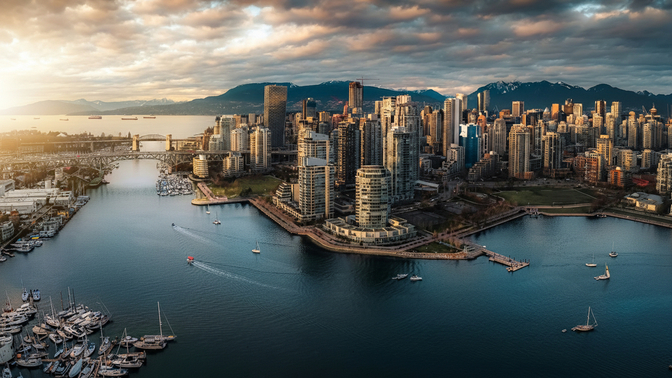
Vancouver Travel Guide: Everything You Need to Know for 2026
Your complete guide to visiting Canada’s stunning west coast gem
Table of Contents
- Vancouver Overview
- Getting There & Around
- Top Attractions & Landmarks
- Neighborhoods & Districts to Explore
- Food & Dining
- Nightlife & Entertainment
- Shopping
- Seasonal Events & Festivals
- Accommodation Recommendations
- Practical Information
- Day Trips & Nearby Destinations
- Insider Tips & Hidden Gems
- Money-Saving Tips
- Common Tourist Mistakes to Avoid
- Sample Itineraries
- Frequently Asked Questions
1. Vancouver Overview
Vancouver is where dramatic snow-capped mountains meet the sparkling Pacific Ocean, creating one of the world’s most stunning urban settings. This city effortlessly blends outdoor adventure with cosmopolitan sophistication, offering world-class skiing just 30 minutes from downtown beaches. The diverse neighborhoods pulse with energy from a multicultural population that brings incredible food, art, and culture to every corner of the city.
You should visit Vancouver because it offers something truly unique that few cities can match. You can kayak in the ocean at sunrise, hike through rainforest at midday, enjoy dinner at a Michelin-quality restaurant in the evening, and still catch sunset from a downtown beach. The city hosts major events like the FIFA World Cup 2026, with BC Place Stadium serving as an official venue for seven matches. Vancouver’s commitment to sustainability, vibrant Indigenous culture, and reputation as one of the world’s most livable cities makes it an essential destination.
Vancouver does face some challenges including higher costs compared to other Canadian cities and occasional rainy weather, especially in winter months. However, the incredible natural beauty, outdoor access, cultural diversity, and west coast lifestyle more than compensate for these considerations.
Best Time to Visit Vancouver
Spring (April-May): Spring in Vancouver brings cherry blossoms that transform the city into a pink wonderland, with temperatures ranging from 10-15°C (50-59°F). Crowds are moderate, hotel prices are reasonable, and the Vancouver Cherry Blossom Festival in April showcases over 40,000 ornamental cherry trees. Rain is still common but decreasing, and gardens throughout the city burst into bloom.
Summer (June-August): Peak season features warm, dry weather with temperatures of 20-25°C (68-77°F) and long daylight hours perfect for beach days and outdoor festivals. Crowds are at their highest, hotel prices peak, and attractions get busy. Book accommodations and popular tours 6-8 weeks in advance. The weather is nearly perfect with minimal rainfall, making this ideal for hiking, beach activities, and outdoor dining.
Fall (September-October): Early fall offers some of the best weather with warm temperatures, fewer crowds, and spectacular golden hour lighting for photography. Hotel prices drop by 20-30% compared to summer. Rainfall increases by late October, but September is often Vancouver’s sunniest month. Fall foliage in Stanley Park and surrounding mountains creates stunning scenery.
Winter (November-March): Winter is the off-peak season with temperatures of 3-8°C (37-46°F) and frequent rainfall, though snow is rare in the city. Hotel prices are at their lowest, major attractions are less crowded, and nearby ski resorts offer world-class winter sports. The holiday season brings festive markets and light displays. Pack waterproof gear and embrace the cozy cafe culture.
How Long to Stay in Vancouver
- 1-2 days: Rushed but doable for seeing Stanley Park, Granville Island, and Gastown’s highlights. Focus on downtown attractions and the seawall. Best for transit passengers or weekend getaways.
- 3-4 days: Perfect for first-time visitors to cover main attractions including Stanley Park, Capilano Suspension Bridge, Granville Island, Gastown, and one neighborhood exploration. Allows time for one day trip to Whistler or Victoria.
- 5-7 days: Ideal for deeper exploration including multiple neighborhoods, several beaches, North Shore adventures, museum visits, and two day trips. Time to experience local cafes, breweries, and slower-paced activities without feeling rushed.
- 1 week+: For enthusiasts who want to explore every district, take multiple day trips, enjoy the food scene thoroughly, hike various trails, and experience Vancouver like a local with time for markets, events, and spontaneous discoveries.
Quick Facts About Vancouver
- Population: 2.6 million (Metro Vancouver), 675,000 (City of Vancouver proper)
- Language: English (very high proficiency, multilingual population)
- Currency: Canadian Dollar (CAD, $)
- Time Zone: Pacific Standard Time (PST/UTC-8, PDT/UTC-7 in summer)
- Country Code: +1
- Area Code: 604 and 778
2. Getting There & Around
Airports Serving Vancouver
Vancouver International Airport (YVR)
3211 Grant McConachie Way, Richmond, BC V7B 0A4, Canada
Located on Sea Island, 13 km (8 miles) south of downtown Vancouver. YVR is Canada’s second-busiest airport, serving as a major international hub with flights from Asia, Europe, the US, and across Canada. The airport features impressive Indigenous art collections and consistently ranks among the best airports in North America.
[AFFILIATE LINK: Find cheap flights to Vancouver – Skyscanner/Expedia]
Getting from Airport to City Center
Canada Line SkyTrain (Public Transit): CAD $10.80-$12.30 per person (includes CAD $5 YVR AddFare plus 2-zone fare of $5.80-$7.30 depending on time), 25-30 minutes to downtown. Trains run every 6-8 minutes during peak hours, every 10-15 minutes off-peak. Buy tickets at machines on the platform or tap contactless credit/debit cards directly at fare gates. Note: The YVR AddFare increases to CAD $6.50 starting July 1, 2026. Service runs from 5am-1am daily.
Taxi: CAD $35-45 flat rate to downtown Vancouver, 20-30 minutes depending on traffic. Official yellow taxis line up outside arrivals. All accept credit cards. No need to tip beyond the meter, but 10-15% is customary for good service.
Rideshare (Uber/Lyft): CAD $30-50 depending on surge pricing and time of day, 20-30 minutes. Order via app from the designated rideshare pickup area on Level 1 of Domestic Terminal.
N10 NightBus: CAD $5.80-$7.30 per person, 40-50 minutes. New 24-hour service started January 2026, providing overnight coverage when SkyTrain isn’t running. Stops at Domestic Departures Level 3.
Private Transfer: CAD $60-120 depending on vehicle type, direct door-to-door service. Book in advance through hotel or online services.
[AFFILIATE LINK: Book airport transfers to Vancouver – GetYourGuide/Viator]
Getting Around Vancouver
Vancouver has excellent public transportation operated by TransLink, combining SkyTrain (rapid transit), buses, and SeaBus (passenger ferry). The downtown core and many neighborhoods are very walkable, and the city is increasingly bike-friendly with dedicated lanes. Most visitors find they don’t need a car unless planning day trips outside the city.
Metro/Subway System (SkyTrain)
Vancouver’s SkyTrain is a driverless rapid transit system with three lines: Canada Line (airport to downtown and Richmond), Expo Line (downtown to Burnaby and Surrey), and Millennium Line (East Vancouver to Coquitlam). Trains are clean, frequent (2-5 minutes during peak, 5-15 minutes off-peak), and run from 5am-1am weekdays, 6am-1am Saturdays, 7:30am-1am Sundays. Coverage includes all major attractions and neighborhoods.
Tickets & Passes:
- Single ride: CAD $3.15 (1-zone), $4.50 (2-zone), $6.15 (3-zone) – valid 90 minutes
- DayPass: CAD $11.25 (all zones, unlimited travel after 6:30pm and weekends)
- Monthly pass: CAD $108.90 (1-zone), $145.20 (2-zone), $181.50 (3-zone)
- After 6:30pm weekdays and all day weekends/holidays: All travel is 1-zone pricing
Purchase reloadable Compass Cards at any SkyTrain station for CAD $6 (refundable deposit). Alternatively, tap contactless credit/debit cards directly at fare gates for the same pricing. Always tap in AND tap out, even for bus transfers.
Buses & SeaBus
TransLink operates extensive bus routes throughout Metro Vancouver with the same Compass Card/fare system as SkyTrain. Buses are useful for reaching beaches, neighborhoods not served by SkyTrain, and North Vancouver. The SeaBus is a passenger-only ferry connecting downtown Waterfront Station to North Vancouver’s Lonsdale Quay in 12 minutes, offering spectacular harbor views. Same fares apply.
Taxis & Rideshare
Official taxis are yellow with roof-mounted “TAXI” signs. Flag fall is CAD $3.80, then CAD $2.17 per km. All accept credit cards. Uber and Lyft both operate in Vancouver with standard app-based pricing, typically CAD $10-20 for cross-downtown trips.
Walking
Downtown Vancouver, Gastown, Yaletown, and the West End are highly walkable with well-maintained sidewalks. The 28km Seawall path around Stanley Park and False Creek is one of the world’s best urban walking routes. Most downtown attractions are within 20-30 minutes’ walk of each other. Some hills exist in areas like Gastown and certain residential neighborhoods.
Walkability Score: 90/100 for downtown core. The flat seawall paths and grid street layout make navigation easy.
Biking
Vancouver is becoming increasingly bike-friendly with protected lanes on major streets. The Seawall offers car-free cycling around Stanley Park and False Creek. Mobi by Shaw Go is the public bike-share system with CAD $2.75 for 30 minutes or CAD $24 for 24-hour access. Flat terrain downtown, but North Vancouver and some neighborhoods have significant hills.
Tourist Passes & Cards
Currently, Vancouver doesn’t have a comprehensive tourist card combining transit and attractions. Individual attraction passes exist for places like Capilano Suspension Bridge or Grouse Mountain with transit options bundled in. Most visitors find the regular TransLink DayPass sufficient.
[DISPLAY AD PLACEHOLDER #1]
3. Top Attractions & Landmarks
[AFFILIATE LINK: Book skip-the-line tickets for Vancouver attractions – GetYourGuide/Viator]
Stanley Park
Stanley Park Causeway, Vancouver, BC V6G 1Z4, Canada
Stanley Park is Vancouver’s crown jewel, a 405-hectare (1,000-acre) urban park that’s 10% larger than New York’s Central Park. This magnificent green space sits on a peninsula jutting into Burrard Inlet, featuring ancient temperate rainforest, beaches, gardens, and the world-famous Seawall path. The park occupies the traditional unceded territories of the Musqueam, Squamish, and Tsleil-Waututh First Nations, who have inhabited these lands since time immemorial.
The park offers endless activities including the 8.8 km Seawall walking/cycling path with stunning ocean and mountain views, Second Beach Pool (summer only), pristine beaches, totem poles at Brockton Point, gardens including the Ted and Mary Greig Rhododendron Garden, and forest trails through towering Douglas firs and western red cedars. The Vancouver Aquarium, though currently closed for redevelopment, will reopen with updated facilities.
Why visit: Stanley Park provides an unparalleled opportunity to experience pristine nature within minutes of a major downtown core. The Seawall alone is worth the visit, offering one of the world’s most scenic urban walks with 360-degree views of mountains, ocean, city skyline, and forest. It’s free, accessible, and showcases Vancouver’s unique geography where wilderness meets urbanity.
Entrance: Free (parking CAD $3.50-$8 per hour)
Best time: Early morning (7-9am) for fewer crowds, or golden hour (2 hours before sunset)
Hours: Open 24/7 year-round
Capilano Suspension Bridge Park
3735 Capilano Road, North Vancouver, BC V7R 4J1, Canada
The Capilano Suspension Bridge stretches 140 meters (450 feet) across and 70 meters (230 feet) above the roaring Capilano River, swaying through an ancient coastal rainforest. Built in 1889, this thrilling bridge has become one of Vancouver’s most iconic attractions. Beyond the bridge, the 27-acre park features the Treetops Adventure with seven suspension bridges through the forest canopy and the Cliffwalk, a narrow walkway jutting out from a granite cliff face.
The park immerses visitors in old-growth temperate rainforest with towering Douglas firs and western red cedars up to 1,300 years old. Indigenous cultural programming includes the Totem Park with hand-carved poles and new Totem Talks tours explaining their cultural significance. The Story Centre showcases the bridge’s history and the Kia’palano First Nation’s connection to this land.
Why visit: This attraction delivers an exhilarating combination of adventure and nature. Walking across the swaying suspension bridge provides an adrenaline rush while surrounded by pristine wilderness. The multiple perspectives – from below the canyon, across it, above in the treetops, and out on cliff edges – create a multi-dimensional rainforest experience impossible to get elsewhere.
Entrance: CAD $66.95 adults, CAD $43.95 youth (13-16), CAD $28.95 children (6-12), free under 6 (2026 prices)
Best time: Weekday mornings (9-10am) or after 3pm to avoid tour groups
Hours: Daily 9am-7pm (summer), 9am-5pm (winter), hours vary by season
Granville Island Public Market
1689 Johnston Street, Vancouver, BC V6H 3R9, Canada
Granville Island transformed from an industrial wasteland into Vancouver’s premier urban marketplace and cultural hub. The Public Market opened in 1979 under the Granville Street Bridge, now featuring over 50 permanent vendors selling fresh produce, artisan foods, baked goods, seafood, meats, cheeses, and flowers. The bustling market atmosphere captures Vancouver’s multicultural food scene and commitment to local, fresh ingredients.
Beyond the market, Granville Island hosts artist studios, galleries, theaters including the Arts Club Theatre Company, the Emily Carr University of Art + Design campus, craft breweries, restaurants, the Kids Market, and waterfront walkways with buskers and street performers. Water taxis and small ferries connect the island to downtown, Yaletown, and other False Creek destinations.
Why visit: Granville Island offers an authentic taste of Vancouver’s lifestyle where locals and tourists mix freely. The market provides opportunities to sample local specialties from BC salmon to artisan cheeses, fresh pastries, and international cuisines. The relaxed atmosphere, waterfront location, and combination of food, art, and entertainment creates a distinctly Vancouver experience perfect for browsing, tasting, and people-watching.
Entrance: Free (parking CAD $3 per hour, maximum CAD $18 per day)
Best time: Weekday mornings (9-11am) for freshest products and fewer crowds
Hours: Market open daily 9am-7pm, individual vendors vary
Gastown & Steam Clock
Water Street & Cambie Street, Gastown, Vancouver, BC V6B 1A1, Canada
Gastown is Vancouver’s oldest neighborhood, designated a National Historic Site with beautifully preserved Victorian-era buildings, cobblestone streets, and gas-powered street lamps. Named after “Gassy Jack” Deighton, a riverboat captain who opened the area’s first saloon in 1867, Gastown sparked Vancouver’s development as a city. Today it blends historic character with contemporary restaurants, boutiques, galleries, and nightlife.
The famous Gastown Steam Clock on Water Street at Cambie shoots steam and whistles the Westminster Chimes every 15 minutes – one of only a few working steam clocks in the world. Built in 1977 during the neighborhood’s revitalization, it’s become Vancouver’s most photographed landmark. The surrounding streets feature red-brick buildings housing craft breweries, Indigenous art galleries, trendy restaurants, and fashion boutiques.
Why visit: Gastown captures Vancouver’s frontier history and transformation into a modern city. The walkable neighborhood offers excellent photo opportunities with its gas lamps, cobblestones, and Victorian architecture. It’s the heart of Vancouver’s craft brewery scene, home to excellent restaurants, and provides a stark architectural contrast to the glass towers of downtown just blocks away.
Entrance: Free to explore
Best time: Daytime (10am-5pm) for shopping and photos, evenings (6pm-11pm) for dining and nightlife
Hours: Streets open 24/7, businesses typically 10am-6pm (shops), restaurants later
Grouse Mountain
6400 Nancy Greene Way, North Vancouver, BC V7R 4K9, Canada
Grouse Mountain rises 1,250 meters (4,100 feet) above sea level, offering year-round outdoor recreation just 15 minutes from downtown Vancouver. The Skyride gondola climbs 1,100 meters in 8 minutes, revealing spectacular 360-degree views of Vancouver, the Pacific Ocean, surrounding mountains, and Vancouver Island on clear days. In summer, hiking trails include the infamous Grouse Grind – a 2.9 km vertical ascent nicknamed “Nature’s StairMaster.”
Summer activities include grizzly bear habitat viewing, Birds in Motion show, lumberjack competitions, alpine hiking, ziplines, and paragliding. Winter transforms the mountain into a ski resort with 26 runs, snowshoeing, ice skating, and sleigh rides. The mountaintop houses restaurants including the upscale Observatory fine dining venue. The Peak of Christmas event (late November-January) features light displays and festive activities.
Why visit: Grouse Mountain delivers Vancouver’s signature combination of wilderness and accessibility. The views alone justify the trip – seeing the entire city, ocean, and mountains from one vantage point is breathtaking. Year-round activities mean there’s always something to do, from skiing in winter to bear watching in summer, making it a versatile attraction regardless of season.
Entrance: CAD $74.95 adults, CAD $44.95 youth (13-18), CAD $26.95 children (5-12), free under 5 (summer 2026 prices, includes Skyride and mountain activities)
Best time: Sunset for spectacular views and fewer crowds, or early morning in summer for hiking
Hours: Skyride operates 9am-10pm daily (hours vary by season)
[DISPLAY AD PLACEHOLDER #2]
Vancouver Aquarium
845 Avison Way, Stanley Park, Vancouver, BC V6G 3E2, Canada
Note: The Vancouver Aquarium is currently closed for redevelopment and scheduled to reopen in 2027 with updated facilities and exhibits. When operational, it’s one of North America’s premier marine science centers, focusing on Pacific Northwest marine life, ocean conservation, and marine mammal rescue. The facility conducts important research on ocean health and climate change impacts.
Upon reopening, expect modernized exhibits featuring Pacific octopuses, sea otters, seals, sea lions, and diverse Pacific marine ecosystems. The aquarium’s Marine Mammal Rescue Centre rehabilitates injured and orphaned marine mammals from BC waters. Educational programs engage visitors in ocean conservation and sustainability efforts.
Why visit: Once reopened, the aquarium will provide close encounters with Pacific marine life rarely seen in the wild. The focus on local ecosystems and conservation creates meaningful connections between visitors and the ocean just outside. The Marine Mammal Rescue program demonstrates real-world conservation impact, and the Stanley Park location adds natural beauty to the experience.
Entrance: TBD (expected CAD $45-60 for adults when reopened in 2027)
Best time: Weekday mornings
Hours: Currently closed, check official website for 2027 reopening dates
Museum of Anthropology (MOA)
6393 NW Marine Drive, Vancouver, BC V6T 1Z2, Canada
The Museum of Anthropology at the University of British Columbia is one of North America’s finest museums showcasing Indigenous arts and cultures. Housed in an Arthur Erickson-designed building with floor-to-ceiling windows overlooking the mountains and ocean, the museum holds over 38,000 ethnographic objects and 535,000 archaeological artifacts. The collection focuses heavily on First Nations peoples of the Pacific Northwest Coast.
The Great Hall features massive totem poles and traditional canoes beneath soaring glass walls integrating the coastal landscape into exhibits. The Bill Reid Rotunda displays Reid’s masterpiece sculpture “The Raven and The First Men,” carved from yellow cedar. Outdoor exhibits include the Haida Houses and Memorial Poles overlooking the water. Contemporary Indigenous art showcases living cultures, not just historical artifacts.
Why visit: MOA provides essential context for understanding Indigenous cultures whose territories include Vancouver and BC. The world-class collection, stunning architecture, and integration of art with landscape create a powerful cultural experience. It’s the best place in Vancouver to learn about First Nations art, history, and contemporary culture from Indigenous perspectives.
Entrance: CAD $22 adults, CAD $18 seniors/students, CAD $16 youth (6-17), free under 6 (2026 prices)
Best time: Tuesday-Thursday mornings for smallest crowds, or late afternoon for beautiful natural lighting
Hours: Tuesday-Sunday 10am-5pm (Thursday until 9pm), closed Mondays except holidays
Canada Place & Olympic Cauldron
999 Canada Place, Vancouver, BC V6C 3B5, Canada
Canada Place on the downtown waterfront is instantly recognizable by its distinctive white sails designed to evoke a ship, sitting where cruise ships dock in the heart of the city. Built for Expo 86, it now houses the Vancouver Convention Centre West building, the Pan Pacific Hotel, and FlyOver Canada. The building’s perimeter offers a free waterfront promenade with spectacular views across Burrard Inlet to North Shore mountains.
The Olympic Cauldron stands at nearby Jack Poole Plaza, the ceremonial flame from the 2010 Winter Olympics. It lights for special occasions and Olympic anniversaries. The area features public art, waterfront access, and connects to the Waterfront SkyTrain station. Free entry to the outdoor areas makes it popular for walking, photography, and watching float planes take off and land.
Why visit: Canada Place offers some of Vancouver’s best free views and photo opportunities. The waterfront walk provides perspectives of the harbor, mountains, and city skyline impossible to get elsewhere. It’s an excellent spot to watch cruise ship departures, seaplanes, and experience Vancouver’s maritime character. FlyOver Canada provides an optional virtual flight experience across Canadian landscapes.
Entrance: Free outdoor access (FlyOver Canada CAD $32 adults, CAD $23 children 12 and under)
Best time: Sunset for golden light on mountains and city, or early morning for reflections
Hours: Outdoor areas accessible 24/7, FlyOver Canada 10am-9pm daily
Science World at TELUS World of Science
1455 Quebec Street, Vancouver, BC V6A 3Z7, Canada
Science World occupies the iconic geodesic dome built for Expo 86, now housing Vancouver’s premier interactive science center. The distinctive silver sphere is a city landmark visible across False Creek. Inside, hands-on exhibits cover physics, biology, technology, and environmental science with a focus on making science accessible and fun for all ages.
Permanent galleries include the Eureka! gallery for younger children, BodyWorks exploring human biology, the Search gallery about Sara Stern’s work with gorillas, and the Science Theatre with live demonstrations. The OMNIMAX Theatre shows large-format films on a five-story domed screen. Special exhibitions rotate quarterly, covering topics from dinosaurs to space exploration to climate change.
Why visit: Science World excels at making complex science concepts engaging through interactive, hands-on learning. It’s outstanding for families with children but equally entertaining for adults who enjoy puzzles, experiments, and scientific demonstrations. The dome itself is an architectural icon, and the location on False Creek offers waterfront access and views.
Entrance: CAD $33.75 adults, CAD $24.50 youth (13-18) and seniors, CAD $24.50 children (3-12), free under 3 (add CAD $6 for OMNIMAX film)
Best time: Weekday mornings (10am-12pm) to avoid school groups and weekend crowds
Hours: Tuesday-Friday 10am-5pm, Saturday-Sunday 10am-6pm, closed Mondays except holidays
VanDusen Botanical Garden
5251 Oak Street, Vancouver, BC V6M 4H1, Canada
VanDusen Botanical Garden spans 55 acres featuring over 8,000 plant species from around the world, organized into distinct geographical and thematic areas. Created in 1975 on a former golf course, the garden showcases plants from Mediterranean climates, Himalayan regions, and Pacific Northwest native species. The landscape integrates ornamental gardens, ponds, streams, and walking paths through mature tree canopy.
Highlights include the Elizabethan Hedge Maze, Sino-Himalayan Garden, Rhododendron Walk (spectacular in spring), Korean Pavilion, and collections of magnolias, maples, and roses. The LEED Platinum-certified Visitor Centre features a living roof. Seasonal events include the spectacular Festival of Lights (December-January) with over one million lights illuminating the garden, and the Flower & Garden Show (June).
Why visit: VanDusen offers year-round beauty and seasonal highlights that showcase plants perfectly adapted to Vancouver’s climate. Spring brings flowering magnolias, rhododendrons, and cherry blossoms. Fall features stunning foliage. Winter’s Festival of Lights is Vancouver’s premier holiday attraction. The peaceful garden provides respite from urban energy and demonstrates sustainable gardening practices.
Entrance: CAD $12.75 adults, CAD $9.50 seniors/students, CAD $6.25 youth (5-18), free under 5 (regular admission, Festival of Lights priced separately)
Best time: April-May for spring blooms, October for fall colors, December for Festival of Lights
Hours: Daily 9am-8pm (summer), 10am-4pm (winter), hours vary by season
Dr. Sun Yat-Sen Classical Chinese Garden
578 Carrall Street, Vancouver, BC V6B 5K2, Canada
The Dr. Sun Yat-Sen Classical Chinese Garden is the first authentic classical Chinese garden built outside China, constructed in 1986 by 52 artisans from Suzhou using traditional techniques and materials. The scholars’ garden follows Ming Dynasty design principles of balanced opposites – yin and yang – through careful placement of rocks, water, plants, and architecture creating harmony and contemplative spaces.
Every element carries symbolic meaning, from the limestone rock formations representing mountains to the carefully pruned pines symbolizing longevity. Covered walkways connect pavilions overlooking courtyards and koi ponds. The garden changes dramatically through seasons, with flowering plums in late winter, wisteria in spring, lotus in summer, and maples in fall. Located in Chinatown, it’s adjacent to the free Dr. Sun Yat-Sen Park.
Why visit: This is a rare opportunity to experience an authentic Ming Dynasty scholars’ garden without traveling to China. The tranquil atmosphere and meticulous attention to philosophical principles create a meditative escape from Vancouver’s urban energy. Guided tours explain the complex symbolism and design philosophy that would otherwise be missed. It’s a masterpiece of landscape architecture and cultural expression.
Entrance: CAD $15 adults, CAD $12 seniors/students, CAD $10 youth (6-17), free under 6
Best time: Early morning for peaceful atmosphere, or during guided tours at 11am and 2pm daily
Hours: Daily 10am-6pm (May-mid-October), 10am-4:30pm (mid-October-April)
Kitsilano Beach & Waterfront
1499 Arbutus Street, Vancouver, BC V6J 5N2, Canada
Kitsilano Beach, known locally as “Kits Beach,” is Vancouver’s most popular urban beach stretching along English Bay with views of downtown, the North Shore mountains, and Burrard Bridge. The sandy beach spans several blocks with Vancouver’s largest outdoor saltwater pool, beach volleyball courts, grassy areas for picnics, and the waterfront walking/cycling path connecting to Granville Island and downtown.
The beach culture embodies Vancouver’s laid-back west coast lifestyle with locals swimming, paddleboarding, kayaking, playing volleyball, and sunbathing throughout summer. The heated Kitsilano Pool (May-September) is 137 meters long, one of the longest pools in Canada, offering lanes for swimming and open areas for recreation. Nearby commercial streets feature casual restaurants, cafes, shops, and ice cream stands.
Why visit: Kits Beach delivers quintessential Vancouver summer experiences – swimming with mountain views, beach volleyball, waterfront cycling, and casual west coast atmosphere. It’s less touristy than English Bay downtown while offering better facilities and more spacious beaches. The pool provides swimming options even when the ocean is too cold. Perfect for experiencing how Vancouverites actually spend their leisure time.
Entrance: Free beach access (pool CAD $6.65 adults, CAD $4.65 youth/seniors)
Best time: Late afternoon-sunset (4-8pm) for warmest water and golden light
Hours: Beach accessible 24/7, pool operates late May-mid-September 10am-8:45pm
4. Neighborhoods & Districts to Explore
Vancouver’s distinct neighborhoods each offer unique character shaped by geography, history, and communities. From historic Gastown to beach-town Kitsilano, exploring different districts reveals the multicultural, diverse nature of the city beyond downtown’s glass towers.
Gastown
Character: Vancouver’s oldest neighborhood features cobblestone streets, Victorian-era brick buildings, gas lamps, and the famous Steam Clock. The area blends historic preservation with trendy restaurants, craft breweries, fashion boutiques, and nightlife. It’s gritty and polished simultaneously, representing both Vancouver’s origins and its contemporary creative culture.
What makes it special: Gastown offers the densest concentration of heritage architecture and the most distinctly “old Vancouver” atmosphere. Water Street’s preserved buildings now house some of the city’s best restaurants including L’Abattoir, Pourhouse, and The Flying Pig. The craft brewery scene thrives here with Steamworks, Six Acres, and Alibi Room. Indigenous art galleries showcase work by local Coast Salish artists alongside contemporary fashion boutiques.
Best for: History enthusiasts, photographers, foodies, craft beer lovers, couples seeking romantic dinner spots, and anyone wanting classic Vancouver photo opportunities with the Steam Clock.
Must-see in this area: Steam Clock (Water & Cambie), Gassy Jack statue (Maple Tree Square), Steamworks Brewing Co., Water Street shopping, Cambie Street mural walk
How to get there: Waterfront SkyTrain station (3-minute walk), #4, #7, or #50 bus
Location: Water Street, Gastown, Vancouver, BC V6B 1A1, Canada
Yaletown
Character: Once a railway warehouse district, Yaletown transformed into Vancouver’s trendiest neighborhood featuring converted loft-style buildings, upscale restaurants with heated patios, boutique shopping, and a polished urban atmosphere. The waterfront seawall and marina add to its sophisticated appeal. It’s where young professionals live, dine, and socialize.
What makes it special: Yaletown exemplifies Vancouver’s successful urban renewal, turning industrial spaces into vibrant mixed-use neighborhoods. The loading dock patios are unique – former railway platforms now serve as restaurant terraces. The shopping rivals Robson Street with better quality boutiques. Easy water taxi access connects to Granville Island and Science World. Dog-friendly patios and tree-lined streets create European-style boulevard ambiance.
Best for: Foodies seeking upscale dining, boutique shoppers, couples enjoying patio culture, dog lovers, architecture enthusiasts, and anyone interested in seeing Vancouver’s successful urban planning.
Must-see in this area: Yaletown Seawall, Roundhouse Community Centre, David Lam Park, Hamilton Street and Mainland Street shopping, False Creek Marina
How to get there: Yaletown-Roundhouse SkyTrain station, #6 or #15 bus
Location: 1200 Mainland Street, Yaletown, Vancouver, BC V6B 2T7, Canada
Kitsilano (Kits)
Character: Kitsilano embodies west coast beach lifestyle with yoga studios, organic cafes, vintage shops, and residents who seem permanently sun-kissed. The neighborhood stretches from Kits Beach along waterfront parks and residential streets lined with heritage houses and low-rise apartments. It’s health-conscious, environmentally aware, and effortlessly cool without trying hard.
What makes it special: Kits perfectly captures Vancouver’s balanced lifestyle of outdoor recreation, wellness culture, and neighborhood livability. The beach and pool are Vancouver’s best, 4th Avenue offers eclectic shopping from vintage clothing to modern housewares, and the restaurant scene focuses on fresh, local, healthy options. It’s where you understand why Vancouverites love their city – beach access, mountain views, and neighborhood charm.
Best for: Beach lovers, health and wellness enthusiasts, vintage shoppers, families, yogis, and anyone seeking authentic west coast Vancouver lifestyle away from downtown tourists.
Must-see in this area: Kitsilano Beach and Pool, 4th Avenue shopping district, Vanier Park museums, Kits Point, waterfront seawall path
How to get there: #2, #22, or #32 bus from downtown (20 minutes)
Location: West 4th Avenue & Burrard Street, Kitsilano, Vancouver, BC V6J 1E5, Canada
Commercial Drive (The Drive)
Character: Commercial Drive is Vancouver’s bohemian, artistic, multicultural heart featuring Italian cafes, Latin American restaurants, vintage shops, independent theaters, and a vibrant street life. The neighborhood resists gentrification while celebrating diversity, activism, and community. Murals cover buildings, locals linger in sidewalk cafes, and the vibe is decidedly counter-culture.
What makes it special: The Drive offers Vancouver’s most authentic, unpretentious neighborhood experience with genuinely local character. Italian immigration shaped the area’s cafe culture, while recent waves from Latin America, East Africa, and Asia added layers of diversity. Independent businesses dominate – no chain stores. The Car-Free Day festival each summer closes the street for celebration. It’s where Vancouver’s artists, activists, and free spirits gather.
Best for: Culture seekers, independent coffee lovers, vintage hunters, anyone wanting to see multicultural Vancouver beyond tourist zones, and people who prefer authentic neighborhood character over polished attractions.
Must-see in this area: Havana Theatre and Rio Theatre (independent cinemas), Grandview Park, Italian cafes (Caffè Calabria, Caffè Reggio), vintage shopping, street murals
How to get there: Commercial-Broadway SkyTrain station, #20 bus
Location: Commercial Drive & East 1st Avenue, Vancouver, BC V5N 1E3, Canada
West End
Character: The West End is Canada’s most densely populated neighborhood, a peninsula of high-rise apartments between Stanley Park and downtown featuring tree-lined residential streets, English Bay Beach, Davie Village (LGBTQ+ hub), and Denman Street dining. It’s urban density done right – walkable, livable, and surrounded by parks and beaches. One of the most LGBTQ+-friendly neighborhoods in the world.
What makes it special: The West End demonstrates how urban density and quality of life coexist – residents walk to beaches, parks, restaurants, shopping, and work within minutes. Davie Village along Davie Street celebrates LGBTQ+ culture with rainbow crosswalks and flags. English Bay Beach provides spectacular sunset views. The neighborhood successfully integrates long-time residents, newcomers, families, singles, and retirees in a vibrant community.
Best for: LGBTQ+ travelers, beach access seekers, foodies (Denman & Davie Streets), sunset chasers, anyone staying downtown who wants neighborhood restaurants instead of tourist traps, people-watchers.
Must-see in this area: English Bay Beach and Seawall, Davie Village rainbow crosswalks, Denman Street restaurants, Sunset Beach, Joe Fortes Seafood & Chop House
How to get there: Walkable from downtown core (10-15 minutes), #5, #6 bus
Location: Denman Street & Davie Street, West End, Vancouver, BC V6G 2H4, Canada
Chinatown
Character: Vancouver’s Chinatown is the largest in Canada and third-largest in North America, featuring traditional architecture, herbalist shops, dim sum restaurants, the Classical Chinese Garden, and layers of Chinese-Canadian history dating to the 1880s. The neighborhood faces challenges from gentrification and social issues but retains authentic character and important heritage sites.
What makes it special: Chinatown represents Vancouver’s oldest ethnic neighborhood and Chinese-Canadian contributions to building the city and transcontinental railway. Traditional businesses like herbalists, bakeries, and tea shops operate alongside contemporary restaurants and art galleries. The Millennium Gate, Sam Kee Building (world’s narrowest building), and Chinese Cultural Centre preserve heritage. Sunday dim sum remains a beloved tradition for locals and visitors alike.
Best for: History enthusiasts, dim sum lovers, anyone interested in Chinese-Canadian heritage, architecture photographers, and cultural exploration beyond typical tourist experiences.
Must-see in this area: Dr. Sun Yat-Sen Classical Chinese Garden, Millennium Gate, Sam Kee Building, traditional bakeries and herbalists, Chinatown Night Market (summer weekends)
How to get there: Stadium-Chinatown SkyTrain station, #3, #8, or #19 bus
Location: East Pender Street & Main Street, Chinatown, Vancouver, BC V6A 1T4, Canada
South Granville
Character: South Granville between Broadway and 16th Avenue is Vancouver’s gallery and antiques district featuring upscale shopping, fine dining, art galleries, design stores, and tree-lined streets of heritage houses. The neighborhood exudes quiet sophistication without pretension, attracting art collectors, design enthusiasts, and locals seeking quality dining.
What makes it special: South Granville concentrates more art galleries than any other Vancouver neighborhood – from Indigenous art to contemporary works. The restaurant scene balances fine dining (Vij’s, Maenam) with casual bistros. Specialty shops sell everything from Persian rugs to modern furniture. It’s where serious art buyers shop and where locals celebrate special occasions at white-tablecloth restaurants. Less touristy than downtown with better quality.
Best for: Art collectors and enthusiasts, fine dining seekers, antique hunters, couples celebrating special occasions, anyone interested in design and interior decoration, mature travelers seeking sophistication.
Must-see in this area: Gallery Row (10th-15th Avenue), Vij’s Restaurant, Granville Island nearby (15-minute walk), Pacific Spirit Park trails
How to get there: #10 bus along Granville Street from downtown
Location: Granville Street & West 10th Avenue, South Granville, Vancouver, BC V6H 3J7, Canada
5. Food & Dining
Vancouver’s food scene reflects its multicultural population and Pacific Ocean location, offering incredible Asian cuisine, fresh seafood, farm-to-table restaurants, and fusion concepts that blend influences. The city’s commitment to sustainability means many restaurants source locally, and you’ll find organic and vegan options everywhere. Vancouverites dine late by Canadian standards, with dinner typically 7-9pm.
Must-Try Local Dishes & Specialties
- Wild BC Salmon – Pacific salmon including sockeye, spring (chinook), and coho are Vancouver staples, prepared grilled, cedar-planked, or as sushi/sashimi. Best June-September during fresh salmon season.
- Spot Prawns – Sweet, delicate local prawns available fresh only May-June. Often served simply boiled or grilled with minimal seasoning to highlight their natural sweetness.
- Dungeness Crab – Local crab caught in BC waters, served whole steamed or in crab cakes, rolls, and pasta. Peak season December-August.
- Japanese Ramen – Vancouver has exceptional ramen thanks to a large Japanese community. Rich tonkotsu, miso, and shoyu broths with perfect noodles at shops like Santouka, Marutama, and Jinya.
- Chinese Dim Sum – Sunday dim sum is a Vancouver tradition at restaurants in Richmond and Chinatown. Expect har gow (shrimp dumplings), siu mai, BBQ pork buns, and dozens of steamed and fried options.
- Japadog – Vancouver’s famous Japanese-style hot dogs topped with teriyaki sauce, wasabi mayo, nori, and other creative toppings. Started as a street cart, now an institution.
- Nanaimo Bars – BC’s official dessert: a no-bake bar with chocolate crumb base, custard middle, and chocolate ganache top. Named after the Vancouver Island city of Nanaimo.
- Poutine – Canada’s iconic dish of fries, gravy, and cheese curds. While originated in Quebec, Vancouver adds local twists at spots like La Belle Patate and Mean Poutine.
- Indian Cuisine – Vancouver has outstanding Indian food, particularly South Indian from spots like Vij’s and Dosa Corner, and modern Indian fusion at Masala Twist.
- Sushi & Sashimi – World-class Japanese sushi restaurants like Miku (aburi sushi) and Minami showcase pristine Pacific fish. Vancouver’s sushi rivals any city outside Japan.
Restaurant Recommendations by Budget
Budget-Friendly (Under CAD $20 per meal)
- Phnom Penh – 244 East Georgia Street, Chinatown, Vancouver, BC V6A 1Z7 – Famous for Cambodian and Vietnamese cuisine. Order the chicken wings, butter beef, and hot & sour soup. Expect lineups. CAD $12-18 per person.
- Tacofino – Multiple locations (1025 Mainland Street, Yaletown is central) – California-style fish tacos and burritos born on Tofino’s surf beaches. Fresh, flavorful, and filling. CAD $15-20 per person.
- Nuba – Multiple locations (207 West Hastings Street, Gastown) – Lebanese cuisine with incredible hummus, falafel, cauliflower, and fresh pita. Healthy, delicious, excellent value. CAD $15-22 per person.
- Japadog – 530 Robson Street, Downtown, Vancouver, BC V6B 2B7 – The famous Japanese hot dog stand. Try the Terimayo or Kurobuta Terimayo. Cheap, unique, quintessentially Vancouver. CAD $7-12 per person.
- Meat & Bread – 370 Cambie Street, Gastown, Vancouver, BC V6B 2N3 – Porchetta sandwiches, grilled cheese, and daily specials. Simple, perfect execution. CAD $12-16 per person.
Mid-Range (CAD $20-60 per meal)
- Miku – 200-70 West 1st Avenue, Olympic Village, Vancouver, BC V5Y 0E3 – Famous for Aburi (flame-seared) sushi with waterfront views. The salmon oshi sushi is iconic. Reservations essential. CAD $40-70 per person.
- Ask for Luigi – 305 Alexander Street, Gastown, Vancouver, BC V6A 1C4 – Italian small plates and handmade pasta in an intimate setting. No reservations, expect waits. Worth it. CAD $35-55 per person.
- Bao Bei – 163 Keefer Street, Chinatown, Vancouver, BC V6A 1X3 – Modern Chinese brasserie with creative cocktails and dishes like steamed bao, dan dan noodles, and soy braised pork. Hip atmosphere. CAD $30-50 per person.
- The Acorn – 3995 Main Street, Mount Pleasant, Vancouver, BC V5V 3P3 – Vegetable-focused fine dining that carnivores love. Creative, beautiful plates emphasizing seasonal BC produce. CAD $40-60 per person.
- AnnaLena – 1809 West 1st Avenue, Kitsilano, Vancouver, BC V6J 5B8 – Modern Canadian with global influences. Seasonal tasting menus and à la carte. Michelin-recommended. CAD $45-75 per person.
Fine Dining (CAD $60+ per meal)
- Published on Main – 3593 Main Street, Mount Pleasant, Vancouver, BC V5V 3N4 – One Michelin star. Chef-driven seasonal tasting menus celebrating BC ingredients with French techniques. Intimate 36-seat dining room. Reservations months ahead. CAD $155+ per person (tasting menu).
- Kissa Tanto – 263 East Pender Street, Chinatown, Vancouver, BC V6A 1T8 – Italian-Japanese fusion in a stunning upstairs space. Michelin-recommended. Unique concept executed beautifully. CAD $70-120 per person.
- Hawksworth Restaurant – 801 West Georgia Street (Rosewood Hotel Georgia), Downtown, Vancouver, BC V6C 1P7 – Vancouver’s most acclaimed fine dining with contemporary Canadian cuisine. Elegant setting, impeccable service, tasting menus available. CAD $85-150 per person.
- Nightingale – 1017 West Hastings Street, Coal Harbour, Vancouver, BC V6E 0A8 – Modern Canadian share plates designed by celebrity chef David Hawksworth. Buzzy atmosphere, beautiful space, consistent quality. CAD $60-90 per person.
Food Markets & Street Food
Granville Island Public Market – 1689 Johnston Street, Granville Island, Vancouver, BC V6H 3R9 – Daily 9am-7pm. Vancouver’s premier food market with fresh produce, seafood, baked goods, specialty items, ready-to-eat foods, and local products. Must-tries include Lee’s Donuts, Terra Breads, Oyama Sausage, and Siegel’s Bagels. Expect crowds. CAD $5-20 for market meals.
Lonsdale Quay Market – 123 Carrie Cates Court, North Vancouver, BC V7M 3K7 – Daily 9am-7pm. North Shore’s public market accessible by SeaBus. Fresh foods, prepared meals, crafts, and stunning harbor views. Less crowded than Granville Island. CAD $8-18 for meals.
Richmond Night Market – 8351 River Road, Richmond, BC V6X 1Y4 – May-October, Friday-Sunday 7pm-midnight. North America’s largest night market featuring over 600 booths with Asian street food, games, and shopping. Adventurous eaters will find everything from takoyaki to stinky tofu. CAD $15-25 for sampling multiple items.
Dining Customs & Etiquette
Meal times: Breakfast 7-10am, lunch 12-2pm, dinner 6-9pm. Vancouver dines slightly later than other Canadian cities. Weekend brunch 10am-2pm is popular.
Tipping: 15-20% is standard for table service (18% is most common). Many restaurants add automatic gratuity for groups of 6+. Tipping expected even if service charge appears on bill.
Reservations: Essential for popular restaurants, especially weekends. Book 2-4 weeks ahead for top spots like Miku, Published on Main, or Kissa Tanto. Many casual restaurants don’t take reservations.
Dress code: Vancouver is extremely casual. Jeans are acceptable almost everywhere. Only the highest-end establishments expect business casual or smart casual attire.
[AFFILIATE LINK: Book food tours in Vancouver – GetYourGuide/Viator]
6. Nightlife & Entertainment
Vancouver’s nightlife scene is more relaxed than cities like Montreal or Toronto, focusing on craft breweries, cocktail lounges, and neighborhood bars rather than mega-clubs. The drinking age is 19, and last call is 2am (3am at some establishments). The city’s nightlife reflects its laid-back west coast culture with an emphasis on quality drinks, conversation, and welcoming atmospheres.
Best Areas for Nightlife
- Gastown – Water Street, Gastown, Vancouver, BC V6B 1A1 – Cocktail bars, gastropubs, craft breweries, and nightclubs in heritage buildings. Sophisticated vibe with options from intimate lounges to dancing venues. Age range 25-40+.
- Granville Entertainment District – Granville Street (between Robson and Davie), Downtown, Vancouver, BC V6Z 1K3 – Granville Street is Vancouver’s club district with dance clubs, sports bars, and live music venues. Younger crowd (19-25), gets rowdy late nights, expect lineups and cover charges CAD $10-20.
- Yaletown – Mainland Street & Hamilton Street, Yaletown, Vancouver, BC V6B 2T7 – Upscale lounges and wine bars with heated patios. Sophisticated 30+ crowd, dress code enforced at some venues, great for cocktails and conversation.
- Davie Village (West End) – Davie Street, West End, Vancouver, BC V6E 1M4 – LGBTQ+ hub with welcoming bars, clubs, and lounges. Celebrities Nightclub and Pumpjack Pub are institutions. Inclusive, friendly atmosphere for all orientations.
Bars & Pubs
- Alibi Room – 157 Alexander Street, Gastown, Vancouver, BC V6A 1B8 – Vancouver’s premier craft beer destination with 50+ taps focusing on BC breweries. Knowledgeable staff, excellent food, laid-back atmosphere. CAD $7-11 per pint.
- The Shameful Tiki Room – 4362 Main Street, Mount Pleasant, Vancouver, BC V5V 3P9 – Tropical tiki bar with elaborate cocktails, bamboo décor, and island vibes. Creative drinks CAD $14-18, reservations recommended for tables.
- Guilt & Co. – 1 Alexander Street, Gastown, Vancouver, BC V6A 1B2 – Underground speakeasy-style venue with live music nightly. Jazz, blues, folk, and indie bands in intimate brick-walled space. No cover most nights, craft cocktails CAD $12-16.
- The Keefer Bar – 135 Keefer Street, Chinatown, Vancouver, BC V6A 1X3 – Apothecary-themed cocktail bar using Chinese medicinal ingredients. Innovative drinks in a moody, intimate space. CAD $15-18 per cocktail.
Clubs & Dancing
- The Commodore Ballroom – 868 Granville Street, Downtown, Vancouver, BC V6Z 1K3 – Historic 1929 venue with a sprung dance floor hosting live music, touring artists, and DJ nights. Capacity 990, all ages or 19+ depending on show. Cover CAD $20-60.
- Celebrities Nightclub – 1022 Davie Street, West End, Vancouver, BC V6E 1M3 – Vancouver’s premier LGBTQ+ club with multiple rooms, drag shows, theme nights. Welcoming to all, packed weekends, cover CAD $10-15.
- Fortune Sound Club – 147 East Pender Street, Chinatown, Vancouver, BC V6A 1T6 – Electronic music venue with top DJs, excellent sound system, and 450-person capacity. Cover CAD $15-30, dress code enforced.
Live Music & Shows
- The Orpheum Theatre – 601 Smithe Street, Downtown, Vancouver, BC V6B 5G1 – Magnificent 1927 theatre hosting Vancouver Symphony Orchestra, Broadway tours, and concerts. Beautifully restored with 2,780 seats. Ticket prices CAD $40-150+.
- The Biltmore Cabaret – 2755 Prince Edward Street, Mount Pleasant, Vancouver, BC V5T 3T9 – Live music venue featuring indie rock, punk, electronic, and alternative bands. Intimate 450-capacity room, tickets typically CAD $15-35.
- The Rio Theatre – 1660 East Broadway, Commercial Drive, Vancouver, BC V5N 1W1 – Independent cinema and performance venue showing cult films, live comedy, and music. Unique single-screen theatre with bar. Tickets CAD $12-25.
Cultural Performances
Vancouver Opera performs at Queen Elizabeth Theatre (630 Hamilton Street) with full opera productions October-April. Ballet BC showcases contemporary dance at various venues. Theatre includes Arts Club Theatre Company (multiple venues) and Vancouver TheatreSports League for improv comedy. Check individual websites for schedules and ticket prices ranging CAD $30-120.
Family-Friendly Evening Entertainment
Science World offers Science World After Dark for adults-only themed evenings monthly. FlyOver Canada at Canada Place provides evening flight simulation experiences. The Cinematheque and Fifth Avenue Cinemas show independent and foreign films. Stanley Park’s outdoor Third Beach has summer movie screenings. Most are suitable for older children with parents.
7. Shopping
Best Shopping Districts
- Robson Street – Robson Street (Burrard to Denman), Downtown, Vancouver, BC V6E 1C1 – Vancouver’s main shopping street with international brands (Zara, H&M, Lululemon flagship, Aritzia), drugstores, souvenir shops, and restaurants. Mid-range pricing, busy with tourists.
- Gastown – Water Street, Gastown, Vancouver, BC V6B 1A1 – Boutique shopping featuring Canadian designers, Indigenous art galleries, vintage shops, and unique gifts. Higher-end with emphasis on local, handmade, and one-of-a-kind items.
- South Granville – Granville Street (Broadway to 16th Avenue), Vancouver, BC V6H 3J7 – Art galleries, antiques, home décor, and upscale boutiques. Less touristy, higher quality, featuring Canadian and international designers.
- Main Street – Main Street (15th to 30th Avenue), Mount Pleasant, Vancouver, BC V5T 2V9 – Independent boutiques, vintage stores, record shops, and design studios. Hip, eclectic, affordable to mid-range with unique finds.
- Pacific Centre Mall – 701 West Georgia Street, Downtown, Vancouver, BC V7Y 1G5 – Downtown’s main indoor shopping mall connecting to multiple blocks underground. Department stores (Holt Renfrew, Nordstrom), international brands, food court. Full range of prices.
Markets
Granville Island Public Market – 1689 Johnston Street, Granville Island, Vancouver, BC V6H 3R9 – Daily 9am-7pm. Fresh foods, artisan products, crafts, and local specialties. Best for BC food products, unique kitchen items, and handmade crafts. Prices range from affordable to premium.
Chinatown Night Market – 200 Keefer Street, Chinatown, Vancouver, BC V6A 1X5 – May-September, Friday-Sunday evenings 6:30pm-11pm. Street vendors selling Asian foods, clothing, accessories, and trinkets. Bustling atmosphere, bargaining possible on some items, very affordable.
Eastside Flea Market – 550 Terminal Avenue, Mount Pleasant, Vancouver, BC V6A 2L8 – Monthly (usually last Sunday), 10am-5pm. Vintage clothing, antiques, handmade goods, vinyl records, and local artisan products. Indoor-outdoor market, CAD $3 admission, unique finds.
What to Buy – Local Products & Souvenirs
- Indigenous Art – Coast Salish carvings, prints, jewelry, and textiles. Buy from Indigenous-owned galleries like Coastal Peoples Fine Arts Gallery or Hill’s Native Art. Prices range CAD $30-3,000+ for authentic pieces.
- Lululemon Athletica – Born in Vancouver, this yoga and athleisure brand’s flagship store is at 970 Robson Street. Technical athletic wear, yoga pants CAD $98-128, tops CAD $58-98. Quality worth the price.
- Smoked Salmon – BC wild salmon smoked and vacuum-sealed for travel. Purchase at Granville Island Public Market vendors or Salmon Shop (multiple locations). CAD $18-35 per package, lasts weeks unopened.
- Maple Syrup – Canadian classic available everywhere but best at farmers markets. Look for 100% pure Canadian maple syrup. CAD $12-25 depending on size and grade.
- Ice Wine – BC’s Okanagan Valley produces world-class ice wine from frozen grapes. Available at BC Liquor Stores. Half bottles CAD $30-60, premium CAD $80-150. Sweet dessert wine, unique to Canada.
- Cowichan Sweaters – Traditional hand-knitted wool sweaters by Coast Salish peoples, featuring distinctive patterns. Authentic pieces CAD $300-600+ from Indigenous artisans. Warm, water-resistant, heirloom quality.
- BC Craft Beer & Wine – Local breweries and BC VQA wines available at BC Liquor Stores or specialty shops. Craft beer CAD $3-6 per can/bottle, wine CAD $15-40+ per bottle.
Shopping Hours & Customs
Typical store hours: 10am-7pm Monday-Wednesday, 10am-9pm Thursday-Friday, 10am-7pm Saturday, 11am-6pm Sunday. Malls often stay open later. Most shops open daily except major holidays (Christmas, New Year’s). BC has 7% Provincial Sales Tax (PST) plus 5% federal GST for total 12% tax on most goods (some exceptions for basics like groceries).
Bargaining is not customary except at some market stalls and antique shops. Credit cards widely accepted. International visitors can’t claim tax refunds (Canada eliminated tourist tax rebates).
8. Seasonal Events & Festivals
Vancouver hosts year-round festivals celebrating arts, culture, food, and the city’s diverse communities. Summer brings the most outdoor events, while winter features holiday markets and celebrations. Major events often cause hotel price increases and sellouts, so book accommodations early if visiting during festival periods.
Annual Events Calendar
| Month/Season | Event Name | Description |
|---|---|---|
| January | Dine Out Vancouver Festival | 17-day food festival (mid-January to early February) featuring prix fixe menus at 300+ restaurants. Three-course meals CAD $20-65. Book reservations weeks ahead for popular spots. |
| February | Chinese New Year Celebrations | Chinatown celebrates Lunar New Year with parades, lion dances, markets, and cultural performances. Usually late January-mid February depending on lunar calendar. Free street festivities. |
| March | Vancouver International Wine Festival | Week-long wine festival featuring tastings, dinners, and seminars with wines from around the world. Late February-early March. Tickets CAD $50-250 depending on events. |
| April | Vancouver Cherry Blossom Festival | Month-long celebration of Vancouver’s 40,000+ cherry trees. Guided walks, picnics, and cultural events. Free outdoor activities. Peak bloom early-mid April, weather dependent. |
| May | Vancouver Craft Beer Week | 10-day festival celebrating BC craft breweries with tastings, tap takeovers, and special releases. Late May-early June. Individual event prices vary, CAD $20-60. |
| June | FIFA World Cup 2026 Matches | BC Place Stadium hosts seven World Cup matches June 11-July 7, 2026, including five group stage and two knockout rounds. Tickets through FIFA, expect massive crowds and hotel premiums. |
| June | Vancouver Pride Festival | Week-long LGBTQ+ celebration culminating in Pride Parade (first Sunday in August). Beach parties, Davie Street celebrations, community events. Most free, some ticketed parties CAD $30-80. |
| July | Canada Day Celebrations | July 1st national holiday with fireworks at Canada Place, concerts, street festivals, and free outdoor activities throughout the city. Very crowded downtown. |
| July-August | Honda Celebration of Light | International fireworks competition over English Bay, three nights in late July-early August. Countries compete with choreographed displays. Free viewing from beaches, expect 400,000+ spectators per night. |
| August | Vancouver International Film Festival | Late September-early October, but year-round VIFF Centre programming. 11-day festival showing 300+ films from 80+ countries. Individual tickets CAD $13-18, passes available. |
| September | Vancouver Fringe Festival | 11-day independent theatre and performance festival featuring 700+ shows from local and international artists. Various Granville Island venues. Tickets CAD $10-15 per show. |
| October | Vancouver Writers Fest | Week-long literary festival bringing 100+ authors to Granville Island for readings, panels, and discussions. Late October. Tickets CAD $10-35 per event. |
| November | Eastside Culture Crawl | Mid-November weekend where 500+ artists open studios in East Vancouver for free public viewing. Self-guided tours through industrial buildings converted to art spaces. Completely free. |
| December | VanDusen Festival of Lights | Late November through early January. Botanical garden illuminated with one million lights featuring elaborate displays. Extremely popular, timed-entry tickets required. CAD $20-30 adults. |
Booking Considerations During Festival Periods
FIFA World Cup 2026 matches will cause the most significant impact with hotel prices doubling or tripling and availability extremely limited months in advance. The Honda Celebration of Light fireworks nights (late July-early August) fill waterfront hotels. Vancouver Pride (early August) increases demand in West End/Davie Village. Cherry Blossom season (April) sees moderate increases. Book 8-12 weeks ahead during these periods, or 6+ months for World Cup dates.
9. Accommodation Recommendations
Vancouver offers accommodation options from budget hostels to luxury hotels, with vacation rentals popular in residential neighborhoods. Prices are high compared to other Canadian cities, especially summer and during major events. The downtown core provides walkability to attractions, while neighborhood stays offer local character and often better value.
Best Neighborhoods to Stay
| Neighborhood | Vibe | Price Range (per night) | Best For |
|---|---|---|---|
| Downtown Core | Urban, busy, convenient | CAD $180-400 | First-time visitors, business travelers, those wanting walkability to attractions |
| West End / Coal Harbour | Residential, beach access, quieter | CAD $160-350 | Beach lovers, LGBTQ+ travelers, those wanting neighborhood feel near downtown |
| Yaletown | Trendy, upscale, dining scene | CAD $200-450 | Foodies, couples, those seeking sophisticated urban lifestyle |
| Gastown | Historic, nightlife, boutique hotels | CAD $150-380 | History enthusiasts, nightlife seekers, photographers |
| Kitsilano | Beach neighborhood, relaxed, local | CAD $120-280 | Beach and park access, families, budget-conscious, local experience |
| North Vancouver | Mountain access, suburban, quiet | CAD $110-250 | Outdoor enthusiasts, car renters, those prioritizing nature over city |
| Richmond (near airport) | Asian dining, suburban, convenient to YVR | CAD $100-220 | Early flights, Asian food lovers, budget travelers, families |
Pros & Cons of Each Area
Downtown Core:
Pros: Walking distance to Canada Place, Stanley Park, Robson Street shopping, SkyTrain access, most attractions within 20 minutes, abundant restaurants.
Cons: Most expensive area, can feel touristy, some areas loud at night (especially Granville Entertainment District), less local character, parking expensive (CAD $30-50/day).
West End / Coal Harbour:
Pros: Beach and Stanley Park access, quieter than downtown, LGBTQ+-friendly Davie Village, excellent restaurants on Denman Street, residential neighborhood feel, walkable to downtown.
Cons: Slightly pricier accommodation, limited SkyTrain access (requires walking or bus), fewer budget options.
Yaletown:
Pros: Trendy restaurants and bars, beautiful waterfront seawall, close to Granville Island, SkyTrain station, upscale atmosphere, great for couples.
Cons: Premium prices, limited budget options, can feel overly polished
10. Practical Information
Essential Travel Details
- Currency: Canadian Dollar (CAD, $), approximately USD $1 = CAD $1.40, EUR €1 = CAD $1.50 (rates fluctuate). Exchange at banks for best rates, avoid airport exchange (poor rates).
- Credit Cards: Widely accepted everywhere. Visa and Mastercard most common, American Express less so. Contactless payment (tap) standard. Many places cashless.
- ATMs: Abundant throughout city, especially near SkyTrain stations. Most charge CAD $3-5 fee for non-bank cards plus your bank’s fees. Daily limit typically CAD $500-1,000. Best networks: TD, RBC, Scotiabank.
- Language: English is primary language with very high proficiency. Mandarin, Cantonese, Punjabi, and Tagalog are common due to large Asian population. French less spoken than Eastern Canada.
- Tipping: 15-20% at restaurants (18% standard), CAD $1-2 per drink at bars, 15% for taxis/rideshares, CAD $2-5 per bag for hotel porters, CAD $3-5 per day for housekeeping.
- Electrical Plugs: Type A/B (North American standard), 120V, 60Hz. Same as US – no adapter needed for US devices. Other countries need adapter.
- Emergency Number: 911 (police, fire, ambulance)
- Police (non-emergency): 604-717-3321 (Vancouver Police Department)
- Medical Emergency: 811 (HealthLink BC – 24/7 health advice hotline)
- Tourist Police: No dedicated tourist police, use 911 for emergencies or 604-717-3321 for non-emergency
- SIM Cards: Available at airport, convenience stores (7-Eleven), carrier stores. Tourist prepaid plans: Fido CAD $45/month for 20GB, Rogers CAD $50/month for 25GB, Lucky Mobile CAD $35/month for 10GB. Need ID to purchase.
- WiFi: Free WiFi at most cafes, restaurants, hotels, malls, and Vancouver Public Library. SkyTrain has spotty WiFi. Shaw Go WiFi available city-wide for Shaw customers. Generally very accessible.
- Tap Water: Safe to drink and excellent quality from mountain sources. Vancouver tap water ranked among world’s best. Bring reusable bottle and refill freely. Fountains in parks and public buildings.
Daily Budget Guide (2026 Prices)
| Budget Type | Daily Cost | What’s Included |
|---|---|---|
| Budget Traveler | CAD $90-140 | Hostel dorm (CAD $45-70), street food and cheap eats, DayPass transit, free/cheap attractions, groceries for some meals |
| Mid-Range Traveler | CAD $250-400 | Mid-range hotel/Airbnb (CAD $140-220), restaurants mix of casual and sit-down, public transit with occasional taxi, paid attractions, one tour/activity |
| Luxury Traveler | CAD $500+ | 4-5 star hotel (CAD $300-500+), fine dining, private transportation, skip-line tickets, private tours, premium experiences, shopping |
Language Basics – Essential Phrases
- Hello: Hello / Hi (English primary language)
- Thank you: Thank you / Thanks
- Please: Please
- Excuse me: Excuse me / Sorry (Canadians say “sorry” frequently)
- How much?: How much is this?
- Where is…?: Where is…? / How do I get to…?
- I don’t understand: I don’t understand
- Help!: Help!
- Bathroom: Washroom / Restroom (Canadians say “washroom”)
- Check, please: Can I have the bill, please? / Check, please
Safety Tips
Vancouver is generally very safe for tourists, consistently ranking among North America’s safest major cities. Violent crime against tourists is rare. Most areas are safe to walk during daytime. Standard urban precautions apply at night.
Areas to avoid: Downtown Eastside (Hastings Street between Main and Clark, especially at night) has visible poverty, addiction issues, and occasional aggressive behavior. Not dangerous but uncomfortable. East Hastings after dark should be avoided. Other areas are generally safe.
Common scams: Fake parking tickets placed on windshields (always verify with authorities), unlicensed “taxis” at airport (use only yellow cabs or rideshare apps), street performers demanding payment after unsolicited photos, overpriced Indigenous “art” that’s mass-produced imports (buy only from certified galleries), inflated exchange rates at tourist-area currency exchanges.
Pickpocketing: Rare compared to European cities but occurs on crowded buses (especially #20 to Commercial Drive), SkyTrain during rush hour, Granville Island markets, and major events. Keep valuables secured, bags in front of you, phones not in back pockets.
Solo traveler safety: Very safe for solo travelers of all genders. Women traveling alone report feeling comfortable. LGBTQ+ travelers find Vancouver welcoming and inclusive, especially in West End/Davie Village. Exercise normal precautions at night.
Cultural Customs & Etiquette
- Greetings: Handshake for formal, casual “hi” or “hey” for informal. Canadians are friendly and approachable. Small talk is normal. “How are you?” is rhetorical – brief positive response expected.
- Dress code: Very casual city. Jeans acceptable almost everywhere except highest-end restaurants. Athleisure extremely common (Lululemon born here). Layer for temperature changes. Vancouverites resist umbrellas, preferring rain jackets.
- Photography: Generally permitted in public spaces. Ask permission before photographing people, especially in Downtown Eastside. Some Indigenous ceremonies prohibit photos – watch for signs. Museums may restrict flash or photography in certain exhibits.
- Public behavior: Quiet voices appreciated on transit. Canadians queue politely – line jumping frowned upon. Public displays of affection acceptable. Cannabis legal but smoking only permitted where tobacco smoking allowed (not in parks, beaches, or most public spaces).
- Dining: Wait to be seated at restaurants. Don’t call servers loudly – eye contact or subtle hand raise. Finishing food is polite. Tipping 18-20% expected regardless of bill language saying “gratuity included.”
- Gestures to avoid: Very few offensive gestures in Canadian culture. Standard North American norms apply. Pointing with fingers acceptable. Direct eye contact is polite.
Visa Requirements
US citizens need valid passport (passport card not accepted for air travel, only land/sea). No visa required for stays under 180 days. Citizens of most European Union countries, UK, Australia, New Zealand, Japan, South Korea, and 50+ other countries can visit visa-free for up to 6 months (but must apply for eTA – Electronic Travel Authorization – online before flying, CAD $7, valid 5 years). All others require visitor visa. Check official Canada.ca website for your specific nationality’s requirements.
Health & Medical Information
Vaccinations: No required vaccinations for Canada. Routine vaccinations (MMR, tetanus) recommended. COVID-19 requirements vary – check current Canadian government guidelines before travel.
Pharmacies: Shoppers Drug Mart and London Drugs operate throughout Vancouver, some 24-hour locations. Over-the-counter medications for minor ailments widely available. Prescription medications require Canadian prescription or will need walk-in clinic visit.
Hospitals: Excellent public healthcare system but expensive for non-residents. Vancouver General Hospital (899 West 12th Avenue) is main emergency facility. St. Paul’s Hospital downtown (1081 Burrard Street). Emergency room visits CAD $500-1,500+ for non-residents. TRAVEL INSURANCE ESSENTIAL – medical costs can be tens of thousands without coverage.
Common health issues: Tap water completely safe. Food safety standards high. Air quality generally excellent except during rare summer wildfire smoke events. Moderate sun exposure (wear SPF 30+). Cold Pacific ocean (hypothermia risk if swimming long periods). Minor insect annoyances (no disease-carrying mosquitoes). Seasonal allergies spring/summer from tree pollen.
[AFFILIATE LINK: Get travel insurance for your Vancouver trip – World Nomads/SafetyWing]
Accessibility Information
Vancouver ranks among North America’s most accessible cities. All SkyTrain stations have elevators, all buses are low-floor with kneeling capability and wheelchair ramps. Curb cuts throughout downtown. Most major attractions wheelchair accessible (notable exceptions: Grouse Grind trail, Capilano Suspension Bridge parts, some heritage buildings).
Accessible taxis available but should be booked ahead through Vancouver Taxi (604-871-1111) or Yellow Cab (604-681-1111). Most hotels offer accessible rooms. Vancouver Public Library, community centers, and major venues have accessible washrooms. HandyDART provides door-to-door accessible transit for registered users with disabilities.
Family-Friendly Considerations
Vancouver is extremely family-friendly. Stanley Park, beaches, Science World, and aquarium (when reopens) are perfect for kids. Strollers easily navigate most areas – downtown sidewalks are wide. Public washrooms at community centers, malls, parks have change tables. High chairs standard at most restaurants. Parks have excellent playgrounds.
Baby supplies (diapers, formula, food) available at any drugstore or supermarket. Breastfeeding in public is legal and normalized. Many restaurants offer kids’ menus. Summer offers outdoor pools, splash pads, and beach activities. Winter brings indoor options like Science World, libraries with kids’ programs, and community centers.
11. Day Trips & Nearby Destinations
Vancouver’s location offers spectacular day trip options ranging from mountain villages to island getaways. Most destinations are accessible by car, bus, or ferry within 1-3 hours. These excursions showcase BC’s diverse landscapes from coastal rainforest to alpine peaks.
Whistler
Distance: 125 km / 78 miles, 1.5-2 hours drive via Sea-to-Sky Highway
What to see: Whistler is a world-class alpine resort town that hosted 2010 Winter Olympics events, offering year-round mountain activities. Summer brings mountain biking, hiking the Peak 2 Peak Gondola (world’s highest and longest unsupported span), alpine lakes, and village shopping. Winter features world-class skiing/snowboarding on two mountains. The Sea-to-Sky Highway drive is spectacular with waterfalls (Shannon Falls), viewpoints, and coastal scenery.
How to get there: Car rental most flexible (Highway 99). Epic Rides shuttle service CAD $80-100 return (book online). Greyhound/FlixBus discontinued service – shuttle or car only options now. Organized tours available CAD $120-180 including stops at Shannon Falls and Squamish.
Time needed: Full day minimum (leave 8-9am, return 6-8pm), overnight recommended to fully enjoy
Best for: Outdoor enthusiasts, skiers/snowboarders in winter, hikers and mountain bikers in summer, anyone wanting mountain village atmosphere, photographers (Sea-to-Sky views)
Location: 4545 Blackcomb Way, Whistler, BC V8E 0X9, Canada
Victoria & Butchart Gardens
Distance: 111 km / 69 miles, 1.5 hour ferry + 30 minute drive
What to see: BC’s capital city Victoria on Vancouver Island offers British colonial charm with the iconic Empress Hotel, Parliament Buildings, Inner Harbour, Royal BC Museum, and vibrant downtown. Butchart Gardens (22 km north) is a 55-acre horticultural masterpiece with themed gardens, stunning seasonal displays, and evening illumination in summer. Victoria combines history, gardens, whale watching, and seaside character in a compact, walkable downtown.
How to get there: BC Ferries from Tsawwassen (45-minute drive south of Vancouver) to Swartz Bay (1.5-hour sailing), CAD $18.50 per adult passenger, CAD $65+ for vehicle one-way. Buses connect Swartz Bay to downtown Victoria. Organized tours (CAD $180-250) include ferry, transportation, and Butchart Gardens entry – easiest option.
Time needed: Full day minimum, overnight strongly recommended to avoid rushing
Best for: Garden lovers, history enthusiasts, whale watching (orcas), British culture fans, photographers, leisurely paced travelers, romantic getaways
Location: 721 Government Street, Victoria, BC V8W 1W5, Canada (Inner Harbour)
Squamish
Distance: 65 km / 40 miles, 1 hour drive
What to see: Squamish is outdoor adventure central featuring the Sea-to-Sky Gondola (885-meter ascent, CAD $62 adults), Shannon Falls (BC’s third-tallest waterfall, free), Chief Peak hiking (challenging but rewarding granite dome), rock climbing on world-class granite, and mountain biking trails. The town sits between ocean and mountains offering dramatic scenery. Less touristy than Whistler with outdoor-focused atmosphere and craft breweries.
How to get there: Car easiest (Highway 99). No regular public transit, but some tours combine with Whistler visits. Drive is half the experience with coastal and mountain views.
Time needed: Half day minimum, full day ideal for gondola + hiking/activities
Best for: Hikers, rock climbers, gondola/viewpoint lovers, waterfall photographers, budget-conscious travelers (cheaper than Whistler), outdoor adventure seekers
Location: 38551 Loggers Lane, Squamish, BC V8B 0H2, Canada (Sea-to-Sky Gondola)
Steveston Village (Richmond)
Distance: 25 km / 15.5 miles, 40 minutes by transit or 25 minutes drive
What to see: Historic fishing village at the mouth of the Fraser River featuring a working harbor, Steveston Fisherman’s Wharf where boats sell fresh-caught seafood, the Gulf of Georgia Cannery National Historic Site museum, charming main street with boutiques and restaurants, and waterfront boardwalk. Authentic maritime atmosphere with fish & chips shops, ice cream, and local character. Popular film location (Once Upon a Time TV series).
How to get there: Canada Line SkyTrain to Richmond-Brighouse station, then #402 bus (15 minutes). Total 40-50 minutes from downtown. Car 25 minutes via Highway 99.
Time needed: Half day (3-4 hours)
Best for: Seafood lovers (buy fresh off boats), families, history enthusiasts, photographers, anyone wanting coastal village atmosphere, film location fans, budget-friendly excursion
Location: 3800 Bayview Street, Richmond, BC V7E 6K7, Canada (Steveston Village area)
Bowen Island
Distance: 20-minute ferry from Horseshoe Bay
What to see: Peaceful island community offering hiking trails (Killarney Lake loop is easy and scenic), beaches, artisan shops, cafes, and relaxed island atmosphere. Crippen Regional Park features forest trails and coastal access. Small village has galleries, restaurants, and farmers market (summer Saturdays). Great escape from city pace with minimal tourist infrastructure – it’s genuinely local.
How to get there: BC Ferries from Horseshoe Bay (30-40 minutes west of Vancouver) to Snug Cove, 20-minute sailing. Ferries hourly, CAD $12.15 per adult passenger return. Walk-on friendly with village near ferry terminal.
Time needed: Half day (5-6 hours including ferry time)
Best for: Hikers seeking easy forest trails, island atmosphere lovers, artists and crafters, quiet escape seekers, families, slow travel enthusiasts
Location: Snug Cove, Bowen Island, BC V0N 1G0, Canada
Lynn Canyon Park
Distance: 20 km / 12.5 miles, 30-40 minutes by transit or 20 minutes drive
What to see: Lynn Canyon features a FREE suspension bridge (48 meters high, 87 meters long – shorter than Capilano but free), temperate rainforest trails, 30 Foot Pool swimming hole (very cold), Twin Falls, and ecology center. Old-growth forest with Douglas fir and western red cedar, multiple hiking loops from easy to moderate, and significantly fewer crowds than paid attractions.
How to get there: #228 bus from Phibbs Exchange (connect via SeaBus + #239 from Lonsdale Quay), total 50 minutes from downtown. Car 20 minutes from downtown via Lions Gate Bridge.
Time needed: Half day (3-4 hours)
Best for: Budget travelers (completely free), hikers, nature photographers, families, swimmers brave enough for frigid pools, anyone wanting Capilano experience without crowds or cost
Location: 3663 Park Road, North Vancouver, BC V7J 3G3, Canada
[AFFILIATE LINK: Book guided day tours from Vancouver – GetYourGuide/Viator]
12. Insider Tips & Hidden Gems
Beyond Vancouver’s famous attractions lie local favorites and secret spots that reveal the city’s authentic character. These hidden gems offer unique experiences away from tourist crowds while showcasing what makes Vancouver special to residents.
Hidden Gems & Local Favorites
- Wreck Beach: Trail 6 at NW Marine Drive, UBC, Vancouver, BC V6T 1Z4 – Canada’s largest clothing-optional beach accessible via 483 stairs down a forested cliff. Beautiful natural setting, vendor stalls, drum circles, and true counterculture Vancouver vibe. Clothing optional but not required. Young, alternative crowd. Arrive early for parking.
- Deep Cove: 2156 Banbury Road, North Vancouver, BC V7G 1W9 – Picturesque inlet village in North Van featuring kayaking in Indian Arm fjord, Quarry Rock hiking trail (moderate, 3.8km return with stunning views), Honey’s Donuts (legendary), and small-town atmosphere. Busy summer weekends, perfect shoulder season.
- Rocky Point Park & Ice Cream: 2800 Murray Street, Port Moody, BC V3H 1X2 – Lesser-known waterfront park 40 minutes east with pier, beach, playground, and Rocky Point Ice Cream serving massive portions (CAD $5-8). Beautiful sunset views over Burrard Inlet. Local families’ favorite.
- Nitobe Memorial Garden: 1895 Lower Mall, UBC, Vancouver, BC V6T 1Z4 – Authentic Japanese tea and stroll garden designed by renowned landscape architect. Quieter and more contemplative than popular Dr. Sun Yat-Sen Garden. CAD $8 admission, includes tea garden. Springtime cherry blossoms and azaleas spectacular.
- Jericho Beach: 3941 Point Grey Road, Vancouver, BC V6R 1B4 – Western beach offering better sunsets than crowded English Bay, sailing club, hostel with cafe, and local vibe. Less crowded than Kitsilano with equally good swimming. Windsurfers and paddleboarders love it.
- Museum of Vancouver: 1100 Chestnut Street, Vancouver, BC V6J 3J9 – Often overlooked museum in Vanier Park exploring Vancouver’s history from Indigenous origins through present. Excellent rotating exhibits, 1950s-era galleries recreating mid-century Vancouver. CAD $19 adults, worthwhile for history enthusiasts.
- Vanier Park: 1100 Chestnut Street, Kitsilano, Vancouver, BC V6J 3J9 – Expansive waterfront park hosting Museum of Vancouver, Maritime Museum, and HR MacMillan Space Centre. Kite flying central, free summer festivals, picnic spots with mountain/water views. Quiet alternative to crowded Stanley Park.
- St. Lawrence Restaurant: 269 Powell Street, Gastown, Vancouver, BC V6A 1G3 – Québécois fine dining serving tourtière, poutine, seafood in a stunning heritage room. Chef JC Poirier creates magic. Reservations essential. Expensive but extraordinary. True hidden gem for serious food lovers.
- Bloedel Conservatory: 4600 Cambie Street, Queen Elizabeth Park, Vancouver, BC V5Z 2M9 – Tropical dome atop Queen Elizabeth Park with 500+ tropical plants and 200 exotic birds flying freely. Warm escape on rainy days. CAD $7.40 admission. Views over entire city from highest point in Vancouver.
- India Village: Main Street & 48th-51st Avenue, Vancouver, BC V5V 2V8 – Vancouver’s “Little India” featuring South Asian shops, restaurants, sweets shops, and Punjab Market. Authentic Punjabi cuisine at half downtown prices. Local immigrant community hub offering cultural immersion rarely seen by tourists.
Best Photo Spots
- Kits Point: Cornwall Avenue & Arbutus Street, Kitsilano, Vancouver, BC V6J 1E5 – Waterfront location with unobstructed views of downtown skyline, mountains, Burrard Bridge, and English Bay. Sunset golden hour is spectacular. Locals’ favorite photo spot, surprisingly uncrowded compared to Stanley Park.
- Prospect Point (Stanley Park): 5601 Stanley Park Drive, Vancouver, BC V6G 1Z4 – Highest point in Stanley Park offering views of Lions Gate Bridge, North Shore mountains, cruise ships entering harbor. Less crowded than Brockton Point. Best morning light.
- Science World at Night: 1455 Quebec Street, Vancouver, BC V6A 3Z7 – The illuminated geodesic dome reflected in False Creek creates iconic nighttime photos. Shoot from Olympic Village Seawall or Cambie Bridge. Blue hour perfect timing.
- Queen Elizabeth Park Viewpoint: 4600 Cambie Street, Vancouver, BC V5Z 2M9 – 360-degree views from city’s highest point including downtown skyline, mountains, and on clear days, Mount Baker in Washington State. Combine with Bloedel Conservatory visit.
Local Secrets
13. Money-Saving Tips
Comprehensive Money-Saving Strategies
- Buy a DayPass (CAD $11.25) for unlimited transit instead of paying per ride – pays for itself after 3-4 trips. Use on weekends when all zones cost one-zone pricing regardless of distance traveled.
- Free attractions save hundreds: Stanley Park, beaches, Seawall, Vancouver Public Library, Gastown walking tours, UBC campus, all parks, Spanish Banks sunset watching, downtown architecture walks. You could fill 2-3 days completely free.
- Eat lunch instead of dinner at upscale restaurants – same menu, 30-50% lower prices. Many top restaurants offer CAD $20-35 lunch specials versus CAD $60-90 dinners.
- Shop for groceries at No Frills or FreshCo supermarkets (30-40% cheaper than Whole Foods or Urban Fare). Make picnics for beaches and parks – Vancouver’s perfect picnic city.
- Lynn Canyon offers free suspension bridge experience versus CAD $67 at Capilano – it’s shorter but equally dramatic in old-growth rainforest setting.
- Stay in Kitsilano, Main Street, or Richmond neighborhoods via Airbnb for CAD $80-150/night versus CAD $250-400 downtown hotels. The 15-20 minute commute saves massively.
- Visit museums on donation evenings: Museum of Anthropology 5-9pm Thursdays (half price), Museum of Vancouver 5-8pm first Friday monthly (by donation).
- Drink tap water – it’s free, delicious, and safe. Bring reusable bottle. Paying for water at restaurants wastes CAD $3-5 per person per meal.
- Take free walking tours (tip-based) through Gastown, Downtown, Chinatown – guides work for tips (CAD $10-20 suggested) rather than CAD $40-60 commercial tours.
- Buy alcohol at BC Liquor Stores (government-run) for lowest prices – private shops mark up 15-30%. Beer CAD $3-4 per can versus CAD $8-12 at bars.
- Rent bikes instead of tours – Mobi bike-share CAD $24 for 24 hours unlimited 30-minute rides. Cycle Stanley Park, Seawall, and neighborhoods independently instead of CAD $80-120 guided bike tours.
- Happy hours offer 30-50% off food and drinks typically 3-6pm daily. Many Yaletown and Gastown restaurants have excellent happy hour menus.
- Visit Richmond for Asian food – same dishes cost CAD $12-18 versus CAD $25-35 downtown. Quality often better. Huge savings over a week.
- Canada Line from airport (CAD $10.80) versus taxi (CAD $35-45) saves CAD $25+ each way. Over a trip, that’s CAD $50 saved.
- Pack layers and rain jacket – buying these in Vancouver costs CAD $50-150. Weather changes constantly so proper clothing essential.
Free Activities & Attractions
- Stanley Park Seawall: World-class 8.8km waterfront path – completely free, equally good walking or cycling (if you have bike).
- All Beaches: Kitsilano, English Bay, Spanish Banks, Jericho, Second Beach, Third Beach – free swimming, sunbathing, views.
- Gastown & Chinatown Walking: Historic architecture, Steam Clock, heritage buildings, murals – free to explore independently.
- Vancouver Public Library Rooftop: Free 9th floor rooftop garden with city views – locals’ secret that tourists miss.
- Queen Elizabeth Park: City’s highest point with panoramic views, gardens, photo spots – park entry free (Bloedel Conservatory CAD $7.40 extra).
- UBC Campus: Beautiful university campus, beaches, forest trails, gardens (some charge admission), public art – mostly free to explore.
- Sunset Beach to English Bay Walk: Waterfront walking path with mountain and ocean views, public art, beaches – costs nothing.
- Commercial Drive Neighborhood: Bohemian street life, cafes, murals, people-watching – experience local culture free.
- Lynn Canyon Park: Free suspension bridge, rainforest trails, swimming holes – complete Capilano alternative at zero cost.
- Spanish Banks Sunset: Best sunset views in Vancouver with Locarno Beach nearby – free evening entertainment with dramatic skies.
Discount Cards & Passes Worth Buying
None currently recommended. Vancouver doesn’t have a comprehensive tourist card that offers genuine value. Individual attraction tickets purchased online directly usually offer better deals than bundled passes. The TransLink DayPass (CAD $11.25) is the only pass most tourists need.
Budget-Friendly Alternatives
Skip Grouse Mountain Skyride (CAD $75) – hike the Grouse Grind for free (very challenging) or visit Lynn Canyon and Quarry Rock Trail instead. Avoid expensive harbor cruises (CAD $45-80) – take the SeaBus to Lonsdale Quay (CAD $3.15) for similar water views. Skip touristy Granville Island dinners – buy fresh fish, bread, and produce at the market and picnic at waterfront parks. Replace guided food tours (CAD $80-120) with self-guided eating along Main Street or Commercial Drive using CAD $30-40 total.
14. Common Tourist Mistakes to Avoid
Mistakes to Avoid
- Mistake: Bringing only light jacket or no rain gear. → Instead: Pack proper waterproof rain jacket and layers even in summer. Weather changes hourly and rain arrives unexpectedly. Buying rain gear here costs CAD $60-150.
- Mistake: Renting a car for city exploring. → Instead: Use excellent public transit for downtown, Gastown, Stanley Park, Granville Island – all easily accessible. Rent car only for Whistler, Victoria, or day trips. Parking costs CAD $25-45/day downtown.
- Mistake: Visiting only Robson Street for shopping. → Instead: Explore Gastown, Main Street, South Granville for unique local boutiques. Robson is international chains you can find anywhere. Better shopping in neighborhoods.
- Mistake: Eating all meals in Gastown/downtown tourist areas. → Instead: Venture to Richmond for authentic Asian food, Main Street for creative dining, Commercial Drive for multicultural options. Downtown restaurants cater to tourists with inflated prices.
- Mistake: Only visiting Stanley Park and ignoring other beaches. → Instead: Kitsilano, Spanish Banks, Jericho offer better swimming, fewer crowds, equally stunning views. Stanley Park Seawall is must-do but don’t miss western beaches.
- Mistake: Booking hotels near Vancouver Airport thinking it’s “close” to attractions. → Instead: Airport is in Richmond, 25-40 minutes from downtown. Stay downtown, West End, Yaletown, or Kitsilano near actual attractions unless you have early flights.
- Mistake: Trying to “do” Vancouver in 1-2 days. → Instead: Minimum 3-4 days to see highlights without rushing. Vancouver rewards slow exploration – the lifestyle, beaches, and outdoor access need time to appreciate.
- Mistake: Swimming in Pacific Ocean expecting warm water. → Instead: Vancouver ocean temperature peaks at 15-18°C (59-64°F) in August – locals tolerate it but most visitors find it shockingly cold. Kitsilano Pool offers heated alternative.
- Mistake: Walking around Downtown Eastside (Hastings Street) at night or attempting to “explore” it. → Instead: This area has serious poverty and addiction issues. Not violent but uncomfortable and sometimes confrontational. Stay west of Main Street in Gastown.
- Mistake: Assuming everything closes early because it’s Canada. → Instead: Vancouver nightlife runs until 2-3am, restaurants serve until 10-11pm, shops open until 9pm. It’s a modern city with metropolitan hours, not small-town Canada.
- Mistake: Paying airport exchange rates or tourist area currency exchanges. → Instead: Use ATMs for best exchange rates (watch your bank’s foreign transaction fees), or exchange at banks. Airport and tourist exchanges gouge 10-15% over real rates.
- Mistake: Booking Capilano or Grouse Mountain for rainy/foggy days. → Instead: Save mountain attractions for clear days – fog obliterates views completely. Check webcams before going. Use rainy days for museums, markets, indoor attractions.
- Mistake: Expecting Vancouver to feel “European” or “Asian” – it’s uniquely Vancouver. → Instead: Embrace the city’s distinct character: outdoor-focused, multicultural, environmentally conscious, west coast laid-back yet cosmopolitan. It doesn’t copy other cities.
- Mistake: Overpacking schedule with too many attractions per day. → Instead: Vancouver’s pace is relaxed. Plan 2-3 activities daily maximum. The whole point is enjoying beaches, walks, cafes – rushing defeats the purpose of Vancouver’s lifestyle.
15. Sample Itineraries
1 Day in Vancouver – Highlights Tour
Morning (8:00 AM – 12:00 PM): Start early at Stanley Park – rent bikes at Denman Street entrance (CAD $12-18 for 2-4 hours) and cycle the Seawall clockwise for spectacular water and mountain views. Stop at Totem Poles, Prospect Point, and Third Beach. Return bikes and grab coffee at Cardero’s or Lift Bar & Grill nearby. Total time: 3-4 hours for full Seawall loop plus stops.
Afternoon (12:00 PM – 5:00 PM): Walk or transit (#19 bus) to Granville Island Public Market for lunch – sample local foods, buy Lee’s Donuts, explore artisan shops. Spend 1.5-2 hours browsing. Take Aquabus ferry (CAD $4-7, scenic 10-minute ride) to Yaletown. Walk through Gastown visiting Steam Clock on Water Street, browsing shops, and enjoying Victorian architecture. Late afternoon coffee at Revolver or Nemesis Coffee in Gastown.
Evening (5:00 PM – 10:00 PM): Early dinner at Meat & Bread (casual, CAD $15) or Ask for Luigi (upscale, CAD $40-60, book ahead) in Gastown. Walk to Canada Place waterfront promenade for sunset views over North Shore mountains and harbor. End evening at Alibi Room for craft beer or cocktails at The Keefer Bar. Budget permitting, cap night with FlyOver Canada experience (CAD $32).
3 Days in Vancouver – Perfect First Visit
Day 1: Downtown Core & Stanley Park
Morning: Walk Canada Place waterfront, then explore downtown Robson Street and Vancouver Art Gallery area. Mid-morning, head to Stanley Park – rent bikes and cycle full Seawall (8.8km, 1.5-2 hours) or walk/jog scenic sections. Visit Totem Poles and Prospect Point lookout. Lunch at Third Beach concession or return to West End for Denman Street restaurants. Afternoon: Explore West End residential streets, relax at English Bay Beach, watch sunset. Dinner: Gastown area at Tacofino, L’Abattoir, or The Flying Pig. Evening walk through Gastown, photos with Steam Clock, craft beer at Alibi Room or Steamworks.
Day 2: Granville Island, Kitsilano & Museums
Morning: Take bus or Aquabus to Granville Island Public Market – browse vendors, sample foods, buy picnic supplies. Explore artist studios and galleries. Late morning: Walk or bus to Kitsilano Beach for swimming, beach volleyball, or people-watching. Lunch: Picnic at beach or Kits restaurants (The Naam for vegetarian, Sophie’s Cosmic Cafe for breakfast all day). Afternoon: Visit Museum of Anthropology at UBC (allow 2-3 hours) for Indigenous art and culture. Alternatively, explore Vanier Park museums or VanDusen Botanical Garden depending on interests. Dinner: AnnaLena or Maenam in Kitsilano, or return downtown to Yaletown for waterfront dining at The Flying Pig or Blue Water Cafe.
Day 3: North Shore Adventure & Neighborhoods
Morning: Visit Capilano Suspension Bridge Park (book online, arrive 9am opening for smallest crowds, allow 2-3 hours). Alternatively, choose Grouse Mountain Skyride for views or Lynn Canyon for free suspension bridge and hiking. Lunch: Return to North Vancouver’s Lonsdale Quay via SeaBus with market food options and harbor views. Afternoon: Explore Commercial Drive neighborhood – independent cafes (Caffè Calabria), vintage shops, street murals, multicultural atmosphere. Or choose Main Street for boutiques and breweries. Late afternoon: Dr. Sun Yat-Sen Classical Chinese Garden for guided tour. Dinner: Chinatown at Bao Bei or Kissa Tanto (book ahead), or Main Street at The Acorn. Evening: Neighborhood bar crawl on Main Street or relaxed end at hotel.
5-7 Days in Vancouver – In-Depth Exploration
Follow Days 1-3 above, then add:
Day 4: Whistler Day Trip
Full-day excursion to Whistler via Sea-to-Sky Highway (leave 8am, return 7-8pm). Stop at Shannon Falls and Squamish Sea-to-Sky Gondola en route. In Whistler: ride Peak 2 Peak Gondola, explore village, mountain bike or hike depending on season and fitness. Lunch in village. Return drive offers sunset mountain views. This is a long but rewarding day showcasing BC’s mountain beauty. Alternatively: Victoria & Butchart Gardens day trip via BC Ferries.
Day 5: Richmond & Steveston
Morning: Take Canada Line to Richmond for Asian breakfast/brunch – dim sum at Sea Harbour or Taiwanese breakfast at President Plaza. Explore Richmond’s Asian shopping malls (Aberdeen Centre, Yaohan Centre) – it’s like visiting Hong Kong. Afternoon: Bus to Steveston Village – explore historic fishing village, buy fresh seafood off boats at Fisherman’s Wharf, walk boardwalk, visit Gulf of Georgia Cannery museum. Famous fish & chips at Pajo’s or Dave’s. Return late afternoon. Evening: Relax or explore neighborhoods missed earlier (South Granville galleries, Punjabi Market on Main Street).
Day 6: Beaches & Relaxation Day
Sleep in – you’ve earned it. Late morning: Spanish Banks or Jericho Beach for quieter beach experience, stunning mountain backdrop, possible paddleboard/kayak rental. Pack picnic or lunch at Jericho Sailing Centre cafe. Afternoon: UBC campus exploration – Wreck Beach (clothing-optional, 483 stairs down), Museum of Anthropology if missed earlier, Nitobe Japanese Garden, UBC Botanical Garden. Slower-paced day enjoying Vancouver’s outdoor lifestyle. Dinner: Return to favorite neighborhood or try somewhere new based on week’s discoveries. Evening: Sunset at favorite beach or viewpoint.
Day 7: Markets, Shopping & Final Favorites
Morning: Farmers market if weekend (Trout Lake Saturday, Main Street Station Sunday) or VanDusen Garden for peaceful stroll. Shopping for souvenirs – Indigenous art in Gastown, Main Street boutiques, Granville Island for BC specialty foods. Afternoon: Revisit favorite spot from week – maybe that beach, cafe, or museum you loved. Pack, organize photos, reflect. Final dinner: Splurge at Published on Main, Hawksworth, or Kissa Tanto for memorable conclusion, or return to that casual spot you discovered and loved. Authentic Vancouver experience over Michelin-chasing.
16. Frequently Asked Questions
Is Vancouver safe for tourists?
Yes, Vancouver is very safe overall and consistently ranks among North America’s safest major cities. Most areas are safe to walk during daytime, and tourist zones remain safe at night with normal urban precautions. The main exception is the Downtown Eastside (Hastings Street between Main and Clark) which has visible poverty and addiction issues – not dangerous for violence but can be uncomfortable. Exercise normal awareness, avoid poorly lit areas late at night, and watch belongings in crowded areas.
Do I need a visa to visit Vancouver/Canada?
US citizens need only a valid passport (book, not card for air travel). Most European Union, UK, Australian, New Zealand, and Japanese citizens don’t need visas but must obtain an eTA (Electronic Travel Authorization) online before flying – it costs CAD $7 and remains valid 5 years. Check Canada.ca official website for your nationality’s specific requirements as rules vary by country.
What’s the best way to get around Vancouver?
Public transit (SkyTrain, buses, SeaBus) is excellent for reaching all major attractions, neighborhoods, and the airport. Downtown and many areas are very walkable. Buy a Compass Card or tap contactless credit cards for easiest payment. Skip renting a car for city exploration – parking is expensive (CAD $25-45/day) and unnecessary. Rent only for day trips to Whistler, Victoria, or exploring beyond metro Vancouver.
How much should I budget per day in Vancouver?
Budget travelers can manage on CAD $90-140 daily (hostel, cheap eats, public transit, free attractions). Mid-range travelers should budget CAD $250-400 (decent hotel, mix of restaurants, paid attractions, occasional tours). Luxury travelers need CAD $500+ daily (upscale hotels, fine dining, private tours, premium experiences). Vancouver is expensive compared to most North American cities – closer to San Francisco or New York pricing than other Canadian cities.
Is Vancouver expensive?
Yes, Vancouver consistently ranks as Canada’s most expensive city and among the priciest in North America. Accommodation, dining, and attractions cost 20-40% more than cities like Montreal, Calgary, or Seattle. However, many top experiences are free (beaches, Stanley Park, Seawall), public transit is affordable, and budget options exist. Plan accordingly and expect to spend more than average Canadian or US destinations.
Do people speak English in Vancouver?
Yes, English proficiency is extremely high and English is the primary language. Tourist areas, hotels, restaurants, and attractions operate entirely in English. Vancouver is highly multicultural with large Chinese, Punjabi, and Filipino populations, so you’ll hear many languages, but English serves as the
common language. French is less common than in Eastern Canada. Communication is never a barrier for English speakers.
What should I pack for Vancouver?
Layers are essential – temperatures swing 10-15°C daily. Pack waterproof rain jacket (not just water-resistant), comfortable walking shoes, light sweater or fleece even in summer, sunglasses and sunscreen for sunny days, and casual clothing (Vancouver is very informal). Winter adds need for warm coat, hat, gloves. Bring reusable water bottle. Skip umbrella – rain jacket is better for wind. Vancouverites dress casually even at nice restaurants – jeans widely acceptable.
Is Vancouver good for solo travelers?
Excellent for solo travelers – the city is very safe, easy to navigate, with friendly locals who chat readily. Public transit is straightforward, many activities work well solo (beaches, hiking, museums, neighborhoods), and the hostel/cafe culture provides social opportunities. Women traveling alone report feeling comfortable and safe. The laid-back atmosphere and outdoor focus make it easy to meet others or enjoy solo time equally well.
Can I drink tap water in Vancouver?
Yes, absolutely – Vancouver’s tap water is some of the best in the world, sourced from mountain watersheds with minimal treatment needed. It’s delicious, safe, and free. Bring a reusable water bottle and refill everywhere. Asking for tap water at restaurants is normal and free. Buying bottled water wastes money unnecessarily.
What’s the best time of year to visit Vancouver?
Late spring through early fall (May-September) offers the best weather with July-August being warmest and driest but most crowded and expensive. September is ideal – warm weather, fewer crowds, lower prices, and often the sunniest month. April brings cherry blossoms. Winter (November-March) is rainy with lower prices but nearby mountains offer world-class skiing. Avoid peak winter (December-February) unless you love rain or skiing. The city stays relatively mild year-round compared to most of Canada.