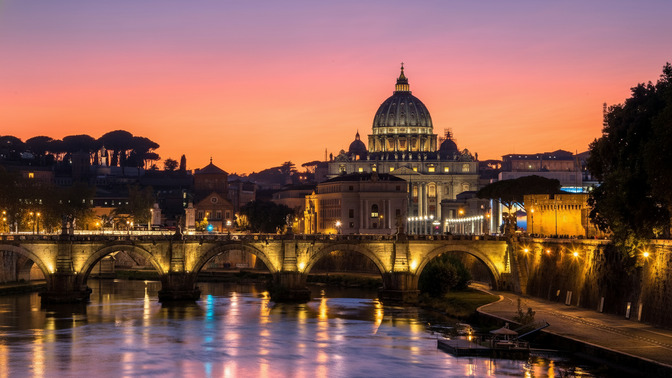
Rome Travel Guide: Everything You Need to Know for 2026
Your complete guide to visiting the Eternal City
Table of Contents
- Rome Overview
- Getting There & Around
- Top Attractions & Landmarks
- Neighborhoods & Districts to Explore
- Food & Dining
- Nightlife & Entertainment
- Shopping
- Seasonal Events & Festivals
- Accommodation Recommendations
- Practical Information
- Day Trips & Nearby Destinations
- Insider Tips & Hidden Gems
- Money-Saving Tips
- Common Tourist Mistakes to Avoid
- Sample Itineraries
- Frequently Asked Questions
1. Rome Overview
Rome is a living museum where ancient ruins stand next to Renaissance palaces and Baroque fountains. Every corner reveals layers of history spanning over 2,800 years, from the Colosseum’s gladiatorial past to the Vatican’s artistic treasures. The city pulses with Italian life as locals zip past monuments on Vespas and gather in piazzas for aperitivo.
Visitors come to Rome to walk through history, taste authentic Italian cuisine, and experience the dolce vita lifestyle. The city offers world-class museums, stunning architecture, incredible food, and a romantic atmosphere that captivates millions each year. Whether you’re tossing a coin in the Trevi Fountain or savoring cacio e pepe in a hidden trattoria, Rome delivers unforgettable experiences at every turn.
Rome does face challenges with overtourism, especially around major sites like the Colosseum and Vatican. Expect crowds during peak season and plan accordingly by booking tickets in advance and visiting popular attractions early in the morning. Despite the crowds, Rome’s magic remains undeniable, and strategic planning helps you enjoy the city’s treasures without feeling overwhelmed.
Best Time to Visit Rome
Spring (April-May): Spring brings perfect weather with temperatures ranging from 15-22°C (59-72°F) and blooming flowers throughout the city. This is peak tourist season with moderate to heavy crowds and higher prices. Easter celebrations add special atmosphere, but also bring massive crowds to the Vatican. Book accommodations and major attractions at least 2-3 months in advance for spring visits.
Summer (June-August): Summer can be brutally hot with temperatures often exceeding 35°C (95°F) and intense humidity. July and August see the heaviest crowds despite the heat, with long lines at major attractions and inflated prices. Many Romans leave the city in August for vacation, so some local restaurants and shops close. If visiting in summer, book everything well in advance, start sightseeing at 8 AM, take afternoon breaks, and carry water everywhere.
Fall (September-October): Fall offers the best combination of pleasant weather (18-25°C/64-77°F), fewer crowds than spring, and beautiful golden lighting perfect for photography. September still feels warm and summery, while October brings cooler evenings ideal for walking. Prices drop slightly compared to peak season, and Romans return from summer vacation, reopening neighborhood trattorias.
Winter (November-March): Winter is the quietest and most affordable time to visit Rome, with temperatures ranging from 8-15°C (46-59°F). Expect occasional rain and chilly evenings, but rarely snow. Crowds thin significantly except during Christmas and New Year’s when the city sparkles with holiday decorations. The Vatican and major museums have shorter lines, making this ideal for art enthusiasts. Pack layers and a rain jacket, and enjoy lower hotel rates and more authentic local atmosphere.
How Long to Stay in Rome
- 1-2 days: A quick visit allows you to hit the absolute highlights like the Colosseum, Roman Forum, Trevi Fountain, and Vatican Museums. This timeline feels rushed and you’ll miss the neighborhood charm and food culture that make Rome special, but it’s doable for a weekend escape.
- 3-4 days: Perfect for first-time visitors to see major sites without feeling overwhelmed. You’ll cover ancient Rome, the Vatican, Trastevere, and have time for leisurely meals and wandering through piazzas. This duration lets you experience both tourist highlights and authentic Roman life.
- 5-7 days: Ideal for deeper exploration of Rome’s museums, hidden churches, diverse neighborhoods, and day trips to places like Ostia Antica or Tivoli. You can explore at a comfortable pace, revisit favorite spots, take cooking classes, and truly immerse yourself in the Roman lifestyle.
- 1 week+: For Rome enthusiasts who want to explore every district, visit lesser-known museums, take multiple day trips, attend opera performances, and live like a local. This timeline allows you to discover underground Rome, explore the Appian Way, and find your own secret corners.
Quick Facts About Rome
- Population: 2.8 million in the city, 4.3 million in metro area
- Language: Italian (English widely spoken in tourist areas, less common in residential neighborhoods)
- Currency: Euro (€)
- Time Zone: Central European Time (CET/UTC+1, CEST/UTC+2 in summer)
- Country Code: +39
- Area Code: 06 (must dial even within Rome)
2. Getting There & Around
Airports Serving Rome
Leonardo da Vinci-Fiumicino Airport (FCO)
Via dell’Aeroporto di Fiumicino, 320, 00054 Fiumicino RM, Italy
Located 32 km southwest of Rome’s city center, Fiumicino is Italy’s largest airport serving major international airlines and the main gateway for most visitors. The airport has four terminals with extensive shopping and dining options.
Ciampino Airport (CIA)
Via Appia Nuova, 1651, 00040 Ciampino RM, Italy
Located 15 km southeast of the city center, Ciampino primarily serves budget airlines like Ryanair and Wizz Air. The airport is smaller with fewer amenities but closer to Rome, making it convenient despite limited facilities.
[AFFILIATE LINK: Find cheap flights to Rome – Skyscanner/Expedia]
Getting from Airport to City Center
From Fiumicino Airport (FCO)
Leonardo Express Train: €14 per person, 32 minutes non-stop to Roma Termini station. Trains run every 15 minutes from 6:23 AM to 11:23 PM. Buy tickets at machines in the terminal or online, and validate before boarding. This is the fastest and most reliable option.
FL1 Regional Train: €8 per person, 45-60 minutes to various Rome stations including Trastevere, Ostiense, and Termini. Trains run every 15-30 minutes. Cheaper than Leonardo Express but makes multiple stops. Ideal if your hotel is near one of these stations.
Taxi: €50 fixed rate to anywhere within the Aurelian Walls (historic center), 45-60 minutes depending on traffic. Official white taxis only, available outside arrivals. Fixed rates eliminate meter scams but insist on the legal tariff. Add €1 per bag and surcharges for night or Sunday travel.
Rideshare (Uber/FreeNow): €40-70 depending on time and surge pricing, 45-60 minutes. Uber operates in Rome with both UberX and higher-tier options. FreeNow app also books licensed taxis. Meet drivers at designated pickup areas following app instructions.
Airport Shuttle Buses: €6-8 per person, 55-70 minutes to Termini station. Multiple companies like Terravision and SIT operate regular services every 30-40 minutes. Cheapest option but slowest and subject to traffic delays.
From Ciampino Airport (CIA)
Airport Bus: €6-7 per person, 40 minutes to Termini station. Companies like Terravision and Atral run frequent services. Buy tickets at the airport or online and buses depart from directly outside arrivals.
Taxi: €30 fixed rate to city center, 30-40 minutes. Same rules as Fiumicino—use only official white taxis and confirm the fixed rate before starting.
Bus + Metro Combination: Take local bus to Anagnina or Ciampino metro stations (€1.50), then metro to center. Takes 60-90 minutes total but only costs €1.50. Only practical if traveling light.
[AFFILIATE LINK: Book airport transfers to Rome – GetYourGuide/Viator]
Getting Around Rome
Rome’s historic center is compact and walkable, but the city sprawls beyond with areas like Vatican City, Trastevere, and Testaccio requiring public transport or taxis. The metro system has only three lines but covers major tourist areas, while buses fill the gaps. Traffic is chaotic and parking nearly impossible, so avoid renting a car for Rome itself. Most visitors combine walking with occasional metro trips or taxis for longer distances.
Metro System
Rome has three metro lines—A (orange), B (blue), and C (green)—that intersect at Termini station. Line A serves Spanish Steps, Vatican, and Ottaviano. Line B reaches Colosseum and Circus Maximus. Line C is newer but less useful for tourists. Trains run 5:30 AM to 11:30 PM weekdays, until 1:30 AM Fridays and Saturdays. Stations are clean and safe, though pickpocketing occurs during rush hour.
Tickets & Passes:
- Single ride: €1.50 (100 minutes validity for unlimited transfers)
- 24-hour pass: €7
- 48-hour pass: €12.50
- 72-hour pass: €18
- 7-day pass: €24
- Monthly pass: €35 (for longer stays)
Buy tickets at metro stations, tabacchi shops (look for “T” signs), and newsstands. Tickets work on metro, buses, and trams. Always validate in yellow machines at station entrances or on buses. Ticket inspectors issue €50 fines for invalid tickets.
Buses & Trams
Rome’s bus network is extensive with routes covering areas the metro doesn’t reach. Buses run frequently during the day but become less reliable at night. Route maps are available at ATAC.roma.it and Google Maps works well for bus navigation. Express bus 40 connects Termini to Trastevere. Bus 64 runs from Termini to Vatican (watch for pickpockets). Tram 8 serves Trastevere and is scenic. Same tickets as metro, validate onboard in yellow machines.
Taxis & Rideshare
Official Roman taxis are white with “TAXI” signs and meter numbers on doors. Starting fare is €3 on weekdays, €4.50 on Sundays/holidays, €6.50 at night (10 PM-6 AM). Meter adds approximately €1.10 per kilometer plus €1 per bag. Hail taxis at designated stands (major piazzas, train stations) or book via app. Never accept rides from unofficial drivers approaching at airports or tourist sites.
Uber, FreeNow, and ItTaxi apps all work in Rome for booking official taxis or private rides. Uber tends to be slightly more expensive than regular taxis but offers price transparency upfront. All options accept credit cards unlike some traditional taxis.
Walking
Rome’s historic center is highly walkable with most major sites within 2-3 km of each other. Expect cobblestone streets, limited sidewalks in some areas, and seven hills that create moderate elevation changes. Walking from Spanish Steps to Colosseum takes about 35 minutes, Trevi Fountain to Pantheon takes 10 minutes. Comfortable walking shoes are essential as you’ll cover 10-15 km daily. Streets are generally safe for walking day and night in tourist areas.
Walkability Score: 85/100 for the historic center between Termini, Vatican, and Trastevere. Nearly everything is accessible on foot, though summer heat and crowds can make walking exhausting. Less walkable in outer neighborhoods where metro becomes necessary.
Biking
Rome is not particularly bike-friendly due to narrow streets, aggressive drivers, cobblestones, and hills. Few dedicated bike lanes exist outside parks. That said, biking along the Appian Way or in Villa Borghese gardens is pleasant. Bike rental shops near Termini and major piazzas charge €15-25 per day. Electric bikes help with hills. Only experienced urban cyclists should bike in Rome’s traffic.
Tourist Passes & Cards
Roma Pass: €32 (48-hour) or €52 (72-hour) includes free entry to first 1-2 museums (depending on pass), discounts at others, and unlimited public transport. Most valuable if visiting Colosseum (€18 saved) plus other sites. Buy online or at tourist offices and museums. Calculate if savings justify cost based on your planned visits.
Omnia Card: €113-159 includes Vatican Museums, Sistine Chapel, St. Peter’s Basilica audio guide, Colosseum priority access, hop-on-hop-off bus, and public transport. Only worthwhile if you want guided experiences and plan to use the tour bus. Standard tickets usually offer better value for independent travelers.
[DISPLAY AD PLACEHOLDER #1]
3. Top Attractions & Landmarks
[AFFILIATE LINK: Book skip-the-line tickets for Rome attractions – GetYourGuide/Viator]
Colosseum
Piazza del Colosseo, 1, 00184 Roma RM, Italy
The Colosseum is Rome’s most iconic monument and the largest amphitheater ever built, capable of holding 50,000 spectators. Constructed in 80 AD under Emperor Titus, this architectural marvel hosted gladiatorial contests, animal hunts, and mock naval battles. The partially ruined structure still impresses with its scale, engineering, and brutal history of entertainment.
Walking through the ancient corridors, you can almost hear the roar of crowds and clashing swords. The underground hypogeum reveals the elevator systems and cages that brought gladiators and beasts to the arena floor. Recent restorations have opened more areas to the public, including the upper tiers offering panoramic city views.
Why visit: The Colosseum represents the power and innovation of ancient Rome better than any other site. It’s a bucket-list experience that brings history to life, from imagining gladiatorial combat to understanding Roman engineering. The emotional impact of standing where emperors watched and gladiators fought is unforgettable, making this a must-see despite the crowds.
Entrance: €18 adults (includes Roman Forum and Palatine Hill, valid 24 hours), €2 reduced for EU citizens 18-25, free for under 18 (2025 prices)
Best time: First entry at 9 AM or last entry before closing
Hours: Daily 9 AM-7:15 PM (April-August), 9 AM-4:30 PM (November-February), varying hours other months
Vatican Museums & Sistine Chapel
Viale Vaticano, 00165 Roma RM, Italy
The Vatican Museums contain one of the world’s greatest art collections assembled by popes over five centuries. The complex includes 54 galleries covering 7 km featuring ancient Roman sculptures, Renaissance masterpieces, Egyptian mummies, and contemporary religious art. The journey culminates in Michelangelo’s breathtaking Sistine Chapel ceiling, depicting the Creation of Adam and the Last Judgment.
Highlights include the Gallery of Maps with 40 topographical maps of Italy, Raphael Rooms with stunning frescoes including The School of Athens, and the spiral staircase. The modern art section features works by Van Gogh, Gauguin, and Dalí. Collections span ancient Egyptian, Etruscan, Greek, and Roman art before leading to Renaissance treasures.
Why visit: This is the world’s most important collection of Christian art and Renaissance masterpieces. Seeing Michelangelo’s Sistine Chapel ceiling in person is a profound experience that no photograph can capture. The museums showcase human artistic achievement across millennia and offer context for understanding Western art history, religious iconography, and papal influence.
Entrance: €20 adults online, €17 on-site (much longer wait), €8 reduced, free last Sunday of month (extremely crowded) (2025 prices)
Best time: Wednesday afternoons when many visit papal audiences, or Friday evenings during extended hours (May-October)
Hours: Monday-Saturday 9 AM-6 PM (last entry 4 PM), Friday evenings until 10:30 PM in summer
St. Peter’s Basilica
Piazza San Pietro, 00120 Città del Vaticano, Vatican City
St. Peter’s Basilica is the world’s largest church and the spiritual center of Catholicism, built over the tomb of Saint Peter. The current Renaissance and Baroque structure was completed in 1626 after 120 years of construction involving architects including Bramante, Michelangelo, and Bernini. The massive dome, designed by Michelangelo, dominates Rome’s skyline and remains the tallest dome in the world.
Inside, Michelangelo’s Pietà (behind bulletproof glass) and Bernini’s bronze baldachin over the papal altar showcase Renaissance and Baroque mastery. The basilica holds 60,000 people and features stunning mosaics, marble, and gold decoration. Climbing the dome offers spectacular 360-degree views of Rome and Vatican City.
Why visit: Whether religious or not, St. Peter’s architectural grandeur and artistic treasures represent the peak of human creativity. The scale alone impresses, while the detailed artistry rewards close examination. Climbing the dome provides unparalleled city views and unique perspective on Renaissance architecture. Entry is free, making this an essential stop that offers tremendous value.
Entrance: Free for basilica, €10 elevator + stairs to dome or €8 stairs only (551 steps total) (2025 prices)
Best time: Late afternoon (4-5 PM) for shorter lines and beautiful light
Hours: Daily 7 AM-7 PM (April-September), 7 AM-6:30 PM (October-March), dome 8 AM-5 PM
Roman Forum & Palatine Hill
Via della Salara Vecchia, 5/6, 00186 Roma RM, Italy
The Roman Forum was ancient Rome’s political, commercial, and religious center where citizens gathered for elections, trials, and festivals. Walking through the ruins transports you to the heart of the Roman Republic and Empire, with temples, basilicas, and triumphal arches dating from 500 BC to 400 AD. The Forum’s ruins include the Temple of Saturn, Arch of Septimius Severus, and the Sacred Way where victorious generals paraded.
Adjacent Palatine Hill is where Rome was founded in 753 BC and where emperors built lavish palaces. The hill offers spectacular Forum views and ruins of imperial residences including the House of Augustus with preserved frescoes. The peaceful gardens contrast with the Forum’s tourist crowds below, and archaeological excavations continue revealing new discoveries.
Why visit: The Forum and Palatine Hill form the archaeological heart of ancient Rome, offering context for the entire Roman civilization. Unlike the Colosseum’s singular purpose, these sites reveal how Romans lived, governed, worshipped, and celebrated. The scale of the ruins and their historical significance make this essential for understanding Roman history and Western civilization’s foundations.
Entrance: €18 combined with Colosseum, valid 24 hours, free under 18 (2025 prices)
Best time: Early morning or late afternoon for better light and fewer crowds
Hours: Daily 9 AM-7 PM (summer), 9 AM-4:30 PM (winter), hours vary seasonally
Trevi Fountain
Piazza di Trevi, 00187 Roma RM, Italy
The Trevi Fountain is Rome’s largest and most famous fountain, standing 26 meters high and 49 meters wide. Completed in 1762, the Baroque masterpiece depicts Oceanus with sea horses representing calm and stormy seas. The fountain terminates the Aqua Virgo aqueduct, which has supplied Rome with water since 19 BC, making it both functional and decorative.
Legend says throwing a coin over your left shoulder ensures your return to Rome, and an estimated €3,000 in coins enters the fountain daily (donated to charity). The fountain was immortalized in films including “La Dolce Vita” and “Roman Holiday.” Recently restored, the white Travertine marble gleams against the golden palazzo backdrop, especially beautiful when illuminated at night.
Why visit: The Trevi Fountain represents Roman Baroque art at its most theatrical and is an absolute must-see despite crowds. The craftsmanship, scale, and dramatic setting create a magical atmosphere, especially at night. The tradition of coin-tossing connects you to millions of visitors’ wishes and dreams, making this a meaningful Rome ritual.
Entrance: Free
Best time: Early morning (6-7 AM) or late night (after 10 PM) to avoid massive crowds
Hours: Always accessible, illuminated until midnight
[DISPLAY AD PLACEHOLDER #2]
Pantheon
Piazza della Rotonda, 00186 Roma RM, Italy
The Pantheon is the best-preserved Roman building and an architectural marvel completed around 126 AD under Emperor Hadrian. The massive concrete dome remained the world’s largest unreinforced concrete dome for over 1,300 years, spanning 43 meters in diameter with a central oculus opening that provides the only light source. The perfect proportions create a sphere that would fit exactly within the building’s height and width.
Originally a temple to all Roman gods, the Pantheon was converted to a Christian church in 609 AD, which saved it from destruction. Inside, the coffered ceiling draws your eye upward to the oculus, which creates dramatic light effects throughout the day. The building houses the tombs of Italian kings and the artist Raphael, adding to its historical significance.
Why visit: The Pantheon demonstrates Roman engineering genius that still baffles modern architects. Standing beneath the oculus as sunlight streams through or watching rain fall through the opening is mesmerizing. The building’s perfect preservation lets you experience Roman architecture exactly as it appeared 2,000 years ago. Best of all, entry is free, making this a must-visit that combines history, architecture, and spiritual atmosphere.
Entrance: Free (2025 prices)
Best time: Early morning (9-10 AM) before crowds or rainy days to see water through the oculus
Hours: Monday-Saturday 9 AM-7 PM, Sunday 9 AM-6 PM
Spanish Steps
Piazza di Spagna, 00187 Roma RM, Italy
The Spanish Steps are a monumental stairway of 135 steps linking Piazza di Spagna with the Trinità dei Monti church above. Built in the 1720s with French funding, the steps got their name from the nearby Spanish Embassy. The elegant Baroque design features terraces and curves creating a theatrical setting that has made this Rome’s most popular meeting spot.
At the base sits the Fontana della Barcaccia, designed by Pietro Bernini (father of the famous Gian Lorenzo Bernini), shaped like a half-sunken boat. The steps have appeared in countless films, most notably “Roman Holiday” with Audrey Hepburn. Surrounding streets include Via Condotti with luxury boutiques like Gucci, Prada, and Bulgari.
Why visit: The Spanish Steps offer a quintessential Rome experience combining Baroque elegance, people-watching, and luxury shopping. The view from the top provides beautiful city panoramas, especially at sunset. The area’s energy, with street artists, tourists, and fashionable Romans, captures the essence of modern Roman life against a historic backdrop.
Entrance: Free
Best time: Early morning for photos or sunset for atmosphere
Hours: Always accessible
Borghese Gallery
Piazzale Scipione Borghese, 5, 00197 Roma RM, Italy
The Borghese Gallery houses one of Rome’s finest art collections in a stunning 17th-century villa. Cardinal Scipione Borghese assembled masterpieces including Bernini sculptures (Apollo and Daphne, The Rape of Proserpina), Caravaggio paintings (Boy with a Basket of Fruit, Madonna dei Palafrenieri), and works by Raphael and Titian. The collection spans ancient Roman mosaics to Renaissance and Baroque treasures.
Only 360 visitors are allowed every two hours, creating an intimate viewing experience unlike crowded Vatican Museums. The villa itself is a work of art with elaborately decorated ceilings, marble floors, and trompe l’oeil frescoes. The surrounding Villa Borghese gardens offer 80 hectares of peaceful green space perfect for post-museum strolling.
Why visit: This is Rome’s most rewarding museum experience for art lovers, offering world-class masterpieces without overwhelming crowds. Bernini’s sculptures demonstrate virtuoso marble carving that seems to bring stone to life. The intimate scale lets you appreciate each work’s details and craftsmanship. Advanced reservations required but absolutely worth planning around.
Entrance: €15 adults, €2 booking fee, €8.50 reduced (2025 prices)
Best time: First slot at 9 AM or last slot at 5 PM
Hours: Tuesday-Sunday 9 AM-7 PM, closed Mondays, entry every 2 hours starting at 9 AM
Castel Sant’Angelo
Lungotevere Castello, 50, 00193 Roma RM, Italy
Castel Sant’Angelo began as Emperor Hadrian’s mausoleum in 139 AD before being converted into a papal fortress connected to the Vatican by a secret elevated corridor. The cylindrical structure has served as a tomb, castle, prison, and now museum over its 2,000-year history. The fortress played crucial roles in Rome’s defense, including sheltering popes during the 1527 Sack of Rome.
Inside, you’ll explore ancient Roman chambers, Renaissance papal apartments with frescoes, medieval prison cells, and armory halls with historic weapons. The spiral ramp follows the ancient mausoleum’s internal structure. The rooftop terrace offers 360-degree Rome views including St. Peter’s dome, the Tiber River, and the historic center, making the climb worthwhile.
Why visit: Castel Sant’Angelo offers unique insights into Rome’s layered history spanning empire, papacy, and military power. The panoramic terrace views rival any in Rome, especially at sunset when the city glows golden. The building’s multiple historical incarnations tell fascinating stories often overlooked by tourists rushing between more famous sites.
Entrance: €15 adults, €2 reduced, free first Sunday of month (2025 prices)
Best time: Late afternoon for sunset views from the terrace
Hours: Tuesday-Sunday 9 AM-7:30 PM, closed Mondays
Piazza Navona
Piazza Navona, 00186 Roma RM, Italy
Piazza Navona follows the exact outline of the ancient Stadium of Domitian built in 86 AD for athletic competitions. The elongated baroque piazza features three fountains including Bernini’s masterpiece Fontana dei Quattro Fiumi (Fountain of the Four Rivers) representing the Nile, Ganges, Danube, and Rio de la Plata. The fountain’s theatrical sculptures and Egyptian obelisk create dramatic centerpiece surrounded by ochre-colored palaces.
The piazza has been Rome’s social heart for centuries, hosting markets, festivals, and public gatherings. Today cafes, street artists, and performers animate the space while Sant’Agnese in Agone church designed by Borromini provides architectural counterpoint to Bernini’s fountain. The festive atmosphere peaks during Christmas when holiday markets fill the square.
Why visit: Piazza Navona epitomizes Roman piazza culture where history, art, and daily life intersect. The baroque architecture and fountains create stunning beauty, while the lively atmosphere offers perfect people-watching over an espresso or aperitivo. The piazza’s theatrical quality makes you feel like you’re on a grand stage experiencing authentic Roman life.
Entrance: Free
Best time: Late afternoon/early evening for aperitivo hour energy
Hours: Always accessible
Campo de’ Fiori
Campo de’ Fiori, 00186 Roma RM, Italy
Campo de’ Fiori is Rome’s liveliest food market square, transformed from its dark history as an execution site (philosopher Giordano Bruno was burned here in 1600) into a vibrant marketplace. Every morning except Sunday, the piazza fills with colorful produce stalls, flower vendors, spice sellers, and local food purveyors offering fresh ingredients that Romans use for their kitchens. The market atmosphere is authentic and energetic.
By evening, Campo de’ Fiori morphs into a nightlife hub with bars, restaurants, and young crowds spilling into the square. Surrounding streets contain excellent trattorias, wine bars, and shops selling Italian delicacies. The bronze statue of Bruno in the center serves as a reminder of the square’s complex past.
Why visit: Campo de’ Fiori offers authentic Roman market culture where locals shop daily for fresh ingredients. The morning market provides great photos, people-watching, and opportunities to buy Italian specialty foods. The transformation from morning market to evening social scene demonstrates Rome’s vibrant neighborhood life beyond major monuments.
Entrance: Free
Best time: Morning (9-11 AM) for full market energy
Hours: Market Monday-Saturday 7 AM-2 PM, closed Sunday
Villa Borghese Gardens
Piazzale Napoleone I, 00197 Roma RM, Italy
Villa Borghese is Rome’s most beloved park, spanning 80 hectares of manicured gardens, winding paths, fountains, and museums. Created in 1605 for Cardinal Scipione Borghese, the English-style gardens offer peaceful escape from urban chaos with tree-lined avenues, hidden statues, and scenic overlooks. The park contains several museums including Borghese Gallery, Galleria Nazionale d’Arte Moderna, and the quirky Carlo Bilotti Museum.
Families enjoy the Bioparco zoo, puppet shows at Teatro dei Burattini, and rowboat rentals on the small lake. The Pincio Terrace provides spectacular sunset views over Piazza del Popolo to St. Peter’s dome. The park attracts joggers, picnickers, and Romans seeking green space, creating a local atmosphere rare in tourist-heavy areas.
Why visit: Villa Borghese offers free respite from monument-hopping with beautiful landscaping, cultural attractions, and local Roman life. Perfect for morning runs, afternoon picnics, or sunset strolls. Families with kids appreciate the playgrounds, zoo, and open space. The park lets you experience how Romans use public spaces for leisure.
Entrance: Free (museums charge separately)
Best time: Late afternoon for sunset at Pincio Terrace
Hours: Always open, most accessible from Piazzale Flaminio metro
4. Neighborhoods & Districts to Explore
Rome’s neighborhoods each have distinct personalities shaped by history, architecture, and local culture. From medieval Trastevere’s narrow lanes to Monti’s bohemian boutiques, exploring different districts reveals the city’s diversity beyond central monuments. Understanding neighborhood character helps you choose where to stay, eat, and spend your time based on your interests.
Trastevere
Character: Trastevere retains its working-class roots despite gentrification, with ivy-covered buildings, cobblestone alleys, and laundry hanging from windows. The neighborhood name means “across the Tiber” and it maintains a distinctly Roman atmosphere with local trattorias, artisan workshops, and vibrant street life. The area comes alive at night when Romans and visitors pack restaurants and bars.
What makes it special: Trastevere offers Rome’s most authentic neighborhood experience with excellent traditional restaurants, beautiful medieval churches including Santa Maria in Trastevere, and the best people-watching from piazza cafes. The area feels like a village within the city, with neighbors greeting each other and kids playing in squares. Sunday morning flea market at Porta Portese adds vintage shopping.
Best for: Foodies seeking authentic Roman cuisine, couples wanting romantic atmosphere, photographers drawn to photogenic streets, and anyone wanting to experience residential Rome beyond tourist circuits.
Must-see in this area: Basilica di Santa Maria in Trastevere with golden mosaics, Janiculum Hill for panoramic views, Villa Farnesina with Raphael frescoes, narrow Via della Scala for shopping, Piazza Santa Maria in Trastevere for evening aperitivo.
How to get there: Tram 8 from Piazza Venezia, bus H from Termini, or pleasant 20-minute walk across Ponte Sisto from Campo de’ Fiori
Location: Piazza Santa Maria in Trastevere, 00153 Roma RM, Italy
Monti
Character: Monti is Rome’s hipster neighborhood with bohemian boutiques, vintage shops, artisan studios, and trendy cafes. Once a working-class area, Monti has transformed into the city’s coolest district while maintaining authentic character. The area centers on charming Piazza della Madonna dei Monti where locals gather on fountain steps for evening socializing.
What makes it special: Monti perfectly balances tourist accessibility (near Colosseum) with local authenticity. Independent designers sell unique clothing and jewelry, wine bars serve natural wines, and restaurants offer modern takes on Roman classics. Weekend vintage market brings treasure hunters. The pedestrian-friendly streets encourage wandering and discovery.
Best for: Young travelers, creatives, shoppers seeking unique items, wine enthusiasts, anyone tired of tourist crowds and wanting neighborhood authenticity near major sites.
Must-see in this area: Via del Boschetto for boutique shopping, Piazza della Madonna dei Monti for aperitivo, Basilica di Santa Maria Maggiore with stunning mosaics, Via Panisperna for trendy restaurants, weekend vintage market on Via Leonina.
How to get there: Metro B to Cavour station, 5-minute walk from Colosseum
Location: Piazza della Madonna dei Monti, 00184 Roma RM, Italy
Testaccio
Character: Testaccio remains one of Rome’s most authentically Roman neighborhoods, largely tourist-free and working-class. The area grew around ancient Rome’s river port and later became Rome’s slaughterhouse district, giving rise to distinctive cuisine using offal. Today it’s a food lover’s paradise with traditional trattorias, excellent markets, and nightlife scene centered around former industrial spaces.
What makes it special: Testaccio offers genuine Roman cuisine without tourist inflation, including the city’s best cacio e pepe, carbonara, and coda alla vaccinara. The morning market (Mercato di Testaccio) showcases local food culture. Monte Testaccio, an artificial hill made from ancient broken pottery amphoras, adds archaeological interest. Nightlife thrives in converted warehouses and clubs.
Best for: Serious foodies, budget travelers seeking value, culture enthusiasts wanting authentic Roman experience, night owls drawn to club scene, anyone wanting to escape tourist areas.
Must-see in this area: Mercato di Testaccio for food shopping and lunch, Flavio al Velavevodetto for traditional Roman dishes, Monte Testaccio archaeological site, MACRO Testaccio contemporary art museum, Protestant Cemetery with Keats’ tomb.
How to get there: Metro B to Piramide station, then 5-minute walk
Location: Via Galvani, Mercato di Testaccio, 00153 Roma RM, Italy
Prati
Character: Prati is an elegant residential neighborhood near the Vatican with wide tree-lined streets, art nouveau buildings, and upscale shops. The area was developed in the late 19th century with rational urban planning creating a grid pattern unusual for Rome. Prati feels refined and sophisticated with well-heeled locals frequenting gourmet food shops and refined restaurants.
What makes it special: Prati offers proximity to Vatican without tourist chaos once you move a few blocks from St. Peter’s. Via Cola di Rienzo provides excellent shopping from international chains to Italian boutiques. The neighborhood has Rome’s best food shops including Castroni for international products and Franchi for prepared foods. Less touristy restaurants serve business lunches to locals.
Best for: Families wanting safe, quiet neighborhood near Vatican, foodies shopping for gourmet ingredients, visitors seeking upscale but authentic experience, anyone wanting to stay near Vatican without tourist traps.
Must-see in this area: Via Cola di Rienzo for shopping, Castel Sant’Angelo (technically borders the neighborhood), Mercato Trionfale food market, Ponte Milvio historic bridge, excellent gelato at Gelateria dei Gracchi.
How to get there: Metro A to Lepanto or Ottaviano stations
Location: Via Cola di Rienzo, 00192 Roma RM, Italy
Jewish Ghetto
Character: The Jewish Ghetto preserves Rome’s Jewish community history dating back over 2,000 years, with ancient ruins, synagogues, and kosher restaurants concentrated in a few atmospheric blocks. The area was enclosed by walls from 1555 to 1870, forcing Jewish Romans into cramped conditions. Today it’s a historically significant neighborhood with excellent Jewish-Roman cuisine and beautiful streets along the Tiber.
What makes it special: The Ghetto offers unique Jewish-Roman fusion cuisine including fried artichokes (carciofi alla giudia), baccalà, and kosher dishes found nowhere else. The Great Synagogue’s museum tells Italian Jewish history. The neighborhood blends ancient Roman ruins (Theatre of Marcellus, Portico d’Ottavia) with medieval streets and Jewish cultural sites, creating layers of history in compact area.
Best for: History enthusiasts, foodies seeking unique Roman-Jewish cuisine, culture travelers interested in Jewish heritage, photographers attracted to atmospheric streets and ancient ruins.
Must-see in this area: Great Synagogue and Jewish Museum, Portico d’Ottavia ruins, Ba’Ghetto for kosher food, Via del Portico d’Ottavia for restaurant browsing, Isola Tiberina (Tiber Island) nearby.
How to get there: Tram 8 to Largo di Torre Argentina, then 5-minute walk, or walk from Campo de’ Fiori
Location: Via del Portico d’Ottavia, 00186 Roma RM, Italy
Aventino
Character: Aventine Hill is Rome’s most peaceful and aristocratic neighborhood with grand villas, beautiful gardens, and stunning views. One of Rome’s seven hills, Aventino maintains a quiet, exclusive atmosphere with tree-lined streets and minimal traffic. The area feels worlds away from tourist chaos despite proximity to ancient sites like Circus Maximus.
What makes it special: Aventino offers the famous Keyhole of Rome at the Knights of Malta headquarters, where St. Peter’s dome perfectly frames through the keyhole—one of Rome’s most Instagram-worthy spots. The Orange Garden (Giardino degli Aranci) provides stunning sunset views over the city. Ancient churches including Santa Sabina showcase early Christian architecture in peaceful settings away from crowds.
Best for: Romantic couples, photographers seeking unique views, travelers wanting peaceful escape, architecture enthusiasts interested in early Christian churches, anyone seeking hidden Rome away from tourist masses.
Must-see in this area: Knights of Malta keyhole view, Giardino degli Aranci at sunset, Basilica di Santa Sabina, Rose Garden (Roseto Comunale) in spring, views from Aventine Hill over Circus Maximus.
How to get there: Metro B to Circo Massimo, then uphill walk, or bus 118 from Colosseum
Location: Piazza dei Cavalieri di Malta, 00153 Roma RM, Italy
Centro Storico (Historic Center)
Character: Centro Storico encompasses the heart of Renaissance and Baroque Rome with the Pantheon, Piazza Navona, Campo de’ Fiori, and winding medieval streets packed with monuments, churches, and palaces. This is tourist central with crowds, but also where Rome’s theatrical beauty concentrates. Every corner reveals fountains, sculptures, and architectural masterpieces from multiple centuries.
What makes it special: Centro Storico delivers the classic Rome postcard experience with highest concentration of monuments, fountains, and piazzas. The area is entirely pedestrian-friendly with stunning sights around every turn. Despite tourist crowds, early mornings and evenings reveal the neighborhood’s magic when locals reclaim the streets for their passeggiata (evening stroll).
Best for: First-time visitors wanting to be in the heart of everything, history buffs, couples seeking romantic atmosphere, anyone who prioritizes walking to major sites over authentic neighborhood life.
Must-see in this area: Pantheon, Piazza Navona, Campo de’ Fiori, Trevi Fountain, countless churches and palaces, gelato shops, artisan boutiques in side streets.
How to get there: Multiple bus lines from Termini, walk from Colosseum area (20-30 minutes), or various metro stops on periphery
Location: Piazza della Rotonda (Pantheon), 00186 Roma RM, Italy
5. Food & Dining
Roman cuisine is deceptively simple, relying on quality ingredients, precise technique, and centuries of tradition. The city’s food culture centers on five iconic pasta dishes, offal-based secondi piatti, and fresh local produce. Romans take their food seriously with strong opinions about proper preparations, and eating well here means understanding the difference between tourist traps and authentic trattorias.
Must-Try Local Dishes & Specialties
- Cacio e Pepe – The ultimate minimalist pasta with only three ingredients: tonnarelli or rigatoni, Pecorino Romano cheese, and black pepper. The challenge lies in creating a creamy sauce through technique alone without cream. When done right, it’s silky perfection that coats every strand.
- Carbonara – Guanciale (cured pork jowl), egg yolks, Pecorino Romano, and black pepper create this rich Roman classic. Never with cream, never with bacon, never with peas. The sauce forms from egg emulsified with pasta water and pork fat, requiring perfect timing to avoid scrambled eggs.
- Amatriciana – Bucatini pasta with tomato sauce, guanciale, Pecorino, and chili flakes. This dish originated in Amatrice (near Rome) and represents Roman cucina povera (peasant cooking) elevated to perfection. The sauce should coat the hollow bucatini perfectly.
- Gricia – Essentially carbonara without eggs—pasta with guanciale, Pecorino, and black pepper. This is cacio e pepe’s meatier cousin and carbonara’s simpler ancestor. The rendered guanciale fat creates the sauce that clings to rigatoni or bucatini.
- Carciofi alla Romana – Whole artichokes braised with garlic, mint, and olive oil until tender. This traditional Roman dish appears in spring when artichokes are in season. The artichoke’s leaves become soft enough to eat entirely, flavored delicately with herbs.
- Carciofi alla Giudia – Jewish-Roman fried artichokes, flattened and deep-fried until crispy like a golden flower. A specialty of the Jewish Ghetto, these artichokes are fried twice for maximum crispiness and seasoned simply with salt. Eat the entire artichoke, leaves and all.
- Saltimbocca alla Romana – Veal cutlets topped with prosciutto and sage, cooked in white wine and butter. The name means “jumps in the mouth” describing how quickly you’ll devour it. The prosciutto-sage combination is quintessentially Roman.
- Coda alla Vaccinara – Oxtail stewed for hours with tomato, celery, and white wine until fall-off-the-bone tender. This classic cucina povera dish originated in Testaccio’s slaughterhouse district. The rich, gelatinous sauce showcases Roman mastery of offal cooking.
- Supplì – Fried rice balls with tomato sauce and mozzarella center that stretches when you bite into it (creating a “telephone cord” effect). These are Rome’s answer to arancini, best enjoyed as street food or aperitivo snacks. The crispy exterior gives way to creamy risotto.
- Porchetta – Whole roasted pork seasoned with rosemary, garlic, and fennel. While not exclusive to Rome, porchetta sandwiches from market stalls are a Roman lunch staple. The meat should be succulent with crispy, herbed skin providing textural contrast.
- Maritozzo – Soft brioche buns filled with whipped cream, traditionally eaten for breakfast. These sweet treats are experiencing a renaissance in Rome’s bakeries. The cream-to-bread ratio should be generous, making them indulgent morning pastries.
Restaurant Recommendations by Budget
Budget-Friendly (Under €15 per meal)
- Trapizzino – Via Giovanni Branca, 88, 00153 Roma RM, Italy – Innovative “pizza pockets” stuffed with traditional Roman dishes like coda alla vaccinara or chicken cacciatore for €4-6 each. Perfect quick lunch, extremely popular with locals, multiple locations around Rome.
- Mercato Centrale Roma – Via Giovanni Giolitti, 36, 00185 Roma RM, Italy (Termini Station) – Food hall with various vendors serving pasta, pizza, meat, seafood, and desserts at counter-service prices (€8-12 meals). Great for groups with different tastes, open until midnight.
- Forno Campo de’ Fiori – Piazza Campo de’ Fiori, 22, 00186 Roma RM, Italy – Legendary bakery making pizza bianca, pizza rossa, and filled focaccia for €3-5 per slice. Locals line up daily, eat standing outside, fresh from the oven throughout the day.
- Pizzeria Ostiense – Via Ostiense, 56, 00154 Roma RM, Italy – Authentic Roman pizza al taglio (by the slice) with creative toppings for €3-4 per slice. Thick, fluffy crust, generous toppings, order by weight, takeaway or eat at small tables.
- Suppli Roma – Via di San Francesco a Ripa, 137, 00153 Roma RM, Italy (Trastevere) – Specializes in supplì with creative fillings beyond classic tomato-mozzarella for €2-3 each. Try multiple varieties, perfect street food, pairs with beer.
Mid-Range (€15-40 per meal)
- Flavio al Velavevodetto – Via di Monte Testaccio, 97, 00153 Roma RM, Italy – Testaccio institution serving perfect carbonara, amatriciana, and offal dishes in casual atmosphere. Locals fill this place nightly, reservations essential, incredibly consistent quality for reasonable prices (€12-18 pasta, €15-25 secondi).
- Da Enzo al 29 – Via dei Vascellari, 29, 00153 Roma RM, Italy (Trastevere) – Tiny trattoria with exceptional traditional Roman dishes using top-quality ingredients. Extremely popular requiring reservations weeks ahead, intimate atmosphere, daily changing menu based on market availability (€12-16 pasta, €18-28 mains).
- Trattoria Monti – Via di San Vito, 13, 00185 Roma RM, Italy – Family-run restaurant specializing in Marche region cuisine alongside Roman classics. Excellent wine list, sophisticated yet relaxed, perfect pasta, memorable desserts (€14-18 pasta, €20-30 secondi).
- Armando al Pantheon – Salita de’ Crescenzi, 31, 00186 Roma RM, Italy – Historic trattoria steps from Pantheon serving traditional recipes since 1961. Tourist-friendly location but maintains local quality and prices, extensive menu of Roman classics, friendly service (€14-20 pasta, €22-35 mains).
- Cesare al Casaletto – Via del Casaletto, 45, 00151 Roma RM, Italy – Worth the trip to residential neighborhood for exceptional carbonara and other Roman pasta. Unpretentious atmosphere, generous portions, beloved by food critics and locals, requires reservation (€12-16 pasta, €18-26 secondi).
Fine Dining (€40+ per meal)
- La Pergola – Via Alberto Cadlolo, 101, 00136 Roma RM, Italy – Rome’s only 3-Michelin-star restaurant atop Rome Cavalieri hotel with spectacular views. Chef Heinz Beck creates innovative Italian cuisine, extensive wine cellar, formal dress required, reservations months ahead (tasting menu €250-350, wine pairings €120-200).
- Il Pagliaccio – Via dei Banchi Vecchi, 129, 00186 Roma RM, Italy – 2-Michelin-star restaurant offering creative Italian-Asian fusion in intimate 25-seat space. Chef Anthony Genovese combines Italian technique with Asian flavors, impeccable service, artistic presentations (tasting menu €150-220).
- Pipero – Corso Vittorio Emanuele II, 250, 00186 Roma RM, Italy – 1-Michelin-star modern Italian cuisine using seasonal ingredients. Sophisticated atmosphere, creative presentations, excellent wine program, refined versions of traditional dishes (à la carte €50-80 per person, tasting menu €120-150).
Food Markets & Street Food
Mercato di Testaccio – Via Galvani, 00153 Roma RM, Italy – Monday-Saturday 7 AM-2 PM – Rome’s best authentic food market with produce, meat, fish, cheese vendors plus excellent lunch counters serving fresh pasta, seafood, and traditional dishes for €8-15. Try Mordi e Vai for trippa sandwich or Da Sergio for pasta.
Campo de’ Fiori Market – Piazza Campo de’ Fiori, 00186 Roma RM, Italy – Monday-Saturday 7 AM-2 PM – More touristy but still functioning market with produce, spices, and prepared foods. Great for photos and souvenir shopping, but prices higher than Testaccio. Buy picnic supplies for lunch in nearby piazzas.
Mercato Trionfale – Via Andrea Doria, 00192 Roma RM, Italy – Monday-Saturday 7 AM-2 PM – Covered market in Prati neighborhood serving locals with the best prices and quality. Less touristy than Campo de’ Fiori, excellent cheese and cured meat selection, prepared food counters for quick lunch.
Dining Customs & Etiquette
Meal times: Romans eat late by international standards. Lunch runs 1-3 PM with many restaurants closed outside these hours. Dinner starts 8-9 PM, arriving at 6 PM marks you as a tourist. Many kitchens close by 11 PM even if the restaurant stays open later for drinks.
Tipping: Service charge (coperto) of €1-3 per person covers bread and table. Additional tipping is optional—round up to nearest €5-10 or leave 5-10% for exceptional service. Romans rarely tip more. Never tip in cash if paying by card without asking if they can accept cash tip.
Reservations: Essential for popular restaurants, especially Da Enzo, Flavio, and any fine dining. Book 1-2 weeks ahead for mid-range places, 1-2 months for top restaurants. Many trattorias don’t take reservations—arrive right at opening (1 PM lunch, 7:30 PM dinner) to guarantee a table.
Dress code: Smart casual works everywhere except 3-Michelin-star La Pergola requiring jacket for men. Avoid beachwear, athletic wear, and flip-flops at nicer restaurants. Romans dress well for dining out, so make an effort to blend in.
[AFFILIATE LINK: Book food tours in Rome – GetYourGuide/Viator]
6. Nightlife & Entertainment
Roman nightlife is sophisticated and social rather than wild clubbing. The evening starts with aperitivo (pre-dinner drinks with snacks) around 6-8 PM, followed by late dinner, then drinks or dancing extending until 2-3 AM. Romans prioritize quality cocktails, good wine, and conversation in beautiful settings over crowded dance floors. Summer brings nightlife to outdoor spaces along the Tiber, while winter concentrates activity in bars and clubs.
Best Areas for Nightlife
- Trastevere: Piazza Santa Maria in Trastevere and surrounding streets, 00153 Roma RM, Italy – The most concentrated nightlife with bars, pubs, and restaurants packed with international students and young Romans. Lively, sometimes rowdy atmosphere, outdoor seating everywhere, continues until late.
- Testaccio: Via Galvani area, 00153 Roma RM, Italy – Rome’s clubbing district with venues in former slaughterhouse spaces. Electronic music, live concerts, serious nightlife crowd, busiest Thursday-Saturday nights, mix of locals and visitors.
- Monti: Via del Boschetto and Piazza della Madonna dei Monti, 00184 Roma RM, Italy – Hipster bars and wine bars with craft cocktails, natural wines, and sophisticated crowd. Quieter than Trastevere, better for conversation, excellent aperitivo spots.
- San Lorenzo: Via dei Sabelli area, 00185 Roma RM, Italy – University district with student bars, live music venues, affordable drinks. Young, energetic crowd, somewhat gritty but authentic, diverse options from dive bars to cocktail lounges.
Bars & Pubs
- Freni e Frizioni – Via del Politeama, 4, 00153 Roma RM, Italy (Trastevere) – Former mechanic shop converted to trendy bar with excellent aperitivo buffet (€8-10 drinks include generous food spread). Outdoor seating, young crowd, creative cocktails, arrive by 7 PM for space.
- Drink Kong – Vico Palle, 15, 00186 Roma RM, Italy – Ultra-modern cocktail bar with futuristic Asian-inspired decor near Trevi Fountain. Inventive cocktails (€12-15), DJ sets, stylish crowd, small space fills quickly, reservations recommended on weekends.
- Jerry Thomas Speakeasy – Vicolo Cellini, 30, 00186 Roma RM, Italy – Hidden speakeasy requiring password (check their website/social media) for entry. Expertly crafted cocktails (€12-15), vintage atmosphere, limited seating, serious mixology, reservations essential.
- Ma Che Siete Venuti a Fà – Via Benedetta, 25, 00153 Roma RM, Italy (Trastevere) – Tiny pub with exceptional craft beer selection (over 15 taps, bottles from around world). Standing room only, knowledgeable staff, beer enthusiasts’ paradise, €5-8 pints.
- Il Baretto – Via Garibaldi, 27, 00153 Roma RM, Italy – Classy cocktail bar with expertly mixed drinks (€10-12) and refined atmosphere. Well-dressed crowd, excellent wine selection, perfect for date night, quieter than typical Trastevere bars.
Clubs & Dancing
- Goa – Via Giuseppe Libetta, 13, 00154 Roma RM, Italy (Testaccio) – Rome’s premier electronic music club in former slaughterhouse. International DJs, massive dance floor, €15-20 cover with drink, dress code enforced, Thursday-Saturday busiest.
- Akab – Via di Monte Testaccio, 69, 00153 Roma RM, Italy – Multi-room club with different music genres (electronic, hip-hop, indie). €10-15 cover, younger crowd, frequent live concerts, outdoor cave area built into ancient pottery mount.
- Shari Vari Playhouse – Via di Torre Argentina, 78, 00186 Roma RM, Italy – Small club with eclectic music from electronic to indie rock. Intimate dance floor, €10-12 cover with drink, unpretentious crowd, weekend parties extend to 4 AM.
Live Music & Shows
- Auditorium Parco della Musica – Viale Pietro de Coubertin, 30, 00196 Roma RM, Italy – Renzo Piano-designed concert hall hosting classical, jazz, pop, and world music. Home to Accademia Nazionale di Santa Cecilia orchestra, varied programming, tickets €20-100, book online.
- Alexanderplatz Jazz Club – Via Ostia, 9, 00192 Roma RM, Italy – Rome’s premier jazz venue with nightly live performances. Intimate setting, €10-15 cover with drink, dinner available, reservation recommended, musicians include Italian and international artists.
- Teatro dell’Opera di Roma – Piazza Beniamino Gigli, 1, 00184 Roma RM, Italy – Rome’s opera house presenting opera, ballet, and concerts. Season runs September-June, summer productions at Baths of Caracalla, tickets €20-200, dress appropriately.
Cultural Performances
Opera at Terme di Caracalla offers unforgettable summer experience with performances in ancient Roman bath ruins. Ballet and opera under stars with ruins as backdrop create magical atmosphere. Season runs July-August, tickets €25-150, arrive early to explore site. Teatro Argentina presents classic and contemporary theater (Italian language). Silvano Toti Globe Theatre in Villa Borghese performs Shakespeare June-September.
Family-Friendly Evening Entertainment
Trevi Fountain at night provides free spectacular illuminated view. Villa Borghese puppet shows at Teatro dei Burattini delight kids on weekends (€7, Italian language but visual comedy translates). Gelato crawl through Centro Storico comparing Rome’s best gelaterias makes perfect family evening activity. Piazza Navona street performers and artists entertain kids without charge.
7. Shopping
Best Shopping Districts
- Via dei Condotti & Piazza di Spagna: Piazza di Spagna, 00187 Roma RM, Italy – Rome’s luxury shopping district with Gucci, Prada, Valentino, Bulgari, and other high-end Italian and international brands. Window shopping even if not buying, beautiful architecture, extremely expensive (€500-5000+ items).
- Via del Corso: Via del Corso, 00186 Roma RM, Italy – Long pedestrian street with mid-range international chains (Zara, H&M, Mango) and Italian brands. Crowded with shoppers and tourists, affordable prices (€20-200), connects Piazza del Popolo to Piazza Venezia.
- Via Cola di Rienzo: Via Cola di Rienzo, 00192 Roma RM, Italy (Prati) – Upscale shopping street with Italian boutiques, department stores, and gourmet food shops. Less touristy than Via Condotti, better prices, mix of fashion, home goods, and specialty stores.
- Monti Vintage District: Via del Boschetto, 00184 Roma RM, Italy – Independent boutiques, vintage shops, artisan workshops, and designer studios. Unique finds, locally designed clothing and jewelry, weekend vintage market, prices €30-300 for special pieces.
Markets
Porta Portese Flea Market – Via Portuense and Via Ippolito Nievo, 00153 Roma RM, Italy – Sunday 7 AM-2 PM – Rome’s massive flea market with antiques, vintage clothing, books, records, and random treasures. Bargaining expected, watch for pickpockets, arrive early for best selection, cash only, quality varies wildly.
Mercato Monti – Via Leonina, 46, 00184 Roma RM, Italy – Saturday-Sunday 10 AM-8 PM – Curated vintage and artisan market with clothing, accessories, art, and design objects. Higher quality than Porta Portese, reasonable prices, local designers and makers, relaxed browsing atmosphere.
Borghetto Flaminio – Piazza della Marina, 00196 Roma RM, Italy – Sunday 9 AM-7 PM – Covered flea market near Piazza del Popolo with antiques, vintage items, collectibles. Smaller than Porta Portese, easier to navigate, more serious antique hunters, negotiable prices.
What to Buy – Local Products & Souvenirs
- Leather Goods – Italian leather bags, wallets, belts from artisan shops in Monti and around Piazza Navona. Quality varies tremendously—expect €80-300 for genuine leather handbags, avoid cheap €20 street vendor bags (fake leather). Look for “Made in Italy” labels and check stitching quality.
- Ceramics & Pottery – Hand-painted plates, bowls, and decorative pieces in traditional Italian designs. Shop at Via dei Cestari near Pantheon or artisan studios in Trastevere. Authentic pieces €30-200 depending on size, carefully packed for travel.
- Food Products – Pasta (De Cecco, Barilla), olive oil (Lazio region extra virgin), Pecorino Romano cheese (vacuum-sealed), jarred pesto, dried porcini mushrooms, and Italian coffee. Buy at Castroni (Via Cola di Rienzo), Volpetti (Testaccio), or food markets. Prices €5-30 per item.
- Wine – Lazio region wines especially Est! Est!! Est!!! and Frascati whites, plus Italian wines from other regions. Buy at enoteche (wine shops) like Trimani or Buccone with expert staff. Bottles €10-50, pack carefully or arrange shipping.
- Religious Items – Rosaries, saints’ medals, crosses, and religious artwork from shops near Vatican. Via della Conciliazione has numerous Catholic souvenir shops. Prices €5-100, blessed by Pope items available, meaningful gifts for religious family.
- Paper Products – Marbled paper notebooks, journals, and stationery from artisan paper shops near Pantheon. Antica Cartoleria produces beautiful handmade paper goods. Prices €15-80, unique designs, lightweight for packing.
Shopping Hours & Customs
Typical shopping hours are Monday-Saturday 10 AM-7:30 PM with afternoon closure (chiusura) 1-3:30 PM in smaller shops. Sunday most shops closed except Via del Corso chains and tourist area souvenir shops. August many independent boutiques close for vacation. Sales (saldi) occur January-February and July-August with discounts up to 50-70%.
VAT refunds available for non-EU residents on purchases over €155 at participating stores. Request tax-free forms at purchase, get stamped at airport customs before departure, receive refund via credit card or cash. Bargaining acceptable at flea markets and some artisan shops, but not in boutiques or chain stores.
8. Seasonal Events & Festivals
Rome celebrates its Catholic heritage, artistic traditions, and contemporary culture through festivals year-round. Religious events dominate the calendar, especially Easter when the Pope leads ceremonies at St. Peter’s. Summer brings outdoor concerts and cinema, while fall and spring host cultural festivals. Understanding event schedules helps you either plan around major crowds or specifically attend celebrations that interest you.
Annual Events Calendar
| Month/Season | Event Name | Description |
|---|---|---|
| January | Epiphany & Befana | January 6 celebrates the Epiphany when the witch Befana delivers candy to children. Piazza Navona hosts festival with market stalls, sweets vendors, and Befana performers. Family-friendly tradition, festive atmosphere, lots of candy for kids. |
| February | Carnevale | Pre-Lenten celebration leading up to Ash Wednesday with parades, costumes, and parties. Less elaborate than Venice Carnevale but still fun with children’s activities in piazzas, traditional fried treats, smaller neighborhood celebrations throughout the city. |
| March-April | Easter Week (Settimana Santa) | Major religious celebrations culminating in Easter Sunday mass at St. Peter’s with papal blessing. Good Friday procession from Colosseum to Palatine Hill with Stations of the Cross led by Pope. Massive crowds, book accommodations 6+ months ahead, deeply moving ceremonies. |
| April | Rome’s Birthday (Natale di Roma) | April 21 celebrates Rome’s legendary founding in 753 BC with historical reenactments, gladiator shows, parades in ancient costume near Circus Maximus. Free events, fireworks, archaeological sites open with special programs, locals dress as ancient Romans. |
| May | Concorso Ippico (International Horse Show) | Prestigious equestrian competition at Piazza di Siena in Villa Borghese gardens. Elite riders from around world, show jumping, beautiful setting, free admission to grounds, competition days require tickets. |
| June | Republic Day | June 2 celebrates Italian Republic with military parade down Via dei Fori Imperiali, President attending, government buildings open to public. Patriotic atmosphere, Italian flags everywhere, official holiday with most businesses closed. |
| June-September | Estate Romana (Roman Summer) | Umbrella festival encompassing concerts, cinema, theater, and cultural events across outdoor venues citywide. Programming includes opera at Terme di Caracalla, jazz concerts, outdoor film screenings in parks and piazzas, dance performances. Most events €10-50. |
| July | Lungo il Tevere | Summer festival along Tiber river banks with temporary bars, restaurants, markets, live music, and dancing. Runs June-September, free entry, pay for food/drinks, outdoor cinema, artisan markets, perfect warm evening atmosphere. |
| July-August | Opera at Caracalla | Rome Opera performs in spectacular ancient Roman bath ruins. Iconic summer cultural experience, incredible acoustics and setting, productions include Aida, Carmen, other classics. Tickets €25-150, book months ahead for popular shows. |
| September | RomaEuropa Festival | Contemporary performing arts festival with avant-garde theater, dance, music, and multimedia performances. International artists, cutting-edge productions, various venues, September-November, tickets €10-40. |
| October | Rome Film Fest | International film festival at Auditorium Parco della Musica with premieres, retrospectives, and industry events. Red carpet events, some public screenings, celebrity sightings, tickets €8-15 for public screenings, October-November. |
| November | All Saints’ Day & Day of the Dead | November 1-2 sees Romans visiting cemeteries with flowers to honor deceased relatives. Monumental Cemetery of Verano becomes destination, chrysanthemums everywhere, reflective atmosphere, religious services at churches, official holiday. |
| December | Christmas Season | Rome transforms with elaborate nativity scenes (presepi) at churches, Christmas markets at Piazza Navona, spectacular lights on Via del Corso. Midnight mass at St. Peter’s (requires advance tickets), festive atmosphere throughout month, New Year’s Eve fireworks at Circus Maximus. |
Booking Considerations During Festival Periods
Easter Week brings the city’s highest hotel prices and smallest availability—book 4-6 months ahead for rooms under €200/night. Christmas and New Year’s also see price spikes with minimum 3-4 night stays required. Summer cultural festival periods don’t significantly raise prices since Italian families vacation in August, creating availability despite events. April’s Natale di Roma and June’s Republic Day are one-day events causing less accommodation pressure.
9. Accommodation Recommendations
Rome offers accommodations from budget hostels to luxury palazzos, with neighborhoods dramatically affecting your experience. Location determines daily walking, public transport needs, and evening atmosphere. Peak season (April-October) sees prices double compared to winter. Three-star hotels average €120-180, four-star hotels €180-300, five-star hotels €300-600+ per night in 2025. Apartments and vacation rentals provide value for families or longer stays.
Best Neighborhoods to Stay
| Neighborhood | Vibe | Price Range (per night) | Best For |
|---|---|---|---|
| Centro Storico (Historic Center) | Tourist central, monuments everywhere, charming streets | €150-400 | First-time visitors, couples, anyone wanting to walk to major sites |
| Trastevere | Bohemian, lively nightlife, authentic Roman character | €100-250 | Foodies, night owls, young travelers, anyone seeking neighborhood atmosphere |
| Monti | Hipster, boutique shops, trendy restaurants, near Colosseum | €120-280 | Design-conscious travelers, shoppers, couples, proximity to ancient Rome |
| Prati (Vatican Area) | Upscale residential, quiet at night, near Vatican | €90-220 | Families, Vatican visitors, anyone wanting less touristy neighborhood with good transport |
| Termini Station Area | Budget-friendly, convenient transport, sketchy at night | €60-150 | Budget travelers, short stays, anyone prioritizing transport connections over atmosphere |
| Testaccio | Authentic Roman, food-focused, residential, nightlife on weekends | €80-180 | Foodies, budget-conscious travelers, anyone wanting genuine Roman experience away from tourists |
| Aventino | Quiet, upscale, residential, peaceful, limited nightlife | €100-250 | Couples seeking romance, travelers wanting tranquility, anyone escaping tourist crowds |
Pros & Cons of Each Area
Centro Storico:
Pros: Walking distance to Pantheon, Trevi, Navona, Campo de’ Fiori. Stunning architecture everywhere, excellent restaurants and cafes, atmospheric evening strolls, no need for public transport.
Cons: Most expensive neighborhood, crowded with tourists day and night, limited local life, cobblestone streets with rolling luggage is challenging, noise from nightlife and early morning deliveries.
Trastevere:
Pros: Authentic Roman atmosphere, excellent food scene, beautiful medieval streets, vibrant nightlife, local markets, less touristy than Centro Storico despite popularity.
Cons: Nighttime noise from bars and restaurants until 2 AM, some streets difficult to navigate with luggage, requires crossing river to reach most monuments, fewer hotel options than other areas.
Monti:
Pros: Walking distance to Colosseum and Forum, trendy shops and cafes, authentic neighborhood feel, excellent restaurants, metro access, quieter than Centro Storico.
Cons: Small cobblestone streets challenging with luggage, hills require uphill walking, limited large hotels, some areas feel isolated at night, pricey for what you get.
Prati:
Pros: Near Vatican, residential safety, wide streets easy to navigate, good value, excellent shopping on Via Cola di Rienzo, authentic cafes and restaurants, metro connections.
Cons: Quiet at night with limited nightlife, requires metro or bus to reach Colosseum and ancient Rome, less atmospheric than historic neighborhoods, few major sights beyond Vatican.
Termini:
Pros: Best transport connections (trains, metro, buses to airports), most budget accommodation, many cheap restaurants, walking distance to major sites.
Cons: Sketchy at night with homeless population and petty crime, ugly neighborhood without charm, dominated by tourist hotels and businesses, avoid streets behind station.
Testaccio:
Pros: Authentic Roman neighborhood, best food at fair prices, local market, true Roman experience, good metro access, safe residential area.
Cons: Limited accommodation options, not walking distance to major monuments, requires metro for sightseeing, less developed tourism infrastructure.
Aventino:
Pros: Peaceful and quiet, beautiful residential streets, excellent restaurants nearby, unique sights (keyhole view, Orange Garden), safe neighborhood, near Testaccio.
Cons: Uphill walking, limited evening entertainment, fewer accommodation options, requires transport to major sites, can feel isolated.
Booking Tips
Book 2-3 months ahead for spring and fall shoulder seasons to secure good rates and location. Summer (June-August) and Easter week require 3-4 months advance booking. Winter offers last-minute deals with rates dropping 30-50%. Use booking.com, hotels.com, or Airbnb but always check hotel’s direct website—often 10-15% cheaper without commission. Read recent reviews focusing on noise levels, actual location vs. claimed neighborhood, and cleanliness. Confirm air conditioning if visiting May-September as Rome’s heat is oppressive without it.
[AFFILIATE LINK: Search hotels in Rome – Booking.com/Hotels.com]
[AFFILIATE LINK: Book vacation rentals in Rome – Airbnb/Vrbo]
[DISPLAY AD PLACEHOLDER #3]
10. Practical Information
Essential Travel Details
- Currency: Euro (€), approximately $1.10 USD = €1 (rates fluctuate). Exchange at banks or ATMs for best rates—avoid airport and hotel exchanges (poor rates). Most places accept cards but keep €50-100 cash for small shops and markets.
- Credit Cards: Visa and Mastercard widely accepted, American Express less so. Chip-and-PIN standard, contactless payment common. Some small trattorias and markets cash-only. Notify your bank before travel to avoid fraud blocks.
- ATMs: Plentiful throughout Rome, banks charge €2-5 withdrawal fee plus your bank’s international fee. Daily limit typically €250-500. Best exchange rates from bank ATMs (avoid Euronet machines with high fees). Use ATMs inside banks during day for safety.
- Language: Italian is official language. English spoken in tourist areas, hotels, and restaurants but less common in residential neighborhoods, markets, and with older Romans. Learning basic Italian phrases appreciated and helpful.
- Tipping: Restaurants include coperto (€1-3 per person) for bread and table, service sometimes included. Add 5-10% for excellent service. Taxis round up to nearest €5. Hotel porters €1-2 per bag. Tour guides €5-10 per person.
- Electrical Plugs: Type C, F, and L (three-prong), 230V, 50Hz. North American devices need adapter and voltage converter for non-universal voltage items. Buy adapters before travel or at airport (overpriced).
- Emergency Number: 112 (European emergency number for police, ambulance, fire)
- Police: 113 (general police), 112 (Carabinieri), tourist police near major sites speak English
- Medical Emergency: 118 (ambulance)
- Tourist Police: Via Nazionale, 00184 Roma – English-speaking officers handle tourist issues, theft reports, lost documents
- SIM Cards: Buy at airport or mobile shops (TIM, Vodafone, Wind Tre) for €15-30 with 20-50GB data for 30 days. Passport required for purchase. Free WiFi at most hotels, many cafes, some piazzas.
- WiFi: Free in most hotels, cafes (sometimes requires purchase), major piazzas (Roma WiFi network). Download offline Google Maps before arrival. WhatsApp and messaging apps work on WiFi without local SIM.
- Tap Water: Safe to drink from taps and public fountains (nasoni) throughout Rome. Aqueducts supply excellent water—refill bottles at 2,500+ public fountains. Sparkling water (frizzante) or still (naturale) in restaurants costs €2-4 per bottle.
Daily Budget Guide (2026 Prices)
| Budget Type | Daily Cost | What’s Included |
|---|---|---|
| Budget Traveler | €50-80 | Hostel bed (€20-35), street food and pizza (€15-20), public transport pass (€7), free attractions, supermarket snacks, water from fountains |
| Mid-Range Traveler | €150-250 | 3-star hotel (€100-150), two restaurant meals (€30-50), public transport, paid attractions (€20-30), gelato and coffee, some taxis |
| Luxury Traveler | €400+ | 4-5 star hotel (€250-400+), fine dining (€80-150), private transport, skip-the-line tickets, guided tours, shopping, premium experiences |
Language Basics – Essential Phrases
- Hello: Ciao (informal) / Buongiorno (formal good morning) / Buonasera (good evening)
- Thank you: Grazie (GRAH-tsee-eh)
- Please: Per favore (pehr fah-VOH-reh)
- Excuse me: Scusi (SKOO-zee)
- How much?: Quanto costa? (KWAHN-toh KOH-stah)
- Where is…?: Dov’è…? (doh-VEH)
- I don’t understand: Non capisco (non kah-PEE-skoh)
- Help!: Aiuto! (ah-YOO-toh)
- Bathroom: Bagno (BAHN-yoh) / Toilette
- Check, please: Il conto, per favore (eel KOHN-toh pehr fah-VOH-reh)
- Do you speak English?: Parla inglese? (PAR-lah een-GLEH-zeh)
- Yes/No: Sì (see) / No (noh)
Safety Tips
Rome is generally safe for tourists with violent crime rare. Biggest threat is petty theft including pickpocketing, bag snatching, and scams targeting tourists. Use common sense precautions and remain aware of surroundings, especially in crowded tourist areas and on public transport.
Areas to avoid: Streets behind Termini station (especially at night), Esquilino neighborhood after dark, parks at night including Villa Borghese, isolated areas along Tiber riverbanks after dark. These aren’t dangerous but have higher petty crime rates.
Common scams: (1) “Gladiators” at Colosseum demanding €20+ for photos—agree on price before, or just decline. (2) “Free” rose or bracelet scammers approach couples, give woman rose, then demand payment aggressively. (3) Restaurant menu switching—verify prices before ordering, check bill carefully. (4) Taxi meter “broken”—insist on meter or fixed airport rate. (5) Gold ring “found” on ground—ignore it, scammer claims you dropped it and wants reward.
Pickpocketing: Very common on metro Line A, buses 64 and 40, and at Termini station. Groups of children or women with babies create diversions while accomplices steal. Keep wallets in front pockets, bags zipped and in front, don’t leave phones on cafe tables. Pickpockets target distracted tourists taking photos at Trevi and Colosseum.
Solo traveler safety: Rome is safe for solo travelers including women. Use normal urban precautions—avoid isolated areas at night, don’t accept drinks from strangers, use official taxis after dark. Women may experience catcalling but it’s generally verbal, not physical. Stay in well-populated areas at night.
LGBTQ+ friendliness: Rome is LGBTQ+-friendly despite Catholic conservatism. Gay-friendly areas include Monti and parts of Trastevere. Pride festival in June. Public displays of affection between same-sex couples generally accepted in tourist areas, less so in conservative neighborhoods.
Cultural Customs & Etiquette
- Greetings: Light handshake or cheek kisses (two, alternating) among friends. Wait for locals to initiate physical contact. Always greet shopkeepers when entering stores with “Buongiorno.”
- Dress code: Cover shoulders and knees at churches—shawls provided at major churches but bring your own. Romans dress well—avoid athletic wear for dining out. Beachwear only at pools. Shorts acceptable in summer but not in upscale restaurants.
- Photography: No flash in churches or museums. Photography prohibited in Sistine Chapel (guards constantly remind visitors). Ask permission before photographing people. Military and police installations off-limits.
- Public behavior: Keep voices moderate—Americans are considered loud. PDA accepted in moderation. Queuing culture less organized than northern Europe—be assertive but polite. Eating while walking considered tacky except gelato.
- Dining: Keep hands on table, not lap. Bread is for eating, not with butter (butter rarely served). Don’t ask for cappuccino after 11 AM. Splitting checks at group meals is fine if you ask in advance.
- Gestures to avoid: “OK” hand sign considered rude. Middle finger offensive universally. Avoid pointing with index finger—use open hand. The “chin flick” (back of fingers under chin flicking forward) is insult.
Visa Requirements
Italy is part of Schengen Area allowing visa-free entry for US, Canada, Australia, UK, and many other nations for stays up to 90 days within 180-day period. Passport must be valid 3+ months beyond departure date. No visa required for tourism or business stays under 90 days. EU/EEA citizens can stay indefinitely. Starting 2025, ETIAS (European Travel Information and Authorization System) required for visa-exempt nationals—apply online for €7, valid 3 years.
Check specific requirements at Italian embassy website for your nationality as rules vary. Entry stamp in passport is mandatory—ensure immigration stamps your passport even for Schengen zone entries. Overstaying faces fines and future entry bans.
Health & Medical Information
Vaccinations: No required vaccinations for Italy. Routine vaccines (MMR, DTaP, flu) recommended. COVID-19 vaccination requirements change frequently—check current rules before travel. Rabies not a concern.
Pharmacies: Farmacie (green cross sign) sell over-counter medications including ibuprofen, antihistamines, basic antibiotics. Pharmacists give medical advice for minor ailments. 24-hour pharmacies listed on all pharmacy doors and online at www.farmacieaperte.com. Bring prescriptions translated to Italian.
Hospitals: Public hospitals (ospedale) provide free emergency care with European Health Insurance Card (EHIC) for EU citizens. Non-EU citizens pay for care—prices much lower than US (€100-300 emergency room). Private hospitals offer faster service for non-emergencies. Main hospitals: Policlinico Umberto I, Ospedale Santo Spirito, Rome American Hospital (English-speaking, expensive).
Common health issues: Tap water safe to drink. Food safety generally excellent. Heat exhaustion common in summer—drink water constantly, take afternoon breaks, wear sun protection. Walking 15-20km daily causes blisters—break in shoes before trip. Air pollution moderate—no special precautions needed.
[AFFILIATE LINK: Get travel insurance for your Rome trip – World Nomads/SafetyWing]
Accessibility Information
Rome’s accessibility is challenging due to ancient cobblestone streets, hills, and historic buildings predating accessibility laws. Metro has elevators at some stations (check ATAC website) but many lack them. Buses have wheelchair lifts but sidewalks often lack curb cuts. Major museums (Vatican, Borghese) have wheelchair access and accessible restrooms. Many churches have steps without ramps. Taxis can accommodate wheelchairs if requested when booking.
Colosseum, Forum, and Palatine Hill have wheelchair-accessible routes but uneven terrain. Vatican Museums fully accessible with elevators and ramps. St. Peter’s Basilica has ramps and elevator to dome (though final section inaccessible). Contact museums directly about specific needs—staff is helpful arranging assistance.
Rental wheelchairs available at medical supply stores. Roma per Tutti (Rome for All) website provides detailed accessibility information. Book accessible taxis in advance through specific services rather than hailing on street.
Family-Friendly Considerations
Rome is very kid-friendly with Italians doting on children. Restaurants welcome families—many offer half portions (mezza porzione) for kids. High chairs available at most restaurants. Changing facilities limited to museums and large restaurants—carry portable changing pad. Baby supplies (diapers, formula, food) widely available at supermarkets and pharmacies.
Cobblestones make strollers challenging—lightweight umbrella strollers work better than heavy joggers. Metro stations without elevators require carrying strollers. Villa Borghese gardens, zoo, and playgrounds provide breaks from sightseeing. Gelato is universal child pacifier. Many museums free for under-18, some offer family tickets.
11. Day Trips & Nearby Destinations
Rome’s surrounding region of Lazio offers excellent day trips from ancient ruins to Renaissance villas, medieval hill towns to beach escapes. Most destinations are reachable within 1-2 hours by train or bus, making them perfect escapes from urban intensity while maintaining your Rome accommodation base. These trips provide different perspectives on Italian culture, history, and landscapes beyond the capital city.
Tivoli (Villa d’Este & Villa Adriana)
Distance: 30 km / 19 miles, 45-60 minutes by train or bus
What to see: Villa d’Este showcases Renaissance garden design with spectacular fountains, water features, and terraced gardens—a UNESCO World Heritage site of extraordinary beauty. Villa Adriana (Hadrian’s Villa) is the vast 2nd-century retreat of Emperor Hadrian spanning 120 hectares with palatial ruins, pools, and gardens demonstrating Roman imperial grandeur. The hilltop town of Tivoli itself offers medieval charm with narrow streets and local restaurants.
How to get there: Regional train from Roma Tiburtina to Tivoli (€2.60, hourly), then bus to villas. Or COTRAL bus from Ponte Mammolo metro station direct to Tivoli (€2.20, every 20 minutes). Organized tours available combining both villas with transport (€50-80).
Time needed: Full day to see both villas properly (8 hours total). Villa d’Este requires 2 hours, Villa Adriana needs 2-3 hours, plus travel and lunch.
Best for: History buffs fascinated by ancient Rome, garden enthusiasts, photographers drawn to fountain compositions, anyone wanting escape from city crowds in stunning historical setting.
Location: Piazza Trento, 5, 00019 Tivoli RM, Italy (Villa d’Este entrance)
Ostia Antica
Distance: 25 km / 16 miles, 30-40 minutes by metro and train
What to see: Ostia Antica is Rome’s ancient port city with exceptionally preserved ruins rivaling Pompeii but without the crowds. Walk through ancient streets, houses with intact mosaics, the amphitheater, public baths, forum, and Capitol. The site feels less touristy than Roman Forum with more complete structures allowing you to envision daily Roman life. The museum displays artifacts found on site. Nearby Ostia Lido beach offers summer swimming.
How to get there: Metro B to Piramide, then Ostia Lido train line to Ostia Antica station (35 minutes total, €1.50 metro ticket covers entire journey). Trains every 15 minutes. Site is 5-minute walk from station.
Time needed: Half day (4-5 hours including travel). Site visit requires 2-3 hours to see highlights, longer for thorough exploration.
Best for: Archaeology enthusiasts, families (kids can run around freely), history lovers who found Forum overwhelming, budget travelers (cheaper than Colosseum), anyone wanting Roman ruins without tourist chaos.
Location: Viale dei Romagnoli, 717, 00119 Ostia Antica RM, Italy
Orvieto
Distance: 120 km / 75 miles, 1 hour by train
What to see: This stunning hilltop Umbrian town features one of Italy’s most beautiful Gothic cathedrals with Luca Signorelli’s Last Judgment frescoes. The dramatic volcanic tufa cliff location provides spectacular views. Underground tunnels and caves beneath the city reveal Etruscan origins. Medieval streets wind past artisan shops selling ceramics and white Orvieto Classico wine. The slower pace and authentic atmosphere contrast beautifully with Rome’s intensity.
How to get there: Regional trains from Roma Termini to Orvieto (1-1.5 hours, €8-12). Trains run every 1-2 hours. From Orvieto train station, take funicular (€1.30) up cliff to town center, or walk the steep path.
Time needed: Full day recommended though possible as long half-day (6-8 hours total). Allow 3-4 hours in town for cathedral, underground tours, lunch, and wandering.
Best for: Art and architecture lovers, wine enthusiasts, photographers attracted to dramatic cliff-top setting, anyone wanting classic Italian hill town experience, travelers seeking authentic Italian life.
Location: Piazza del Duomo, 05018 Orvieto TR, Italy
Castelli Romani (Roman Castles)
Distance: 20-30 km / 12-19 miles, 30-50 minutes by train
What to see: The Alban Hills southeast of Rome contain picturesque medieval towns including Frascati (famous for white wine), Castel Gandolfo (Pope’s summer residence with lake), and Nemi (strawberry town with lake). These hill towns offer cooler temperatures in summer, beautiful countryside views, excellent local restaurants serving porchetta, and authentic Italian village atmosphere. Wine tastings available at Frascati wineries. Lake Albano provides swimming in summer.
How to get there: Regional trains from Roma Termini to Frascati (30 minutes, €2.10), Castel Gandolfo (40 minutes, €2.10). COTRAL buses from Anagnina metro station serve other towns. Car rental allows visiting multiple towns in one day.
Time needed: Half to full day (4-8 hours). Single town requires half day, visiting 2-3 towns needs full day. Add time for wine tasting or lake activities.
Best for: Wine lovers, food enthusiasts, families with kids wanting lake swimming, travelers seeking escape from summer heat, anyone wanting authentic small-town Italian experience close to Rome.
Location: Piazza San Pietro, 00073 Castel Gandolfo RM, Italy
Civita di Bagnoregio
Distance: 125 km / 78 miles, 2 hours by car or bus
What to see: The “dying town” sits atop an eroding volcanic pinnacle connected to the world by a dramatic pedestrian bridge. This tiny medieval village (population 10 permanent residents) feels frozen in time with stone houses, cobbled lanes, and stunning panoramic views. The dramatic approach across the footbridge and the town’s isolation create magical atmosphere. Perfect for photography and experiencing Italy’s most unique village before erosion claims it.
How to get there: No direct public transport—join organized tour from Rome (€60-90 including Orvieto), or rent car and drive (2 hours). COTRAL bus from Saxa Rubra metro to Bagnoregio (2.5 hours, €6), then 15-minute uphill walk to bridge. €5 entrance fee to cross footbridge.
Time needed: Full day with Orvieto (8-10 hours total). Civita itself requires only 1-2 hours but remote location demands longer journey.
Best for: Photographers, romantic couples, travelers seeking unique experiences, anyone fascinated by endangered heritage sites, people wanting to see authentic medieval Italy.
Location: 01022 Civita di Bagnoregio VT, Italy
Pompeii & Amalfi Coast
Distance: 240 km / 150 miles, 2.5-3 hours by train to Pompeii
What to see: Pompeii’s excavated Roman city frozen by Mount Vesuvius eruption in 79 AD offers the world’s best-preserved ancient Roman town. Walk streets, enter houses, see mosaics and frescoes in context. The site is enormous requiring 3-4 hours minimum. Combine with Amalfi Coast towns (Positano, Amalfi, Ravello) for stunning coastal scenery. Long day but unforgettable experience.
How to get there: High-speed train from Roma Termini to Naples (1 hour 10 minutes, €20-45), then Circumvesuviana train to Pompeii Scavi (30 minutes, €3). Organized day tours from Rome include transport and guide (€120-180). Consider overnight to avoid rushed 14-hour day.
Time needed: Very long day (14-16 hours total) or better as overnight trip. Pompeii requires 3-4 hours, Amalfi Coast adds 3-4 hours, plus 5-6 hours travel time.
Best for: History enthusiasts, first-time Italy visitors wanting highlights, travelers with extra time, anyone fascinated by volcanology and archaeology, people wanting to see multiple famous sites.
Location: Via Villa dei Misteri, 2, 80045 Pompei NA, Italy
[AFFILIATE LINK: Book guided day tours from Rome – GetYourGuide/Viator]
12. Insider Tips & Hidden Gems
Beyond Rome’s famous monuments lie countless hidden treasures known mainly to locals and repeat visitors. These lesser-known churches, viewpoints, and experiences offer respite from tourist crowds while revealing the city’s layered history and authentic character. Exploring these hidden gems provides deeper understanding of Rome beyond postcard images.
Hidden Gems & Local Favorites
- Basilica di San Clemente: Via Labicana, 95, 00184 Roma RM, Italy – Three-layer church descending through history from 12th-century church to 4th-century basilica to 1st-century Roman house and Mithraic temple. Underground tour reveals Rome’s archaeological layers dramatically. Small crowds despite incredible significance. Entry €10, worth every cent for time-travel experience.
- Protestant Cemetery (Cimitero Acattolico): Via Caio Cestio, 6, 00153 Roma RM, Italy – Peaceful cemetery near Testaccio containing graves of poets Keats and Shelley, artists, and foreigners who died in Rome. Beautiful landscaping with cats roaming freely, poignant epitaphs, romantic atmosphere. Donation-based entry (€3 suggested), rarely crowded, meditative escape.
- Quartiere Coppedè: Piazza Mincio, 00198 Roma RM, Italy – Fantastical neighborhood designed by architect Gino Coppedè combining Art Nouveau, Art Deco, Gothic, and Baroque styles. The Fairy House (Casa delle Fate) and Fontana delle Rane feature whimsical details. Off tourist circuit, perfect for architecture photography, takes 30 minutes to explore. Free to wander.
- Centrale Montemartini: Via Ostiense, 106, 00154 Roma RM, Italy – Ancient Roman sculptures displayed in former power plant with industrial machinery creating striking juxtaposition. Part of Capitoline Museums but far fewer visitors than main location. Fascinating contrast between classical art and industrial design. Entry €8.50, open Tuesday-Sunday.
- Villa Torlonia: Via Nomentana, 70, 00161 Roma RM, Italy – Lesser-known villa park with eccentric buildings including Mussolini’s former residence, Swiss House, Owl Casino, and Jewish catacombs. Beautiful gardens, fewer crowds than Villa Borghese, museums with neoclassical and Art Nouveau art. Park free, museums €8.50.
- Basilica di Santa Maria in Cosmedin: Piazza della Bocca della Verità, 18, 00186 Roma RM, Italy – Beyond the famous Mouth of Truth (Bocca della Verità), this church has beautiful medieval cosmati floor, Baroque baldachin, and peaceful atmosphere. Early morning visit avoids long lines for photo with Mouth of Truth. Free entry.
- Aventine Keyhole: Piazza dei Cavalieri di Malta, 00153 Roma RM, Italy – Already mentioned in neighborhoods but worth repeating—peer through Knights of Malta headquarters keyhole for perfectly framed view of St. Peter’s dome through garden hedges. Best at sunset, often a line but moves quickly, completely free magical moment.
- Galleria Sciarra: Via Marco Minghetti, 10, 00187 Roma RM, Italy – Hidden Art Nouveau courtyard near Trevi with stunning frescoes depicting female figures. Part of private building but accessible during business hours (weekdays 7 AM-9 PM). Exquisite and virtually unknown, takes 10 minutes, free.
Best Photo Spots
- Pincio Terrace (Terrazza del Pincio): Piazzale Napoleone I, 00187 Roma RM, Italy – Elevated terrace in Villa Borghese overlooking Piazza del Popolo with view to St. Peter’s dome. Best at sunset when golden light bathes the city. Free, accessible 24/7, bring tripod for night shots of illuminated monuments.
- Orange Garden (Giardino degli Aranci): Piazza Pietro D’Illiria, 00153 Roma RM, Italy – Aventine Hill garden with postcard-perfect Rome views through umbrella pines. Sunset creates dramatic silhouettes, orange trees provide foreground interest. Free, quiet during day, romantic at sunset, 15-minute walk uphill from Circo Massimo metro.
- Ponte Sant’Angelo at Dawn: Ponte Sant’Angelo, 00186 Roma RM, Italy – Bridge lined with Bernini-designed angel statues with Castel Sant’Angelo and St. Peter’s in background. Best at dawn (6-7 AM) for empty bridge and soft light. Free access, perfect for long-exposure shots with Tiber River flowing below.
- Via Piccolomini: Via Piccolomini, 00165 Roma RM, Italy – Unusual optical illusion street where St. Peter’s dome appears to shrink as you approach and grow as you walk away. Unique perspective, fewer tourists, interesting photo effect. Free, accessible anytime, near Vatican, requires walking several blocks to see effect.
Local Secrets
13. Money-Saving Tips
Comprehensive Money-Saving Strategies
- Visit November-March (excluding Christmas) for hotel rates 40-60% lower than peak season. €300 summer rooms cost €120-150 in winter with shorter museum lines bonus.
- Eat lunch as your main meal—many restaurants offer fixed-price lunch menus (menù fisso) for €12-18 including primo, secondo, and wine, versus €30-40 same meal at dinner.
- Buy picnic supplies at supermarkets (Carrefour, Conad, Todis) for half the cost of restaurant meals. Picnic in Villa Borghese or other parks.
- Fill water bottles at nasoni fountains (cold, fresh, free) rather than buying €2-4 bottled water multiple times daily. Saves €10-20 per day for couples.
- Walk instead of taking metro when possible—Rome is compact and walking reveals hidden corners while saving €1.50 per ride (€6-12 daily savings).
- Order espresso at the bar standing like locals (€1-1.50) versus sitting at tables (€4-5). Same coffee, 70% savings. Never order cappuccino after 11 AM.
- Book accommodations with kitchens to prepare some meals—breakfast and light dinners save €30-50 daily for families.
- Visit free attractions including Pantheon, Trevi Fountain, Spanish Steps, churches, public piazzas, and parks—easily fill 1-2 days without spending on admissions.
- Buy Colosseum tickets online directly from CoopCulture (€18) versus through resellers charging €30-40. Same access, huge savings.
- Take regional trains (€2-8) instead of high-speed trains (€20-45) for day trips—slower but significantly cheaper with frequent service to most destinations.
- Shop at local markets (Testaccio, Campo de’ Fiori morning) for fresh produce, cheese, and prepared foods at local prices versus tourist restaurants.
- Drink house wine (vino della casa) ordered by carafe (€8-12 per liter) instead of bottled wines (€20-40). Quality is good at authentic trattorias.
- Use Happy Hour aperitivo (6-9 PM) strategically—€8-12 drink includes access to extensive buffets that can substitute for dinner at trendy bars.
- Book hotels directly via their websites after checking aggregator prices—often 10-15% cheaper without booking commission, sometimes with perks like breakfast included.
- Visit museums on weekday mornings when they’re least crowded—see more in less time, maximizing value of admission fees and reducing need for multiple days.
Free Activities & Attractions
- Pantheon: Rome’s best-preserved ancient building with remarkable dome, absolutely free entry, open daily—save €10-15 versus other ancient sites.
- All Churches: Free entry to hundreds of churches containing Caravaggio paintings, Bernini sculptures, ancient mosaics, and baroque architecture—including Santa Maria Maggiore, San Giovanni in Laterano, Santa Maria del Popolo.
- Piazzas & Fountains: Trevi Fountain, Piazza Navona, Campo de’ Fiori, Spanish Steps, Piazza del Popolo all accessible 24/7 without charge—evening strolls cost nothing and reveal Rome’s beauty.
- Villa Borghese Gardens: 80 hectares of free parkland with fountains, viewpoints, shaded paths, gardens, and people-watching—perfect afternoon without spending.
- Aventine Keyhole & Orange Garden: Both free with stunning views—among Rome’s most Instagram-worthy spots costing nothing.
- Trastevere Wandering: Exploring this photogenic neighborhood’s medieval streets, hidden piazzas, and local life costs nothing but provides authentic Rome experience.
Discount Cards & Passes Worth Buying
Roma Pass 72 hours (€52): Includes unlimited public transport, free entry to first 2 museums/sites, discounts at others. Pays for itself if you use it for Colosseum (€18) + Borghese (€15) + 72-hour transport pass (€18) = €51 baseline value plus additional discounts. Best for 3-day visitors hitting major sites.
Roma Pass 48 hours (€32): Includes unlimited transport and free entry to 1 site plus discounts. Marginally worthwhile—calculate if your specific plans justify purchase versus individual tickets.
Budget-Friendly Alternatives
Instead of expensive restaurants near monuments, walk 2-3 blocks to neighborhoods where locals eat for half the price and better quality. Rather than paid viewing platforms, climb church domes and bell towers for €5-10 with equivalent or better views (Janiculum Hill free panorama surpasses many paid options). Skip expensive hop-on-hop-off buses (€30-40) and use regular public transport plus walking—you’ll see more and experience authentic Rome. Choose late afternoon time slots at museums to maximize daylight hours for free outdoor sightseeing.
14. Common Tourist Mistakes to Avoid
Mistakes to Avoid
- Mistake: Visiting in August thinking summer means good weather. → Instead: August brings 35-40°C heat, humidity, closed restaurants (Romans vacation), and paradoxically high prices due to peak tourism. Visit May-June or September-October for better weather and experience.
- Mistake: Not booking Colosseum, Vatican Museums, and Borghese Gallery tickets in advance. → Instead: Book 1-4 weeks ahead online for skip-the-line access—otherwise face 2-4 hour waits in heat. Borghese sells out completely without advance reservations.
- Mistake: Eating at restaurants with touts outside pulling in customers. → Instead: Quality restaurants never need to hustle customers—they’re full with reservations. If someone’s pressuring you to enter, the food is mediocre and overpriced.
- Mistake: Wearing flip-flops or uncomfortable shoes. → Instead: You’ll walk 15-25km daily on cobblestones and uneven pavement. Wear broken-in supportive walking shoes or face painful blisters by day two ruining your trip.
- Mistake: Assuming everywhere accepts credit cards. → Instead: Many small trattorias, markets, coffee bars, and shops are cash-only. Carry €50-100 cash always, especially for small purchases under €10 where cards may be refused.
- Mistake: Planning to see both Colosseum and Vatican in one day. → Instead: Each requires half a day minimum (4-5 hours including lines and travel). Rushing means missing details and feeling exhausted. Dedicate separate days to each area.
- Mistake: Taking expensive taxis everywhere instead of using excellent public transport. → Instead: Rome’s metro and buses are reliable, safe, and cheap (€1.50 per 100-minute ticket). Taxis cost 10-15x more. Use taxis only late at night or with lots of luggage.
- Mistake: Visiting Trevi Fountain, Spanish Steps, and Pantheon at midday. → Instead: Crowds at these free sites are crushing 11 AM-6 PM. Visit early morning (6-8 AM) or late evening (after 10 PM) for photos without 500 people.
- Mistake: Packing too much and struggling with luggage on cobblestones. → Instead: Pack light—you’ll buy things in Rome and dragging heavy bags up metro stairs and over cobblestones is miserable. One carry-on per person maximum.
- Mistake: Expecting American-style service at restaurants. → Instead: Italian service is intentionally slower—meals are experiences lasting 2-3 hours. Waiters won’t rush you or bring the check until you ask. This isn’t bad service, it’s cultural difference respecting your dining time.
- Mistake: Buying counterfeit designer bags from street vendors. → Instead: Illegal in Italy with fines up to €10,000 for buyers. Customs can confiscate counterfeits at airport. Police conduct raids. The “deals” aren’t worth legal risk.
- Mistake: Drinking cappuccino after noon and expecting waiters to respect you. → Instead: Cappuccino is breakfast-only drink (milk on full stomach is seen as unhealthy). After 11 AM, order espresso, macchiato, or caffè latte. Breaking this rule marks you as clueless tourist.
15. Sample Itineraries
1 Day in Rome – Highlights Tour
Morning (8:00 AM – 12:00 PM): Start at Colosseum with pre-booked 8-9 AM ticket—explore the amphitheater, then walk through Roman Forum and Palatine Hill while morning light is perfect and crowds are minimal. Stop at a cafe near Piazza Venezia for espresso standing at the bar (€1.50) like a Roman. Walk to Trevi Fountain (10 minutes) to see it before massive crowds arrive.
Afternoon (12:00 PM – 5:00 PM): Lunch at trattoria near Pantheon (avoid places directly facing monuments—walk side streets for better value). Visit Pantheon (free, 30 minutes), then stroll to Piazza Navona to admire Bernini’s fountains. Walk through Campo de’ Fiori, cross into Jewish Ghetto for afternoon espresso. End at St. Peter’s Basilica if energy allows—security lines are shorter late afternoon.
Evening (5:00 PM – 10:00 PM): Watch sunset from Pincio Terrace overlooking Piazza del Popolo (free, beautiful views). Early dinner in Trastevere at 7:30 PM (reserve ahead at Da Enzo or similar). After dinner, return to Trevi Fountain illuminated at night for photos without afternoon crowds, then gelato while strolling back to hotel through magical lit streets.
3 Days in Rome – Perfect First Visit
Day 1: Ancient Rome & Centro Storico
Day 2: Vatican City & Trastevere
Early breakfast, then head to Vatican Museums with 9 AM reserved entry—allow 3-4 hours for galleries and Sistine Chapel. Lunch in Prati neighborhood near Vatican. Climb St. Peter’s Basilica dome (1 hour including wait) for panoramic views, then tour the basilica itself (free entry). Late afternoon walk across Sant’Angelo bridge to Castel Sant’Angelo (optional entry). Evening in Trastevere—wander cobblestone streets, have dinner at local trattoria, experience neighborhood nightlife. Daily walking: 8-10km.
Day 3: Neighborhoods & Hidden Gems
Sleep in slightly after two intense days. Morning visit to Borghese Gallery (pre-booked 9 AM slot) for world-class art in intimate setting—exactly 2 hours allowed. Stroll through Villa Borghese gardens, then descend to Spanish Steps area. Lunch near Spanish Steps (walk side streets for value). Afternoon shopping on Via Condotti (window shopping) and Via del Corso. Late afternoon visit Aventine Hill for keyhole view and Orange Garden sunset. Final dinner at favorite neighborhood discovered during your stay—perhaps return to Testaccio or Monti. Gelato crawl to compare Rome’s best gelaterias. Daily walking: 6-8km.
5-7 Days in Rome – In-Depth Exploration
Follow the 3-day itinerary above for Days 1-3, then add:
Day 4: Day Trip to Tivoli or Ostia Antica
Choose Villa d’Este and Hadrian’s Villa in Tivoli for Renaissance gardens and imperial ruins (full day, 8 AM-6 PM including travel). Or visit Ostia Antica for less-crowded ancient ruins (half day, 9 AM-2 PM), then spend afternoon at Testaccio neighborhood exploring food market and having lunch. If choosing Ostia Antica half-day, add evening opera performance or concert at Auditorium if available. Return to hotel for early night—you’ve earned rest after three intense days.
Day 5: Underground Rome & Lesser-Known Sites
Morning visit to San Clemente church’s three layers descending through history (1.5 hours). Walk to Basilica San Giovanni in Laterano—Rome’s cathedral, technically higher ranked than St. Peter’s (free, 1 hour). Lunch in San Lorenzo university district for budget-friendly authentic experience. Afternoon at Centrale Montemartini museum—ancient sculptures in industrial power plant setting. Late afternoon at Appian Way (Via Appia Antica)—rent bikes to explore ancient Roman road, catacombs, and countryside (3 hours). Dinner in Testaccio for best Roman cuisine at local prices.
Day 6: Art, Shopping & Relaxation
Sleep late—you’ve earned it. Brunch at trendy cafe in Monti or Trastevere. Spend morning shopping—Via del Corso for affordable brands, Monti boutiques for unique pieces, or Via Condotti for luxury window shopping. Lunch at Mercato Testaccio food hall trying multiple vendors. Afternoon spa treatment at hotel or nearby day spa, or simply relax reading in Villa Borghese gardens. Evening cooking class learning to make pasta from scratch (book ahead), or food tour through Trastevere sampling local specialties. Final night out enjoying Rome’s nightlife—aperitivo, dinner, drinks, gelato.
Day 7: Day Trip or Revisit Favorites
Option A: Day trip to Orvieto for stunning hilltop town, cathedral with Signorelli frescoes, and white wine tasting. Full day 8 AM-7 PM including train travel. Option B: Day trip to Castelli Romani hill towns—visit Frascati wineries, lunch in Castel Gandolfo overlooking lake, swim at Lake Albano if summer. Option C: Revisit favorite neighborhoods and sites, see anything you missed, enjoy long lunches and leisurely strolls, shop for last-minute souvenirs, have farewell dinner at your favorite restaurant discovered during the week.
[DISPLAY AD PLACEHOLDER #4]
16. Frequently Asked Questions
Is Rome safe for tourists?
Yes, Rome is generally very safe with violent crime against tourists extremely rare. The main concern is petty theft—pickpocketing on crowded metro trains and at tourist sites, and occasional bag snatching. Use common sense: keep valuables secure, watch bags in crowded areas, avoid sketchy neighborhoods at night (areas behind Termini station). Women traveling solo will be safe but may experience catcalling. Overall, Rome is safer than many major American cities.
Do I need a visa to visit Rome/Italy?
US, Canadian, Australian, UK, and most Western nations’ citizens don’t need visas for tourist stays under 90 days within 180-day period. Your passport must be valid for 3+ months beyond your departure date. Starting 2025, ETIAS (European Travel Information Authorization System) is required—simple online application costing €7, valid 3 years. Check your specific nationality’s requirements at Italian embassy website.
What’s the best way to get around Rome?
Walking is best for the historic center where most attractions cluster within 2-3 km. Use metro for longer distances like Vatican to Colosseum or reaching outer neighborhoods. Single ride tickets cost €1.50 (valid 100 minutes). Taxis are reliable but expensive—use for late night or with luggage. Avoid driving in Rome—traffic is chaotic, parking impossible, and ZTL restricted zones fine rental cars automatically.
How much should I budget per day in Rome?
Budget travelers can manage on €50-80 daily (hostel, street food, free attractions). Mid-range travelers should budget €150-250 daily (3-star hotel, restaurant meals, paid attractions, some taxis). Luxury travelers will spend €400+ daily (4-5 star hotels, fine dining, private tours, premium experiences). These amounts include accommodation, food, transport, and activities but not shopping or flights.
Is Rome expensive?
Rome is moderately expensive compared to other European capitals—cheaper than London or Paris, more expensive than Madrid or Berlin. Restaurant meals cost €12-25 per person for mid-range dining. Coffee €1-5 depending on location and standing/sitting. Hotels €100-250 for decent mid-range options. Strategic choices (eating where locals eat, using public transport, visiting free sites) keep costs reasonable. Tourist trap areas charge double local prices.
Do people speak English in Rome?
English is widely spoken at hotels, major restaurants, and tourist attractions. Younger Romans generally speak decent English, older generations less so. In residential neighborhoods, markets, and small shops, expect limited English—basic Italian phrases help significantly. Restaurant staff near monuments speak English, but trattorias in local neighborhoods may not. Download Google Translate app for help with menus and basic communication.
What should I pack for Rome?
Comfortable broken-in walking shoes are essential—you’ll walk 15-20km daily on cobblestones. Modest clothing covering shoulders and knees for churches (lightweight scarf works for cover-up). Layers for temperature changes. Sunscreen, sunglasses, and hat for summer heat. Small day bag or cross-body purse that zips closed (anti-theft). Adapter for outlets. Water bottle to refill at fountains. Light rain jacket for spring/fall. Dressy outfit for nice dinners—Romans dress well.
Is Rome good for solo travelers?
Absolutely! Rome is excellent for solo travel with safe public transport, walkable center, hostels and hotels catering to singles, and easy opportunities to meet other travelers. Eating alone is perfectly acceptable—bring a book or phone. Women solo travelers will be safe but may experience unwanted attention from men—polite but firm “no” usually works. Join walking tours or cooking classes to meet people. Solo travel here is liberating and rewarding.
Can I drink tap water in Rome?
Yes, Rome’s tap water is excellent and safe to drink—supplied by the same ancient aqueducts built 2,000 years ago. The city has 2,500+ public drinking fountains (nasoni) with fresh cold water flowing constantly. Refill bottles throughout the day to save money and reduce plastic waste. Restaurants serve bottled water (€2-4) but you can request tap water (“acqua dal rubinetto”) though some may frown upon it.
What’s the best time of year to visit Rome?
April-May and September-October offer the best combination of pleasant weather, manageable crowds, and reasonable prices. Spring brings blooming flowers and Easter celebrations. Fall provides golden lighting and harvest season cuisine. Avoid August if possible—extreme heat and many Romans on vacation close restaurants. Winter (November-March except Christmas) means fewer crowds, lower prices, and shorter lines at museums, but expect rain and chilly weather.
How many days do I need in Rome?
Minimum 3 full days to see major highlights without feeling rushed. Four to five days is ideal for first-time visitors, allowing time to see main sites plus experience neighborhood culture and take day trips. Seven days lets you explore deeply, visit museums thoroughly, and truly relax into Roman lifestyle. Even with two weeks, you won’t see everything—Rome reveals itself slowly over multiple visits.
Is Rome wheelchair accessible?
Rome’s accessibility is challenging due to ancient cobblestone streets, hills, and historic buildings without elevators. Major sites (Vatican, Colosseum, many museums) have wheelchair access but require planning. Metro has elevators at some stations but not all. Many restaurants and hotels have steps without ramps. Contact sites directly about specific accessibility needs—staff is usually helpful arranging assistance. Accessible Rome is possible but requires more planning than newer cities.
What should I avoid in Rome?
Avoid restaurants with multilingual photo menus near major monuments—always tourist traps with inflated prices and mediocre food. Don’t buy counterfeit designer goods from street vendors—illegal with fines up to €10,000. Avoid unlicensed taxis and drivers approaching at airports. Don’t sit on Spanish Steps or Trevi Fountain—€250 fines enforced. Skip hop-on-hop-off buses—overpriced and public transport works better. Avoid visiting only in August when heat is oppressive and Romans are on vacation.
Ready to Explore Rome?
Rome is a city that captures hearts and imaginations, where every street corner tells a story spanning millennia. From the engineering marvels of ancient Rome to Renaissance masterpieces, from authentic trattoria meals to gelato at sunset, the Eternal City offers experiences that will stay with you forever. Whether this is your first visit or your tenth return, Rome always has new secrets to reveal, hidden corners to discover, and magical moments to create.
Armed with this guide, you’re ready to navigate Rome like a seasoned traveler—avoiding tourist traps, finding authentic experiences, and maximizing every precious moment in this extraordinary city. Book those tickets, pack your comfortable shoes, and prepare for the adventure of a lifetime. Rome is waiting to enchant you with its timeless beauty, incredible food, and warm Italian hospitality. Buon viaggio—have an amazing trip, and don’t forget to toss that coin in the Trevi Fountain to ensure your return!